On this page
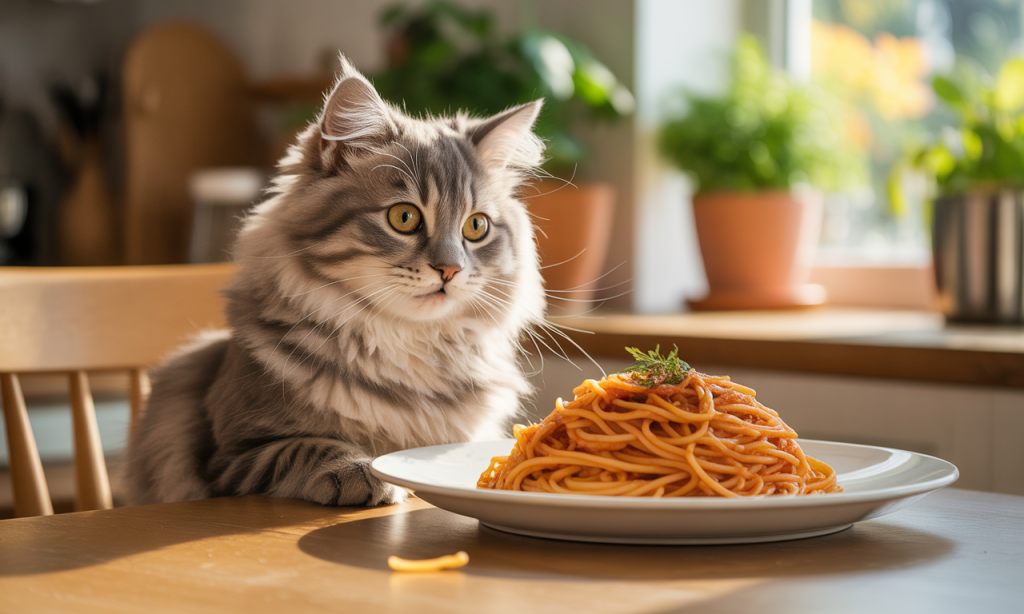
In many households, the tantalizing aroma of a simmering marinara or buttered noodles often draws inquisitive feline glances. A sleek tabby named Mira, for instance, couldn’t resist a stray strand of spaghetti at dinnertime, prompting her owner to wonder if that small taste could upset her delicate digestive balance. With pet nutrition evolving rapidly in 2025, more guardians scrutinize labels on brands like Purina or Hill’s Science Diet, seeking clarity on what’s truly safe for obligate carnivores. While cats may sample anything that smells intriguing, their metabolic pathways are tuned for protein, not pasta. In exploring whether plain or sauced pasta belongs on your cat’s menu, veterinarians and nutritionists emphasize a need for caution—and for understanding the difference between a harmless nibble and a potentially harmful indulgence. Let’s examine what happens from the bowl to the bowels, and discover how to keep our whiskered friends both curious and healthy.
Understanding the Nutritional Profile of Pasta vs. Feline Requirements
Pasta’s staples—refined wheat flour, water, and sometimes egg—translate into a carbohydrate-heavy dish. For humans, the slow-release starch is a source of energy; for cats, it can represent a nutritional mismatch. In a typical serving of one cup of cooked pasta, you’ll find:
- Carbohydrates: 31–43 g
- Protein: 6–8 g (plant-based, incomplete amino profile)
- Fats: less than 2 g
- Fiber: minimal
- B Vitamins: trace niacin, thiamin, folic acid
- Minerals: small amounts of iron, magnesium
In contrast, a cat’s diet should derive at least 30–40 % of calories from high-quality animal protein, rich in essential amino acids such as taurine, arginine, and methionine. These nutrients support cardiovascular health, vision, and immune function—areas where pasta simply can’t compete. Diets based on brands like Royal Canin or Natural Balance are formulated to meet these precise requirements.
Key distinctions between pasta and feline nutritional needs:
- Incomplete Protein: Plant proteins lack the full spectrum of amino acids cats must get from meat.
- High Glycemic Load: Spikes in blood glucose can occur after carbohydrate-heavy meals, potentially contributing to obesity or diabetes.
- Minimal Fat: Cats rely on certain fats (arachidonic acid, animal-based oils) absent in pasta.
Feeding pasta as a staple would be akin to expecting a cat to thrive on dog kibble. While an occasional taste might not trigger immediate harm, nutritionists warn against dietary dilution—when pasta replaces nutrient-dense meals in a cat’s bowl.
For more details on basic ingredient safety, refer to resources such as Noble Vet Clinic or CatTime’s veterinary guide. Insight into carb metabolism in felines also appears on Vet Explains Pets.
By comparing macronutrient tables and amino acid charts, it’s clear that pasta’s profile—while non-toxic—offers no real advantages to obligate carnivores. The next section explores how cats actually handle these human-centric ingredients, from digestion to potential upset.
Digestive Risks: How Cats Process Pasta and Dangerous Add-Ins
When a playful kitten bats at a fusilli perched on the edge of a plate, the visual may be amusing—but the reality of digestion is less so. A cat’s gastrointestinal tract is optimized for meat: short transit time, strong acids, specialized enzymes like proteases, and limited amylase for carb breakdown. Introducing pasta, especially with sauces, can lead to:
- Gastrointestinal Upset: Vomiting, diarrhea, or bloating from sudden carb overload.
- Pancreatitis: Rich, fatty additions—cream-based Alfredo or cheese—may inflame the pancreas.
- Obstruction Risk: Undercooked or raw pasta expands in the stomach, potentially causing blockages.
A single misstep—like feeding a kitten raw penne—can cause chew-related dental damage or even choking hazards. According to the American Society for the Prevention of Cruelty to Animals (ASPCA), small amounts of garlic or onion in marinara sauce can damage red blood cells, triggering hemolytic anemia.
- Onion and garlic toxicity: triggers oxidative damage to feline red blood cells (Onions safety).
- Dairy intolerance: many cats lack lactase, leading to gas and diarrhea (Milk safety, Ice cream safety).
- Excessive salt: can cause sodium ion poisoning in sensitive felines.
Beyond immediate upset, repeatedly feeding pasta can shift a cat’s gut microbiome, reducing beneficial bacteria essential for protein digestion. A compromised microbiome not only affects digestion but also immune health.
Summing up, while pasta itself holds minimal toxicity, the accompanying ingredients—oils, sauces, dairy—pose significant threats. Next, we’ll examine whether cats derive any pleasure or benefit from even a plain noodle.
When Plain Pasta Meets a Cat’s Palate: A Rare Treat or a Red Flag?
Surprisingly, most cats show little interest in plain noodles. Their taste buds respond to amino acids, not carbohydrates or starch. Yet, anecdotal stories—like a British Shorthair named Oliver licking up leftover spaghetti—fuel myths that felines crave pasta.
- Olfactory cues: Cats detect fats and proteins; a neutral noodle often smells bland.
- Texture preferences: Some cats may nibble on soft, slippery strands; others reject unfamiliar mouthfeel.
- Behavioral factors: Pica—non-nutritional nibbling—can indicate stress, dietary deficiencies, or boredom.
Understanding feline foraging behavior is key. When a cat paw-picks through a dinner plate, it’s usually seeking a savory sauce or tender meat bits—rarely the semolina itself. Even if your cat seems to enjoy a solitary strand, nutrition experts caution against encouraging this habit.

Consider these pointers when offering an occasional taste:
- Ensure the pasta is plain, without butter or salt.
- Limit portions to a teaspoonful at most.
- Cook thoroughly until very soft for easier digestion.
Even under these guidelines, a rare indulgence should never replace a meal from trusted brands like Blue Buffalo, Iams, or Wellness. For extra context on feline taste receptors, see PetsCare Noodles Guide or delve into The Spruce Pets for a veterinarian-reviewed breakdown.
While plain pasta may be nibbled without immediate harm, it offers negligible nutrition and risks normalizing non-meat treats. Next, let’s explore superior alternatives that satisfy a cat’s instincts and dietary needs.
Safer Alternatives and Balanced Diet Tips for Cat Owners
To honor a cat’s obligate carnivore design, consider protein-packed snacks and foods:
- Freeze-dried meat treats: Single-ingredient chicken or salmon, available from Sheba and Friskies.
- High-protein kibble: Brands like Purina Pro Plan or Hill’s Science Diet Sensitive Stomach formulas.
- Raw-fed toppers: Small portions of vet-approved raw cubes to boost amino acid intake.
- Rich wet food: Options from Natural Balance containing taurine and EPA/DHA for heart health.
Rotation feeding can prevent picky tendencies and ensure nutrient variety. Rotate between wet and dry, poultry, fish, and limited red meat over a week. For more strategies on cat-safe foods beyond pasta, explore:
Additionally, enriching mealtime through puzzle feeders—yes, even pasta puzzles—can stimulate hunting instincts without compromising diet. For comprehensive safety checks on unconventional cat foods, visit cats eat grass safety and cats safe consume garlic.
By emphasizing complete proteins, essential fatty acids, and enrichment, owners craft a menu that aligns with feline physiology—leaving pasta firmly on the human plate. Up next: guidelines if you still wish to offer a tiny, infrequent pasta treat.
Guidelines for Occasional Pasta Indulgences: Portioning, Preparation, and Precautions
Should you decide to share a moment of culinary curiosity, follow strict rules:
- Portion control: No more than 1 teaspoon of plain, thoroughly cooked pasta per month.
- No seasonings: Eliminate salt, pepper, butter, cheese, and sauces.
- Monitor reaction: Observe stools and appetite for 48 hours post-snack.
- Avoid raw shapes: Keep raw fusilli, spaghetti, or lasagna well out of reach.
- Emergency readiness: Have your veterinarian’s number handy in case of choking or blockage.
Owners report that offering cooked vermicelli once in a blue moon is usually harmless—provided the cat remains active and stool consistency stays normal. However, regular practice contradicts feline dietary wisdom. See additional veterinarian advice at PetFirst AE and DialaVet.
By strictly limiting exposure, keeping an eye on feline behavior, and prioritizing species-appropriate foods, casual pasta moments can remain harmless anecdotes instead of health hazards.
Frequently Asked Questions about Cats and Pasta
- Can cats eat pasta sauce?
No. Most sauces contain garlic, onion, cream, or salt, which can cause anemia, digestive upset, or pancreatitis. See detailed onion safety.
- Is gluten-free pasta better for cats?
Not really. Whether whole wheat or rice-based, cats gain no nutritional advantage from gluten-free carbs. Their digestive systems lack a need for plant fibers.
- What if my cat refuses high-quality cat food?
Try rotating flavors from brands like Blue Buffalo or Iams. Enrich feeding with puzzle toys or warm toppers to entice appetite.
- Can flavored cat treats replace pasta treats?
Yes. Cat-specific treats deliver flavor and satisfaction without carbohydrate overload. Opt for protein-first options, such as freeze-dried chicken.
- My cat licks leftover sauce—should I worry?
Even small tastes can add up. Stick to plain poultry broth or cat-safe toppers instead of human sauces. Always monitor for unusual lethargy or vomiting.