On this page
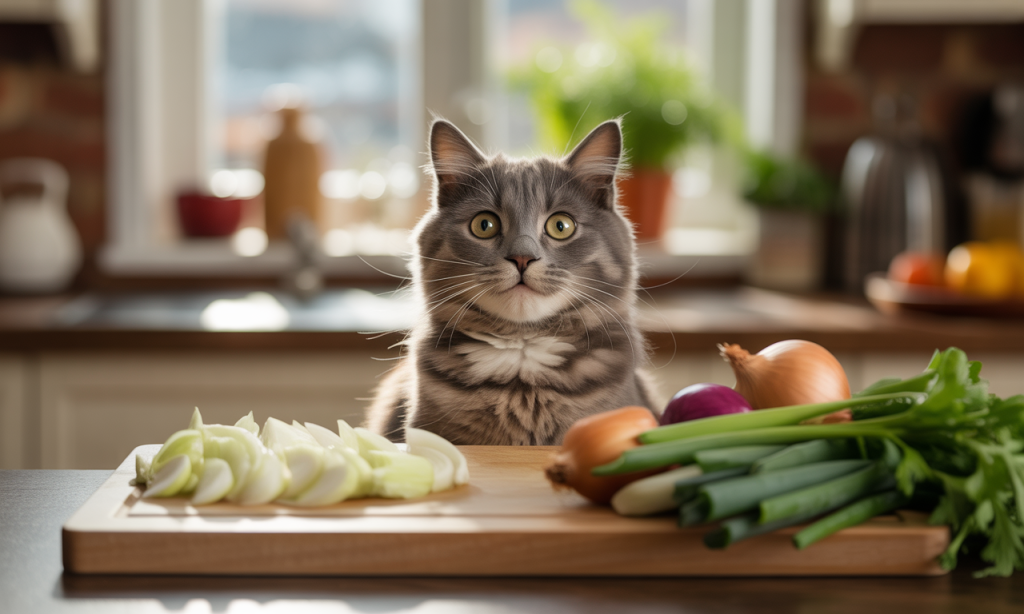
In bustling kitchens and cozy living rooms alike, the question “Is it safe for cats to consume onions?” rings louder than a dinner bell. In 2025, shelters and rescue volunteers report a surprising uptick in feline onion exposures, often traced back to distracted moments when a stray scrap falls to the floor. Despite their reputation as immune to many human foods, cats lack the metabolic pathways to process compounds found in onions and other Allium vegetables. Across clinical studies and real-world cases, one clear conclusion emerges: onions pose a serious threat to feline health. From subtle early signs—like mild drooling and appetite changes—to full-blown hemolytic anemia, understanding these risks is essential. This guide follows Oliver, a spirited tabby under the care of wildlife volunteers, as he navigates the hidden dangers of onions. Along the way, readers will discover practical prevention tips, emergency action plans, and long-term nutritional strategies. Whether you prefer Purina kibble or Royal Canin canned formulas, ensuring an onion-free environment is the first step toward safeguarding your cat’s well-being.
Understanding Onion Toxicity in Cats
Oliver, a mischievous tabby cared for at a wildlife volunteer center in 2025, once stumbled upon a sauté pan with onions left on a low bench.
The sharp scent prompted a nibble that set off alarms among staff familiar with the Allium species dangers.
Onions, along with garlic, leeks, and chives, contain N-propyl disulfide, a compound known to damage feline red blood cells.
Whether raw, boiled, powdered, or dehydrated, the toxic principle remains unchanged and poses a threat to any cat.
- Raw onion slices hidden in discarded kitchen scraps
- Cooked onion fragments in sauces or stews
- Seasonings containing onion powder or granules
- Flavored snacks with dried onion bits
Data from veterinary clinics show that even 0.5% of a cat’s body weight in onion matter can trigger anemia.
The feline metabolism lacks certain enzymes that break down these sulfur compounds, causing gradual destruction of red blood cells.
Early recognition of these biochemical effects is essential to prevent severe outcomes such as organ failure.
Veterinarians often refer to sources such as PetMD or VetExplainsPets for detailed protocols.
Understanding these root causes in this section lays groundwork for spotting symptoms in the next stage of this guide.
This insight highlights why even a moment’s curiosity around onions can have lasting consequences for a cat’s health.
Recognizing Symptoms of Onion Poisoning in Cats
When Oliver seemed quieter than usual two days after his kitchen escapade, volunteers noticed his appetite had dipped.
Onion toxicity in cats often manifests with subtle initial clues before escalating.
Common early signs include:
- Nausea and drooling
- Mild abdominal discomfort
- Restlessness or pacing without cause
As toxicity progresses, damage to red blood cells leads to anemia and oxygen deprivation.
Signs of hemolytic anemia can appear 2–5 days post-exposure and may include:
- Pale or yellowed gums and mucous membranes
- Rapid, shallow breathing
- Weakness and reluctance to move
- Dark or discolored urine
A case series published in 2023 highlighted that even small doses can trigger these responses.
Other potential indicators involve secondary organ stress:
- Elevated heart rate due to compensation for low oxygen
- Lethargy and reluctance to groom
- Poor coordination or stumbling
In severe cases, collapsing episodes or seizures may occur, underscoring the need for prompt assessment.
Veterinary staff often perform bloodwork to confirm anemia and gauge liver or kidney involvement.
Understanding these warning signals positions caregivers to act without delay.
Recognizing patterns early can dramatically improve outcomes for affected cats.
Implementing Safe Feeding Practices for Cats
Preventing onion exposure starts in the pantry and extends to kitchen habits around curious felines like Oliver.
Keeping any Allium-derived ingredient out of reach is the first line of defense.
Here are practical steps for any cat caretaker:
- Store onions, garlic, and chives in sealed containers or high shelves.
- Dispose of food scraps immediately; never leave mixing bowls unattended.
- Check labels on snacks and treats for hidden onion powder.
- Offer cat-specific treats from brands like Purina or Royal Canin instead of human leftovers.
Even low doses of onion powder in processed foods can pose risks, as highlighted by various guides such as Your Cool Home.
Substituting safe garnishes like parsley or catnip-infused blends ensures flavor without danger.
For similar precautions regarding garlic, refer to TipsForSafety.
When sharing dinner scraps, consult resources on human food safety for pets, such as TipsForSafety.
Specialty diets free of onion and garlic are available; consider Hill’s Science Diet for sensitive stomach formulas.
Avoid seasoning homemade treats with garlic or shallots; even aromatic oils can leave toxic residues.
Your cat’s curiosity may lead them to sample flavored water; ensure bowls are rinsed thoroughly to remove onion scent.
- Offer wet food exclusively from reputable lines like Blue Buffalo or Wellness.
- Always choose dry kibble approved by organizations like AAFCO; Iams and Nutro provide quality options.
- Use single-ingredient freeze-dried treats to eliminate hidden additives.
- Consult with a veterinary nutritionist before introducing bulk meal kits.
Reviewing ingredient lists can also help spot sneaky appearances of dehydrated onion in pet foods.
Embedding these practices forms a safe, onion-free environment for cats and eases caregiver peace of mind.
Emergency Response After Onion Ingestion in Cats
If a caretaker spots Oliver with onion scraps, acting swiftly is crucial to minimize harm.
First, confirm exposure by examining the type and quantity of onion consumed.
Even small fragments can suffice to trigger onion poisoning and destruction of red blood cells.
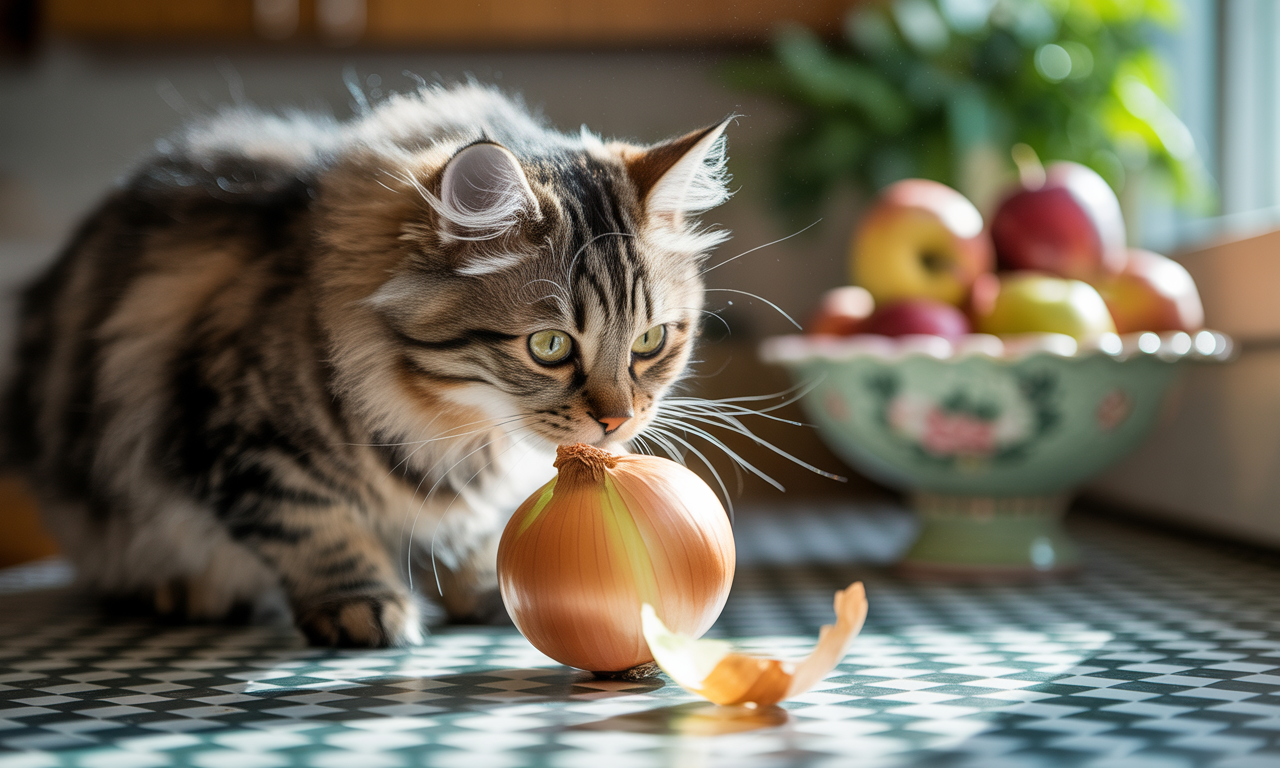
Follow these critical steps immediately:
- Remove any remaining onion from the cat’s reach.
- Call your veterinarian or an emergency clinic without delay.
- Provide details like weight, amount ingested, and time since consumption.
- Avoid inducing vomiting at home unless explicitly instructed by a professional.
Veterinary teams will often refer to protocols outlined on sites such as Catster.
If unable to visit a clinic immediately, consider online veterinary services like Ask a Vet.
Emergency assessment generally includes blood tests to evaluate anemia severity and organ function.
Fluid therapy and supportive care form the backbone of the treatment approach, often supplemented with activated charcoal.
In extreme cases, a blood transfusion may be required to restore oxygen-carrying capacity.
Case reports in 2024 emphasize that early decontamination enhances survival rates significantly.
Clear communication with veterinary staff and swift transport can mean the difference between recovery and fatality.
Preparedness and prompt action create the best chance for a positive outcome.
Long-Term Nutritional Strategies for Cats Post-Onion Exposure
Once Oliver’s bloodwork stabilized, the focus shifted to a balanced, onion-free diet for sustained wellbeing.
Incorporating nutrient-dense foods supports recovery and prevents recurrence of toxic challenges.
Consider the following dietary recommendations:
- High-protein wet foods from Fancy Feast or Sheba to appeal to finicky eaters.
- Essential fatty acid boosts via supplements when advised by a vet.
- Carbohydrate sources limited to digestible grains or vegetables safe for cats.
- Gradual introduction of new formulas to avoid gastrointestinal upset.
For sensitive felines, specialized formulas such as Friskies grain-free blends can be beneficial.
Veterinary nutritionists may suggest prescription diets devoid of all Allium derivatives.
Regular monitoring through follow-up blood tests ensures that recovery from anemia remains on track.
Transitioning between brands should always involve transparent ingredient reviews to rule out hidden onion sources.
Websites like Furgo Pet Care and CatLovesBest outline safe feeding swaps.
Maintaining hydration through wet food or added broths (onion-free) aids in metabolite clearance.
While plain bread is not toxic, exploring guidelines on feeding carbs, such as TipsForSafety, provides clarity on safe portions.
Scheduled veterinary check-ins every 3–6 months allow for early detection of any nutritional deficiencies.
Keeping a food diary, noting brands like Nutro or Wellness, can reveal patterns tied to health changes.
Understanding label terminology is crucial; look for phrases like “No Allium ingredients” to guarantee safety.
This sustained, informed approach empowers caregivers to provide optimal nutrition without onion-related risks.
Frequently Asked Questions about Cats and Onions
Can a cat safely eat a tiny piece of onion?
No amount of onion is considered safe for cats. Even a small fragment can initiate red blood cell damage, leading to anemia. Immediate veterinary consultation is advised if any onion is ingested.
Is onion powder more toxic than raw onion for cats?
Yes. Onion powder is highly concentrated, containing more sulfur compounds per gram than fresh onion. A trace of powder can be more dangerous than the same weight of raw onion.
What common household foods should I avoid besides onions?
Other Allium plants—garlic, chives, leeks, and shallots—are equally toxic. Avoid feeding pets foods seasoned with onion or garlic, and refer to reputable guides like PetMD for comprehensive lists.
How soon do symptoms appear after onion ingestion?
Initial gastrointestinal signs may show within 12–24 hours, but anemia symptoms often develop 2–5 days later. Continuous monitoring of behavior and appetite is key.
Are any Allium vegetables safe for feline consumption?
No. All plants in the Allium family contain toxic compounds for cats. Complete avoidance is the only reliable preventive measure.