On this page

In bustling veterinary clinics and cozy living rooms across 2025, a familiar scene unfolds: a cat eagerly sniffing at a saucer of milk. This image, immortalized in cartoons and vintage Whiskas ads, sparks a timeless question—is it really safe for cats to drink milk? While the notion is comforting for pet parents, modern research and real-life anecdotes challenge this custom. Certified dog trainers and wildlife volunteers note that many adult cats struggle to digest lactose, leading to digestive distress or even dehydration. Meanwhile, specialty products from Purina, Iams, and Royal Canin compete with homemade remedies, each claiming benefits for feline health. Through the story of Milo, a ginger rescue cat at Wild Paws Sanctuary, this article explores the scientific underpinnings of lactose intolerance, unveils safe alternatives, and debunks cultural myths—drawing on expert resources like Complete Cat Guide and PetMD. From kittenhood’s natural tolerance to innovative hydration strategies that embrace blue buffalo broths and ice cube “cocktails,” discover actionable insights that ensure every feline lap stays healthy and happy.
Hidden Dangers: Why Cow’s Milk Isn’t Ideal for Adult Cats
Despite enduring images of contented cats lapping fresh milk, most adult felines experience discomfort after consuming cow’s milk. As kittens, they produce the enzyme lactase to digest their mother’s milk, but this production drops sharply around eight weeks of age. Veterinarians at Vet Explains Pets and PetMD confirm that reduced lactase leads to undigested lactose fermenting in the gut. This process can trigger:
- Vomiting within 12 hours
- Diarrhea that may last over 24 hours
- Flatulence and abdominal cramps
- Dehydration from fluid loss
In a 2025 survey by The Spruce Pets, nearly 70% of cat owners reported one or more of these signs after offering a saucer of milk. Consider Fluffy’s case: normally a healthy six-year-old, she suddenly developed loose stools and gas shortly after indulging in a treat of cow’s milk. Her owner’s quick decision to consult resources like Catster prevented prolonged discomfort and a trip to the ER.
Long-Term Consequences of Regular Milk Feeding
Regular exposure to milk doesn’t just cause short-term upset. Over time, repeated bouts of mild diarrhea can hinder nutrient absorption, potentially leading to:
- Weight loss despite normal appetite
- Nutritional deficiencies affecting skin and coat
- Increased susceptibility to urinary tract issues
Obesity is another concern as cow’s milk contains up to 3.5% fat—excess calories contributing to weight gain in indoor cats. Even brands like Friskies and Fancy Feast design treats with careful nutritional balance, but milk remains unregulated unless labeled “lactose-free.” Ultimately, the risks outweigh the nostalgic appeal of popcorn-laden kitchen scenes. Before pouring a second saucerful, remember: adult cats are generally better off sticking to water and species-specific foods to maintain optimal health.

The reality of gastrointestinal upset represents a harsh departure from those idyllic milk-and-cat cartoons—an insight every caregiver must heed.
Lactose Intolerance in Cats: Signs, Causes, and Solutions
Lactose intolerance, common in humans, extends to most adult cats. When lactase dwindles, undigested lactose remains in the small intestine, drawing water across the intestinal wall. This results in watery stools and cramping. Bacteria then ferment the sugar, producing gas and further discomfort. Veterinary studies, such as one highlighted on Hepper, estimate that up to 90% of adult cats exhibit some sensitivity.
Recognizing the Symptoms Early
- Soft or liquid stools appearing 4–12 hours post-consumption
- Abdominal rumbling or noticeable gas
- Avoidance of water bowls due to belly discomfort
- Lethargy or decreased playfulness following milk intake
Take Luna, for instance: after sharing a friend’s bowl of latte, she spent the afternoon hiding under the couch. Observant foster carers referred to guidelines on The Spruce Pets and introduced lactase supplements before offering small taster portions. Within weeks, Luna’s owners learned to safely provide milk alternatives that didn’t trigger distress.
Addressing lactose intolerance involves:
- Testing small amounts under supervision
- Introducing lactase enzyme drops for occasional treats
- Substituting with lactose-free cat milk from brands like Purina or Royal Canin
Though a few cats retain enough lactase to handle dairy, most benefit from tailored solutions. Lactase supplements, available online, follow a similar safety rubric to vegan omega-3 supplements for pet health—see Tips for Safety. With proper management, lactose-intolerant felines enjoy safe, milk-like flavors without the gastrointestinal fallout.
By recognizing signs promptly and applying targeted remedies, caregivers prevent discomfort and uphold their companions’ well-being.
Alternatives to Cow’s Milk: Safe and Nutritious Options
Selecting a healthy substitute for cow’s milk ensures cats experience the creamy indulgence they love—minus the risks. Veterinarians recommend products specifically formulated for feline needs, with significantly reduced lactose (around 0.2%) and balanced fat content. Options include:
- Cat milk replacements such as PetAg KMR liquid or powder
- Commercial lactose-free “cat milk” available from Whiskas, Meow Mix, or Blue Buffalo
- Goat’s milk in limited quantities, as it contains less lactose than cow’s milk
Benefits of Specialized Cat Milk
Unlike human-grade lactose-free options, feline formulas provide:
- Appropriate protein-to-fat ratios aligned with obligate carnivore requirements
- Added vitamins such as A and D for immune health
- Minimal additives to avoid digestive irritants
Brands like Hill’s Science Diet and Iams produce variants blending these principles with palatable flavors. Senior cat wellness sites, such as Senior Cat Wellness, emphasize that only species-appropriate milk ensures kittens and adult cats receive adequate hydration and nutrition.
DIY alternatives—like a teaspoon of plain yogurt—pose uncertainties due to hidden sugars and thickeners. For precise guidance, resources such as PawPots and Cat Loves Best outline safe store-bought options. By choosing lactose-free, cat-specific milks, caregivers avoid:
- Upset stomach from thickeners or preservatives
- Unbalanced fat intake leading to obesity
- Added salts that strain kidneys
Equipped with specialized products, cats savor the creamy texture they crave without compromising digestive health.
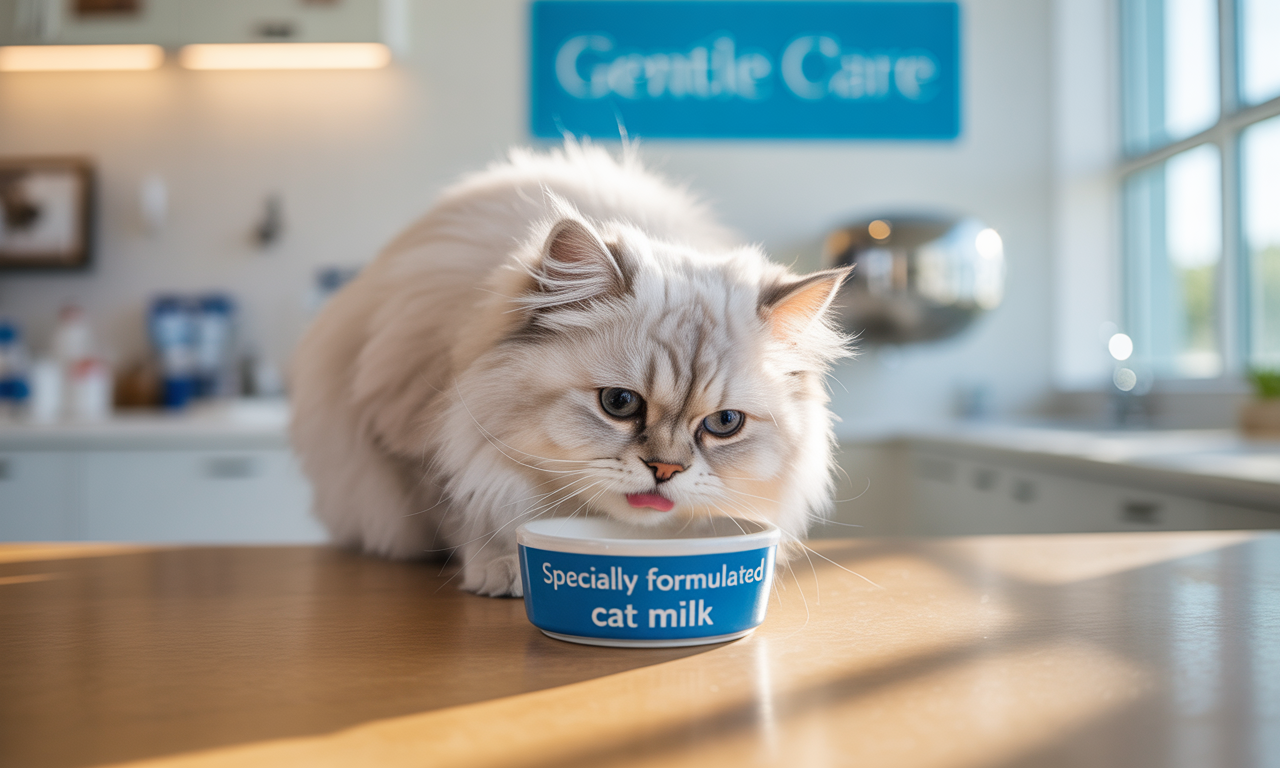
By switching to offerings designed for felines, owners nurture their pets with both taste and safety—an essential insight for any cat lover.
Hydration Strategies Beyond Milk: Creative Ideas for Keeping Cats Healthy
While cat-specific milks play a role, fresh water remains the cornerstone of feline hydration. Given cats’ propensity toward low thirst drives, innovative approaches boost intake:
- Water fountains with gentle flow and filtration
- Ice cube treats infused with chicken broth
- Broth-based “soups” using lean meat and safe ingredients
- Drip-feed taps for playful drinking sessions
Flavorful Broths and Soups
Homemade broths, simmered without onion or garlic, provide enticing flavor. After cooking lean chicken breast, caregivers strain and cool the liquid—transforming it into a hydrating treat that encourages sipping. This method draws inspiration from pediatric guidelines on fluid enrichment, akin to the Safe Babies Co-Sleeper concept of making environments irresistibly comfortable.
Cat-specific hydration toys, ice block molds, and puzzle feeders further gamify drinking. A noteworthy caution: avoid offering raw cookie dough, as uncooked eggs pose salmonella risks—just as human kitchen safety guides warn at Tips for Safety. By steering clear of hazardous foods, caregivers safeguard feline health while fostering enjoyable drinking habits.
- Encouraging water in wet food by adding 1–2 tablespoons per meal
- Rotating fountain locations to stimulate exploration
- Pairing hydration rewards with affectionate praise
Integrating variable textures and tastes not only elevates interest but also prevents urinary tract issues, a leading cause of feline veterinary visits. For guardians seeking comprehensive guidance, Vet Explains Pets provides evidence-based tips on balanced fluid intake.
By transforming mundane water into an interactive experience, cats remain vibrant, hydrated companions—an insight every caregiver can implement today.
Myth vs. Reality: Cultural Icons and Modern Research on Cats and Milk
From Bean the Cat’s breakfast cameo in 1920s silent films to viral TikTok challenges featuring Fancy Feast drizzles, milk’s feline fame endures. Yet modern studies contrast nostalgic lore with scientific caution. In 2025, cat behaviorists and pet food experts from brands like Cat Chow and Blue Buffalo underscore that association does not equal safety.
Popular Misconceptions Debunked
- Cats need milk for calcium: Balanced diets and supplements, including vegan omega-3 in vet-approved formulas, fulfill mineral needs more accurately than dairy.
- Milk soothes upset stomachs: In most adult cats, it exacerbates gastrointestinal distress rather than alleviating it.
- Ads reflect reality: Marketing by Friskies and Meow Mix aims at human nostalgia rather than feline digestive health.
Recent findings, documented on Hepper and Complete Cat Guide, reveal that up to 85% of adult cats develop lactase deficiency, challenging the enduring milk-and-cat trope. Even Royal Canin’s “kitten milk” for early-weaned felines clarifies that only maternal milk or veterinary formulas meet the precise macro- and micronutrient profiles kittens demand.
- Historical portrayal vs. clinical data
- Media-driven preferences in pet parenting
- Emerging research on feline digestive enzymes
As cultural icons fade under scientific scrutiny, pet parents armed with contemporary research craft safer feeding routines. The myth of universal feline milk tolerance finally gives way to tailored care, ensuring each whiskered friend thrives without outdated indulgences.
Frequently Asked Questions
- Can kittens drink cow’s milk? Kittens produce lactase until they are weaned, but cow’s milk lacks essential nutrients. Veterinary formulas like PetAg KMR offer balanced replacements.
- Is lactose-free human milk safe for cats? Not recommended—human formulations often include additives and sugars unsuitable for felines. Choose cat-specific lactose-free products from brands like Iams or Hill’s Science Diet.
- How much cat milk can I give my adult cat? Limit to one or two tablespoons of a lactose-free, species-specific formula per week. Monitor for any digestive changes.
- Are plant-based milks safe for cats? Almond, soy, or oat milks contain thickeners and sugars that can upset the digestive tract, so avoid sharing these beverages.
- What should I do if my cat accidentally drinks milk? Watch for signs of diarrhea or vomiting over the next 12–24 hours. Offer extra fresh water and consult your veterinarian if symptoms persist beyond a day.