On this page
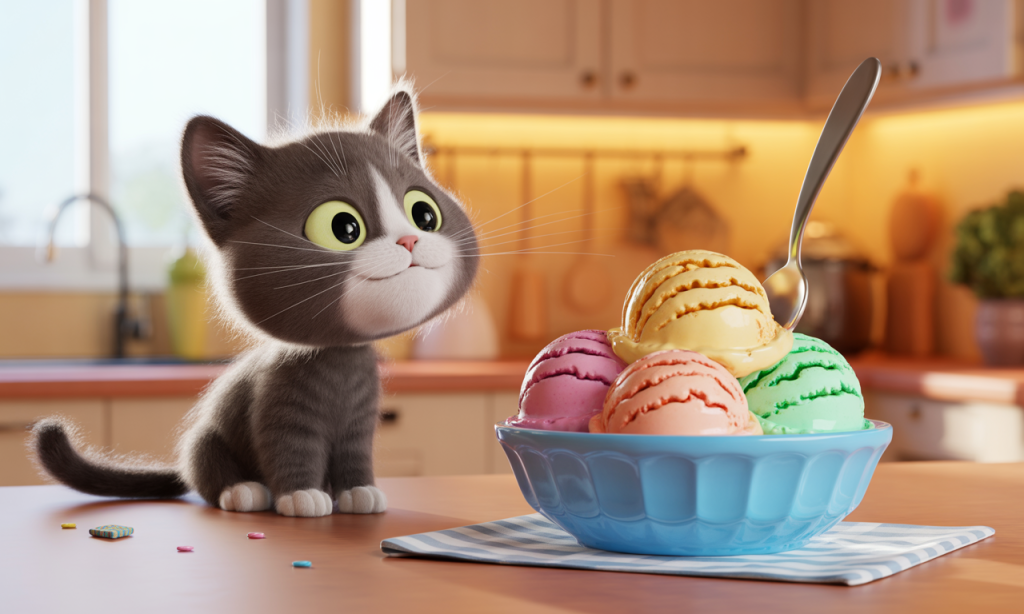
Ice cream drifting in the summer heat can be irresistible not only to humans but to curious cats prowling around for a taste. Between viral videos and kitchen mishaps, feline friends often find themselves dipping a paw or tongue into melting scoops of vanilla or strawberry. Yet, while this scene may melt hearts online, it also raises questions about safety and hidden risks. From lactose intolerance to toxic flavorings like chocolate or xylitol, sharing a frozen dessert with a cat can lead to tummy trouble, dehydration, or even more serious complications.
Veterinarians and pet nutrition experts consistently advise caution, recommending specialized feline treats as safer alternatives. While brands like Purina, Whiskas or Hill’s Science Diet offer lickable snacks designed for sensitive stomachs, DIY frozen tuna cubes and unsweetened broth pops deliver that chilly thrill without the worry. This article unpacks why cats chase ice cream, the science behind their reactions, and how to offer cool summer indulgences without endangering your beloved companion.
Why Do Cats Get Drawn to Ice Cream? Viral Curiosity Explained
The combination of cool temperature and creamy texture makes ice cream a magnet for most feline noses. Cats, though obligate carnivores, still possess taste receptors for fats and salts, and melting dairy presents a novel experience—especially when a scoop tumbles onto the floor. Social media platforms brim with #catsicle moments, fueling the idea that ice cream is a harmless treat. Yet the very elements that attract them can pose digestive hazards.
- Temperature contrast: Cats may seek relief from heat, finding frozen foods soothing.
- Fatty aroma: Rich fats in dairy attract strong noses, leading felines to investigate.
- Playful exploration: A melting scoop invites pawing, licking, and unexpected spills.
- Human mimicry: Observing owners enjoy ice cream encourages cats to join in.
- Online trends: Viral videos on TikTok, Instagram, and YouTube inspire real-life reenactments.
Despite the cuteness factor, veterinarians warn against replicating viral trends without understanding the risks. As a quick refresher on milk products, exploring posts on cats drinking milk shows many sour experiences. For a deeper dive into feline ice-cream fascination, the piece on Dialavet unpacks viral pitstops and vet insights.
Insight: The adorable spectacle of a cat sampling ice cream on camera can be misleading—what looks like harmless fun might trigger digestive upset or more serious trouble.
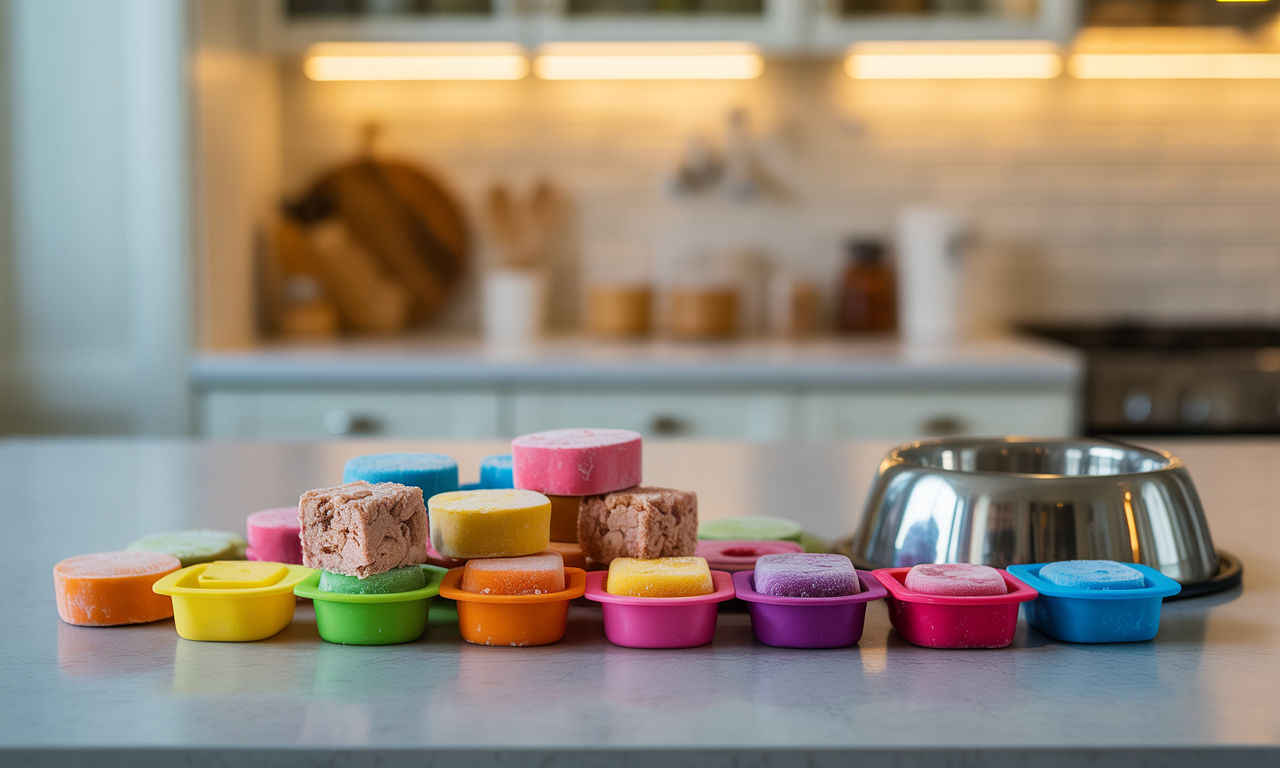
Understanding the Risks: Can Cats Eat Ice Cream Safely?
At first glance, sharing a spoonful of vanilla ice cream seems innocuous, but feline physiology tells another story. Most adult cats produce minimal lactase, the enzyme needed to digest lactose. When lactose remains unbroken in the gut, it can ferment and cause:
- Diarrhea: Irritation of the intestinal lining leads to loose stools and dehydration.
- Vomiting: Excess fluid in the stomach provokes expulsion of contents.
- Bloating: Gas buildup can distress and pain cats.
- Pancreatitis risk: High fat content may inflame the pancreas over time.
- Toxic flavorings: Chocolate, coffee, or xylitol flavors pose severe poisoning threats.
Beyond lactose, common ice cream add-ins like nuts or raisins can be hazardous. For more on seemingly innocent ingredients, check out the guide on cats eating avocado or warnings about grapes. The vet-reviewed article at Great Pet Care emphasizes that even small tastes can upset a cat’s biology.
Insight: The human appeal of ice cream clashes with feline digestive limits—knowing the ingredients and their effects helps keep whiskered pals safe.
Consequences of Cats Eating Ice Cream: From Upset Tummy to Serious Illness
When a cat licks ice cream, the short-term aftermath ranges from mild discomfort to alarming symptoms. Common reactions include:
- Loose stools: Diarrhea often arrives within hours of ingestion.
- Vomiting: Frequent retching can lead to dehydration.
- Gas and discomfort: Painful bloating may cause hiding behavior.
- Inappetence: Loss of appetite can follow the gastrointestinal upset.
- Dermatitis: Some cats develop skin irritation from licking sugary residue.
For extended or repeated exposure, long-term issues may include weight gain, diabetes, and dental decay. Sticky sugars cling to teeth, fostering bacterial colonies and tartar. Read about a case study at Hepper, where chronic indulgence led to pancreatitis in a five-year-old domestic shorthair. Similarly, nutritional experts at LoveYourCat highlight how repeated sugar spikes strain insulin response.
Veterinary authorities also caution about secondary hazards—cats compensating for a tummy ache might ingest non-food items like plastic film, as outlined in tipsforsafety.com. Monitoring and prompt intervention can prevent a minor episode from escalating.
Insight: Short-lived diarrhea or vomiting can signal deeper issues—limit exposure to dairy-based treats to prevent cumulative harm.
Cat-Friendly Frozen Treats: Safe Alternatives to Ice Cream
Ice cream may be off-limits, but cool snacks can still delight a feline palate. Pet nutrition brands like Purina and Friskies now offer frozen mocktails, while Hill’s Science Diet serves up chilled broths. Here’s how to keep it safe and special:
DIY Frozen Treats
- Tuna juice cubes: Drain water from a can of tuna and freeze in an ice cube tray.
- Unsweetened yogurt bites: Mix plain yogurt with low-sodium chicken broth before freezing.
- Pureed pumpkin pops: Blend pumpkin puree (no spices) with water for fiber-rich cubes.
- Bone broth sachets: Freeze diluted, vet-approved bone broth for joint health benefits.
- Catnip-infused ice: Steep catnip in hot water, cool and freeze for a playful treat.
For step-by-step recipes, the DIY guide at OwnPetz offers creative twists. Many cats prefer tastes echoing their natural diet—fish, organ meat, or bone broth.
Store-Bought Options
- Temptations Frozen Delights: Soft, fish-flavored pops made by Temptations.
- Sheba Mousse Ice Cream: Low-lactose feline mousse from Sheba.
- Meow Mix Cool Treats: Grain-free, fish broth cubes designed for hydration.
- Royal Canin Chilled Broth: Nutrient-balanced liquid frozen in small portions.
- Halo Grain-Free Frozen Yogurt: Cultured with live probiotics and no added sugar.
Before purchasing, verify ingredients and follow serving suggestions to avoid sudden diet changes. Pet stores and online shops stock these at reasonable prices—no vet trip required.
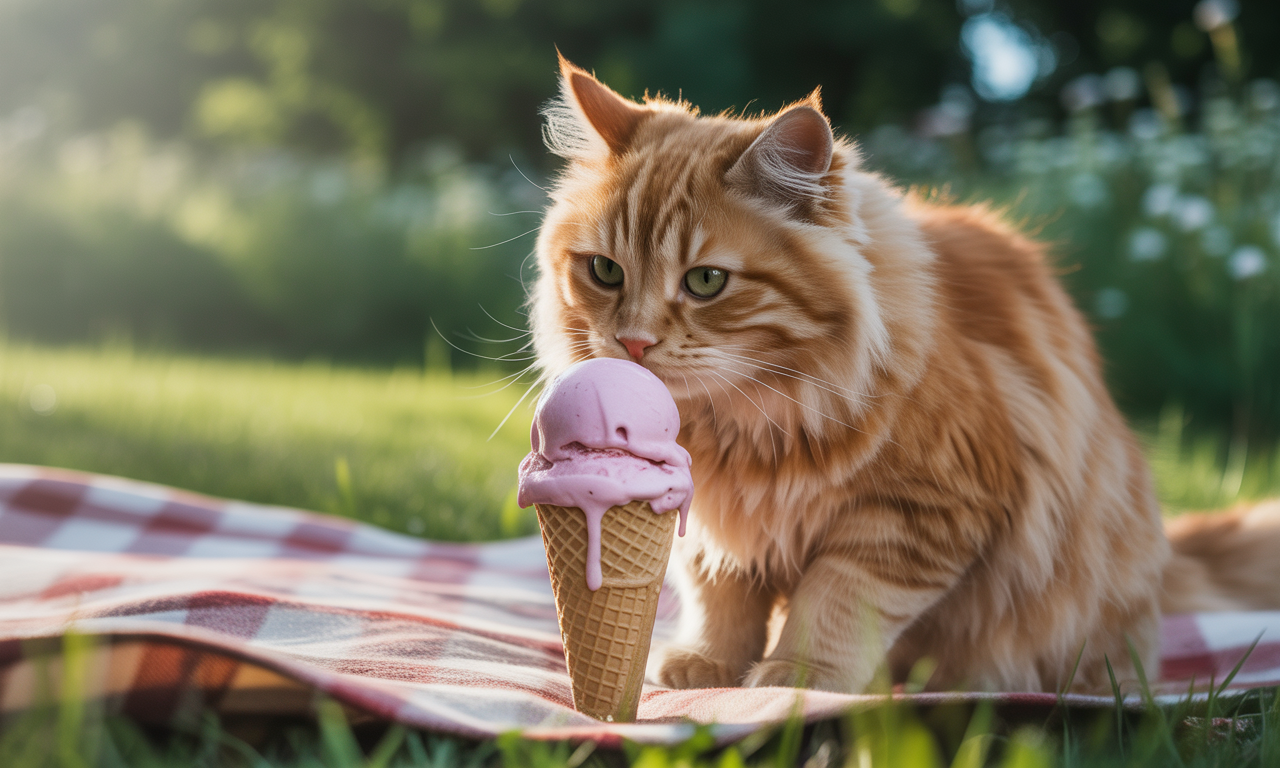
Insight: Chilled tuna cubes and broth pops combine the thrill of cold texture with safe, nutritious ingredients—no dairy drama required.
Special Cases: Kittens, Senior Cats, and Frozen Delights
Cats in life’s early and late stages require extra care. Nutritional tolerance shifts dramatically from kittenhood through senior years:
- Kittens: Immature digestive systems struggle with dairy; stick to kitten-formula nutrition.
- Growing bones: Calcium from dairy seems tempting but risks bone malformation if overdosed.
- Seniors: Reduced enzyme production heightens lactose intolerance; cold may aggravate arthritis.
- Health issues: Diabetic or kidney-compromised cats need sugar- and phosphorus-free options.
- Dental sensitivity: Hard frozen surfaces can chill gums and weaken enamel in elderly felines.
Owners of kittens should heed warnings on pet sites like VetExplainsPets, which outline age-specific advice. For older cats, resources at BestPetsFood discuss safe indulgences that ease joint discomfort without upsetting fragile stomachs.
Whether introducing a new treat to a kitten or comforting a senior companion, always observe reactions. Offer minuscule bites initially, then adjust portion size. This cautious approach ensures frozen treats become a moment of joy, not a vet visit.
Insight: From playful kitten bites to gentle senior sips, frozen alternatives tailored to age and health needs keep cold treats safe throughout a cat’s life.
Frequently Asked Questions
Can cats have a small lick of vanilla ice cream? Even tiny tastes can provoke lactose intolerance reactions. It’s safer to offer water-based or broth-based alternatives.
What if my cat accidentally eats ice cream? Monitor for vomiting or diarrhea. Offer fresh water and contact your vet if symptoms worsen or persist.
Are dairy-free ice creams better for cats? Most dairy-free human ice creams still contain sugars, fats, or sweeteners like xylitol—avoid sharing these as well.
How can I cool my cat down safely in summer? Provide chilled tuna cubes, frozen broth pops, or damp cool cloths. Limit direct ice contact to prevent tooth sensitivity.
Which commercial brands offer cat-safe frozen treats? Look for feline-specific products from Purina, Whiskas, Blue Buffalo, Royal Canin, and Halo—all designed without lactose or harmful additives.