On this page
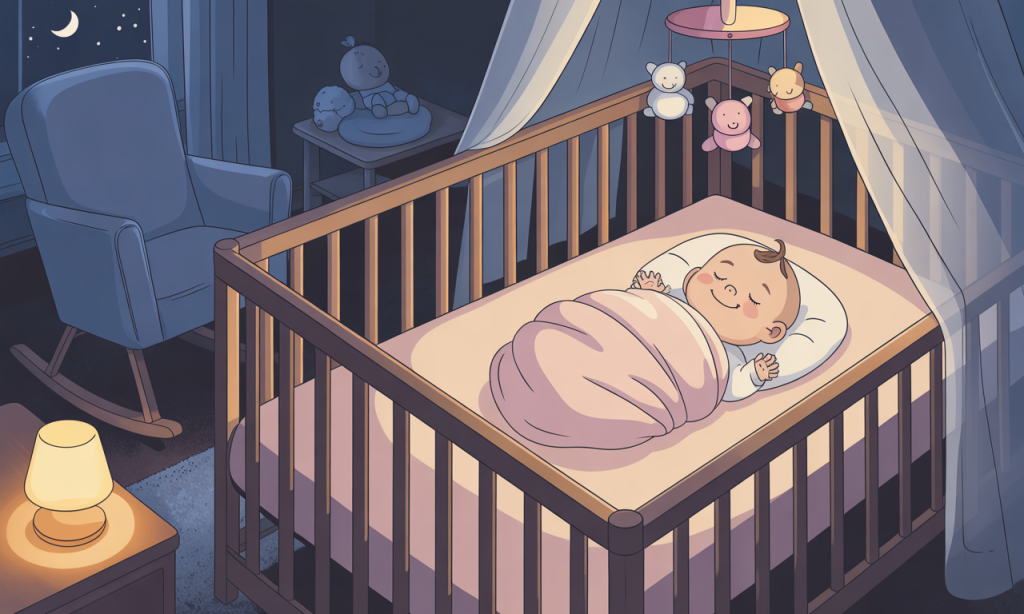
Navigating the question “Is it safe for babies to sleep through the night?” brings relief and caution in equal measure. Parents juggle exhaustion with worry: can an uninterrupted stretch of sleep mask hidden risks? In bustling households of 2025, innovations like Owlet monitors and Nanit cameras promise peace of mind, yet guidelines from authorities such as the American Academy of Pediatrics remain the cornerstone of infant safety. Evidence shows that while most full-term infants manage six to eight hours of uninterrupted rest by six months, individual variability abounds—some infants hit that milestone as early as 10–12 weeks, others may not until toddlerhood. Beyond age, factors like self-soothing ability, feeding patterns, and sleep environment determine healthy consolidation of night sleep. This exploration delves into evolving research, practical tips—from optimal room temperature to safe swaddling—and the pros and cons of sleep training methods such as the Cry-it-Out or Ferber approaches. Linking to trusted sources (NHS, WebMD, BabyCenter) and specialized safety advice (TipsForSafety.com), each section illuminates elements of risk, share real-life anecdotes of families like the Millers, and offers authoritative insights. By the end, caregivers will feel empowered to create a nurturing, compliant, and reassuring nighttime routine—striking the balance between restful slumber and unwavering safety.
Understanding Safe Infant Sleep Cycles and Nighttime Risks
Infants develop their own sleep architecture over the first months, shifting from fragmented naps to the coveted six to eight hours of uninterrupted sleep. Understanding these cycles is crucial. A survey of new parents in 2025 found that nearly 70% relied on wearable devices like Owlet for heartbeat and oxygen monitoring during overnight stretches.
Yet reliance on gadgets cannot replace adherence to established safety standards. The American Academy of Pediatrics emphasizes placing babies on their backs, free of loose bedding or soft toys. This aligns with guidance from BabyCenter (when can my baby sleep through the night) and WebMD’s nighttime routines (WebMD Nighttime).
- Positioning: Always on the back, never on the side or stomach.
- Surface: Firm, safety-approved crib mattress—avoid sofas or adult beds.
- Clutter-free: No pillows, bumpers, quilts, or stuffed animals.
- Room-sharing: Crib in caregivers’ room for at least six months, without bed-sharing.
Families often ask: what about smart swaddling? Products like SwaddleMe and Halo Sleep sacks reduce startle reflexes safely, but over-wrapping can risk overheating. For in-depth tips on swaddling safety, visit TipsForSafety.com (swaddling-safety-babies).
Consider the Millers, who transitioned baby Ava from a Graco Pack ’n Play to a Babyletto crib. They noticed improved breathing patterns and fewer night wake-ups after removing plush toys and using a Philips Avent breathable sleep sack. While tech like Hatch Baby sound machines adds comfort, nothing subs in for a clear, safe sleep zone. Proper positioning and minimal clutter remain the bedrock of risk reduction.
Key insight: A fortified understanding of infant sleep cycles, paired with strict adherence to positioning and environment guidelines, lays the foundation for safe, uninterrupted nights.
Creating the Ideal Sleep Environment for Overnight Safety
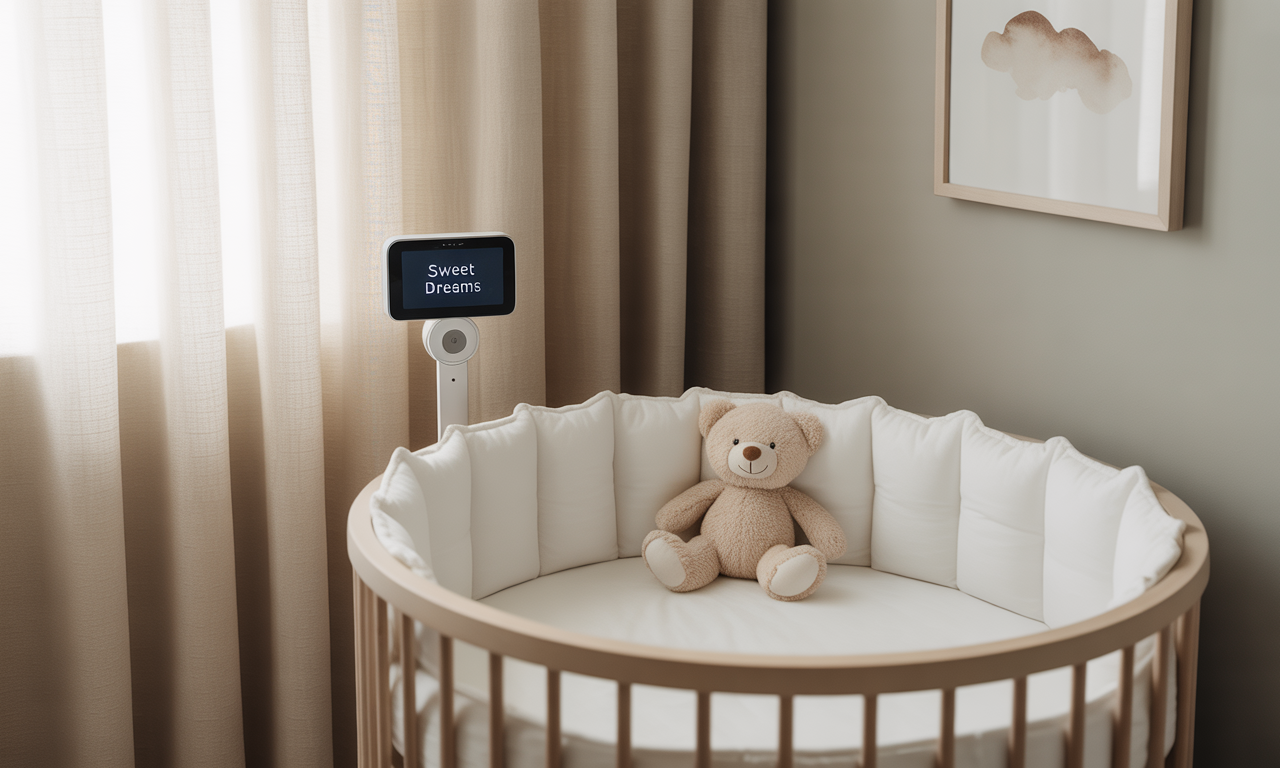
Crafting an environment that promotes restorative sleep while prioritizing safety requires attention to temperature, lighting, and sensory input. Studies in 2025 highlight that a room maintained between 68°F and 72°F supports melatonin production, reinforcing natural circadian rhythms. Brands such as Halo Sleep and Fisher-Price offer smart monitors that track room temperature and humidity, but caregivers must still verify conditions manually.
Darkness is a powerful sleep cue. Exposure to even dim light can reduce melatonin levels by up to 95%. To create optimal darkness:
- Install blackout curtains to block streetlights or early dawn.
- Use a low-lumen night light only if necessary for quick checks.
- Incorporate a Hatch Baby Rest sound machine for womb-like white noise.
Ventilation matters too. Adequate airflow prevents overheating, a known risk factor for SIDS. Parents can consult guidelines on humidifier safety and fan safety to avoid excess humidity or chilling drafts.
Experts at the NHS recommend maintaining calm during nighttime feedings and diaper changes to reinforce the notion that night equals sleep (Helping your baby to sleep). The Millers share that dimmed lighting and soft voices helped baby Owen return to slumber more quickly after 3 a.m. wakings.
- Room Layout: Keep crib away from windows, blinds, and cords.
- Sound Management: A constant white noise level of 50–60 dB masks household sounds.
- Air Quality: Use air-purifier or dehumidifier safely—see safe dehumidifier use.
While innovative gear like the Nanit Pro camera provides breathing motion alerts, nothing replaces a clutter-free, temperature-controlled space. Join thousands of families in 2025 who report more consistent sleep when environment tweaks are paired with a solid routine.
Key insight: A meticulously controlled sleep environment—dark, calm, and properly ventilated—acts as the cornerstone of safe and restful overnight sleep.

Sleep Training Methods and Safety Considerations
When babies reach four to six months, many families consider sleep training. The goal is to foster self-soothing behaviors, encouraging infants to fall asleep independently rather than relying on rocking or feeding. Common strategies include:
- Cry-it-Out (Extinction): Putting the baby down awake and allowing them to cry until they fall asleep.
- Ferber Method (Graduated Extinction): Timed check-ins to soothe without picking up, increasingly spaced over nights.
- Bedtime Fading: Aligning bedtime with natural sleep cues and gradually advancing it earlier.
Each approach carries emotional weight; caregivers should select a method they can implement consistently. Research accessed via WhatToExpect (sleeping through the night) underscores that consistency is paramount—frequent switches between techniques can prolong sleep challenges.
Sleep training tech also evolves. Graco’s smart bassinets can gently rock when infant motion is detected, bridging the gap between caregiver response and self-soothing practice. Similarly, Fisher-Price Sense-to-Sleep units monitor breathing patterns without invasive wearables.
Key safety considerations:
- Avoid sleep training before four months—immature neurology may not support independent sleep.
- Ensure sleepwear is appropriate for room temperature and free of loose blankets.
- Monitor for reflux—infants with reflux often need upright holding after feeds. Consult with pediatricians.
The Millers trialed bedtime fading for their son Leo. By shifting his bedtime 15 minutes earlier every three nights, they observed less crying and smoother transitions. Tools like Hatch Baby and Philips Avent baby soothers reinforced a consistent routine without overstimulation.
Key insight: Thoughtful selection and consistent application of sleep training methods pave the way for safe, independent nighttime rest.
Managing Sleep Regressions and Transitional Phases Safely
Sleep regressions—temporary periods of disrupted rest—often coincide with developmental leaps at roughly 4, 6, 8–10, 12, and 18 months. Knowing how to respond without compromising safety or consistency is essential. Typical signs include:
- Increased night wakings or early-morning rising.
- Fussiness at bedtime or refusals to nap.
- Clinging or separation anxiety in the crib.
When regression strikes, maintain the consistent bedtime routine established earlier. Offer extra comfort but refrain from starting new sleep props, which can derail self-soothing progress.
Guidelines from HealthyChildren.org stress limiting changes to environment or core practices (Sleeping Through the Night). The Millers noticed that during 8-month teething, their daughter Mia slept best when given a chilled teether and her familiar SwaddleMe wrap, rather than transitioning to a blanket too soon.
Safety reminders:
- Keep sleep spaces consistent—avoid moving crib location or switching to a toddler bed during regressions.
- Use only age-appropriate sleep aids; for instance, Babyletto breathable bumpers may help with transition without excess padding.
- Avoid introducing pillows or blankets prematurely—refer to safe tucked blanket guidelines.
During transitions like room-sharing to independent rooms, the monitored presence of a Nanit or Owlet device can reassure caregivers. Nevertheless, in-person checks remain invaluable—technology complements but does not replace adult vigilance.
Key insight: Navigating sleep regressions safely requires steadfast routines, judicious comfort strategies, and avoidance of disruptive environment changes.
Feeding Patterns, Growth, and Nighttime Rest Balance
An infant’s nutritional needs shape sleep patterns. In the newborn stage, expect wakings every two to four hours for feeds. By three months or when weight reaches approximately 12–13 pounds, many full-term babies can stretch to six-hour intervals (ShunChild guide). Parents aiming for consolidated nights often:
- Ensure sufficient daytime caloric intake to minimize overnight hunger.
- Offer dream feeds at 10–11 p.m. before caregiver bedtime.
- Monitor weight gain—if growth falters, revert to more frequent feeds.
Reflux can complicate sleep—infants with gastroesophageal reflux benefit from upright positioning post-feed. Consulting Mayo Clinic resources (Mayo Clinic Baby Sleep) can guide safe handling.
Technology like Philips Avent anti-colic bottles and Owlet feeding trackers helps parents gauge intake. Still, nothing replaces responsive caregiving. If a baby stirs, a calm check—patting, shushing—often signals that hunger isn’t the only reason for wakefulness.
Supplementary safety links include:
Striking the right feeding-sleep balance equips infants to achieve healthy weight gain and peaceful nights, building a foundation for toddler routines.
Key insight: Harmonizing daytime feeding strategies with overnight rest requirements underpins both growth and safe sleep consolidation.
Frequently Asked Questions
- When is it safe for a baby to sleep eight hours straight?
Most full-term infants can safely sleep 6–8 uninterrupted hours between 3 and 6 months, but individual needs vary. Consult a pediatrician if unsure. - Can I let my newborn sleep through the night?
Newborns require feeding every 2–4 hours. Letting them sleep longer risks inadequate weight gain unless cleared by a healthcare provider (ShunChild article). - Are sound machines safe for all infants?
Yes, when volume stays below 60 dB and the machine is placed at least 7 feet from the crib. For best practices, see TipsForSafety.com. - How do I know if my baby is too hot or cold?
Check their chest or back of the neck—slight warmth is okay, but sweating or cold extremities indicate adjustment needed. - Does sleep training harm attachment?
Controlled methods like the Ferber approach, when applied sensitively, do not harm bonding. Consistency and responsiveness remain key.