On this page
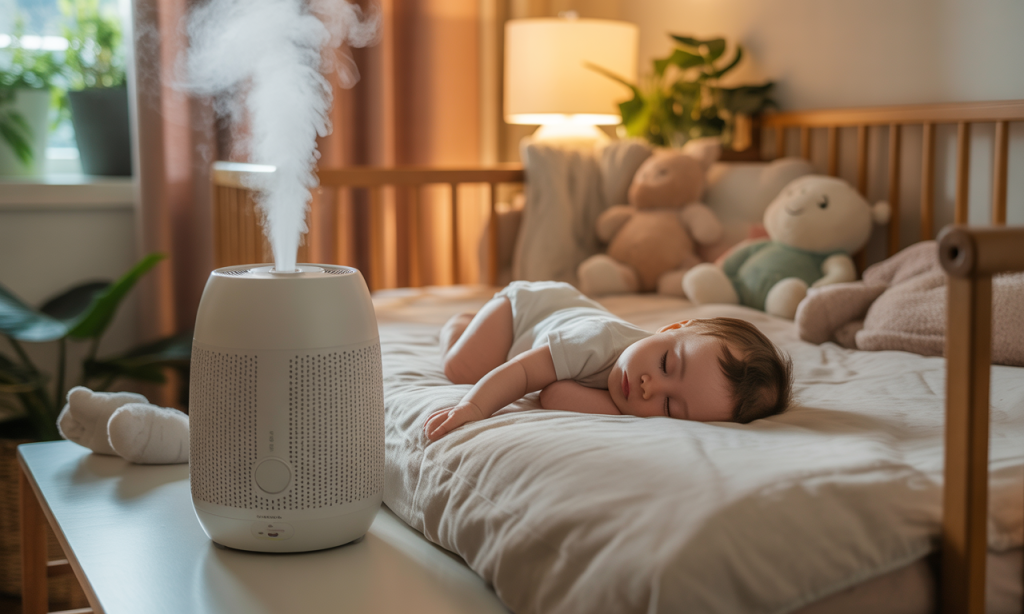
Every parent remembers the first time they tiptoed into a nursery at dawn, anxious over a restless baby beset by dry air or congestion. As households brace for changing seasons and fluctuating indoor climates in 2025, humidifiers have emerged as a popular tool promising relief for tiny throats and sensitive skin. However, navigating the maze of product claims, safety guidelines, and mixed scientific findings can leave caregivers uncertain—and sleep-deprived. This article unpacks what modern research and pediatric experts say about allowing infants to slumber alongside a humming vaporizer. It explores how optimal humidity levels support respiratory health, compares cool-mist and warm-mist models from leading brands, and details the potential pitfalls when moisture goes unchecked. With practical checklists, real-life anecdotes, and credible links—from a deep dive on The Baby Sleep Site to safety tips on parenting.firstcry.com—readers gain a clear roadmap for protecting both baby and home. Whether you’re tackling winter’s coarse indoor air or simply seeking a gentler nursery environment, here’s how to ensure that adding moisture to the nursery remains a source of comfort, not concern.
Understanding Why Humidity Matters for Infant Respiration and Comfort
Infants’ nasal passages and delicate skin thrive within a narrow humidity range. When air dips below 40% relative humidity, mucous membranes can dry out, leaving little noses irritated and eyes watering. Above 60%, moisture can condense on surfaces, encouraging mold or dust mites that trigger coughs and exacerbate asthma risk. Establishing the sweet spot—between 40% and 60%—becomes a foundational step in safeguarding baby sleep.
Parents who read an in-depth guide at The Baby Sleep Site learn how humidity directly influences nasal clearance and tear production. When mucous membranes stay supple, infants can expel irritants more easily, reducing nighttime choking or choking-like coughs.
- Improved Airway Clearance: Moist air thins secretions, cutting down on stuffiness and nasal blockages.
- Soothed Skin Barrier: Steady humidity wards off chapping, cradle cap irritation, and eczema flare-ups.
- Stable Room Temperature: Humidifiers can slightly raise perceived warmth in winter, reducing drafts that might disturb sensitive sleepers.
- Enhanced Sleep Duration: With fewer interruptions due to congestion, babies often remain in deeper sleep cycles longer.
- Milder Respiratory Responses: By avoiding extreme dryness or dampness, the nursery atmosphere supports resilient lung function.
In colder climates, forced-air heating systems can plummet indoor humidity to the teens, making every exhale feel scratchy. Conversely, tropical zones risk excessive dampness if windows stay closed. A simple hygrometer—available for under $20—delivers real-time readings, helping parents align with advice from sites like Mother & Baby.
Factoring in environmental variables—seasonal changes, home insulation quality, and heating or cooling frequency—allows families to craft a nursery climate that optimizes breathing comfort. Humidity monitoring is a small habit that yields big returns in uninterrupted rest.
Key takeaway: Maintaining 40–60% humidity fosters both clear airways and soft skin, setting the stage for peaceful infant slumber.

Comparing Cool-Mist and Warm-Mist Humidifiers: What’s Best for Babies?
Choosing between cool-mist and warm-mist humidifiers often hinges on balancing safety, convenience, and germ control. Parents exploring top picks encounter brands like Vicks and Crane offering ultrasonic cool-mist units, while Honeywell and Pure Enrichment specialize in evaporative cool-mist technology. For those who value steam’s sterilizing heat, options from TaoTronics and FridaBaby present warm-mist or vaporizers capable of dispersing menthol or essential oil blends, though experts caution against aromatic additives for infants under two.
A warm-mist model heats water to boiling, killing most bacteria before releasing steam. This can ease stuffiness effectively, but poses a burn risk if placed within reach of curious hands. Cool-mist units operate via ultrasonic vibrations or wick filters, dispersing fine particles without heat. They carry less scald danger but require meticulous cleaning to prevent microbial growth.
- Ultrasonic Cool Mist: Whisper-quiet and energy-efficient, ideal for sound-sensitive sleepers.
- Evaporative Cool Mist: Linen-style filters trap minerals, reducing white dust accumulation on furniture.
- Warm Steam Vaporizer: Offers natural disinfection of tank water but demands secure placement out of babies’ reach.
- Hybrid Models: Some Dyson and Levoit units feature both cool and warm settings, with digital controls to adjust output precisely.
- Portable Bottle-Top Designs: Brands like URPOWER deliver USB-powered misters perfect for travel or small spaces.
To compare performance and noise levels, viewers can consult product demos on YouTube. An informative overview from spring 2025 presents side-by-side tests of air output, runtime, and safety settings for nursery use.
When evaluating models, check for:
- Adjustable mist control, for tuning humidity between 40% and 60%.
- Automatic shut-off, preventing dry-run damage and overheating.
- Dishwasher-safe parts or easy wash-cycle cleaning guides.
- Quiet operation below 40 dB, safeguarding uninterrupted rest.
Families often pair a Safety 1st cool-mist model with a digital hygrometer, periodically verifying that output isn’t over-saturating the nursery. Cleaning every 48–72 hours with vinegar or a mild bleach solution preserves performance and keeps mold at bay.
Key takeaway: Cool-mist units offer safer, cooler operation for babies, while warm-mist options bring germ-killing benefits at the expense of potential scald hazards.
Evidence-Based Benefits and Potential Risks of Humidifier Use in Your Baby’s Room
Scientific studies present a mixed verdict on humidifiers’ therapeutic claims. Professor Brian Oliver of the University of Technology Sydney underscores that while devices reliably boost humidity, “there is no clinical evidence that humidifiers help babies to sleep better,” even during upper respiratory infections. His cautionary perspective—published in late 2024—urges parents to view these gadgets as environmental tools, not medical cures.
General practitioners like Dr. Pamela Douglas note that disrupted nights are par for the course when infants battle colds. Humidifiers can soothe nasal passages, but they don’t shorten illness duration. Instead, Dr. Douglas recommends optimising room ventilation over cranking up moisture levels. A recent Chinese cohort study linked poorly ventilated bedrooms to elevated pneumonia risk, reinforcing this holistic viewpoint.
- Potential Upsides:
- Eased congestion translating to fewer gasps and coughs.
- Softer skin, reducing incidences of cradle cap or eczema flair.
- Perceived warmth in colder months, making layering simpler.
- Eased congestion translating to fewer gasps and coughs.
- Softer skin, reducing incidences of cradle cap or eczema flair.
- Perceived warmth in colder months, making layering simpler.
- Identified Hazards:
- Mold and mildew growth when humidity exceeds 60%, especially against walls.
- Dust mite proliferation in over-moist environments, triggering allergic reactions or asthma flares.
- Aerosolised mineral deposits or microbes entering airways if tap water is used instead of distilled or boiled water.
- Mold and mildew growth when humidity exceeds 60%, especially against walls.
- Dust mite proliferation in over-moist environments, triggering allergic reactions or asthma flares.
- Aerosolised mineral deposits or microbes entering airways if tap water is used instead of distilled or boiled water.
- Behavioral Considerations:
- Over-reliance on air conditioning leading to chronic dryness, then overcompensation by humidifiers.
- Neglecting fresh-air breaks, which stint oxygen exchange and limit moisture control.
- Over-reliance on air conditioning leading to chronic dryness, then overcompensation by humidifiers.
- Neglecting fresh-air breaks, which stint oxygen exchange and limit moisture control.
For balanced insights, parents can review articles at ABC News and consult comprehensive safety briefings on WebMD. Both underscore that humidifiers are allies in comfort management when deployed responsibly, but no substitute for medical treatment or proper ventilation strategies.
Key takeaway: While raising humidity can relieve discomfort, it’s no cure-all—monitor moisture levels vigilantly to avoid mold, dust mites, and microbial hazards.

Essential Safety Practices for Operating Humidifiers Around Infants
Designing a safe nursery environment requires more than turning on a mist machine. To protect infants from unintended consequences, observe these critical guidelines drawn from pediatric nursing expertise:
- Placement and Distance:
- Keep humidifiers at least three feet from the crib to prevent moisture pooling directly on bedding.
- Elevate units on stable, waterproof trays—this also aids easy cleanup.
- Keep humidifiers at least three feet from the crib to prevent moisture pooling directly on bedding.
- Elevate units on stable, waterproof trays—this also aids easy cleanup.
- Water Quality:
- Use distilled or boiled-and-cooled water—tap water can aerosolise minerals and microbes.
- Avoid additives like essential oils unless supervised by a pediatric specialist.
- Use distilled or boiled-and-cooled water—tap water can aerosolise minerals and microbes.
- Avoid additives like essential oils unless supervised by a pediatric specialist.
- Regular Cleaning Schedule:
- Empty and rinse tanks daily.
- Deep-clean with vinegar or bleach solution weekly. Check manufacturer’s recommendations for Honeywell or Crane filters.
- Empty and rinse tanks daily.
- Deep-clean with vinegar or bleach solution weekly. Check manufacturer’s recommendations for Honeywell or Crane filters.
- Humidity Monitoring:
- Install a hygrometer in the nursery and aim for 40–60% relative humidity.
- Temporarily turn off the humidifier if condensation appears on windows or furniture.
- Install a hygrometer in the nursery and aim for 40–60% relative humidity.
- Temporarily turn off the humidifier if condensation appears on windows or furniture.
- Airflow and Ventilation:
- Limit air-conditioner use to necessary summer days—check tipsforsafety.com/air-conditioners-summer-safety/ for guidance.
- Run exhaust fans in adjacent rooms and crack a window when outdoor humidity is low.
- Limit air-conditioner use to necessary summer days—check tipsforsafety.com/air-conditioners-summer-safety/ for guidance.
- Run exhaust fans in adjacent rooms and crack a window when outdoor humidity is low.
- Supplementary Equipment:
- Consider pairing with a gentle sleep fan but heed safety advice to prevent drafts directly on the infant’s face.
- Explore dehumidifiers if local climate drives indoor levels above 60% for prolonged periods.
- Consider pairing with a gentle sleep fan but heed safety advice to prevent drafts directly on the infant’s face.
- Explore dehumidifiers if local climate drives indoor levels above 60% for prolonged periods.
By weaving these routines into weekly chores, families avoid common pitfalls—standing water, mold blooms, and inconsistent humidity swings. A well-maintained device functions as a silent ally, smoothing out environmental stressors that can tug awake a dozing baby.
Key takeaway: Safe humidifier usage hinges on precise placement, water hygiene, and vigilant humidity monitoring, all supported by proper nursery ventilation.
Designing a Holistic Sleep Environment Beyond Humidifiers
While humidifiers play a vital role, they represent just one element of an ideal nursery ecosystem. Integrating multiple strategies fosters balanced air quality and temperature control, ensuring infants rest deeply and safely.
- Temperature Regulation:
- Maintain room temperatures between 68°F and 72°F. Overheating or chilling can disturb sleep patterns.
- Complement with breathable swaddle or sleep sack—avoid heavy blankets.
- Maintain room temperatures between 68°F and 72°F. Overheating or chilling can disturb sleep patterns.
- Complement with breathable swaddle or sleep sack—avoid heavy blankets.
- Air Purification:
- High-efficiency particulate air (HEPA) filters keep allergens at bay, especially if pets share living spaces.
- Check this guide on infant-safe air purifiers and mask use for family members during high-pollen seasons.
- High-efficiency particulate air (HEPA) filters keep allergens at bay, especially if pets share living spaces.
- Check this guide on infant-safe air purifiers and mask use for family members during high-pollen seasons.
- Natural Ventilation:
- Open windows during mild weather. Fresh air exchange limits indoor pollutant buildup and stabilises humidity without over-reliance on gadgets.
- Install secure window guards to prevent accidental falls.
- Open windows during mild weather. Fresh air exchange limits indoor pollutant buildup and stabilises humidity without over-reliance on gadgets.
- Install secure window guards to prevent accidental falls.
- Lighting and Noise Control:
- Blackout curtains or dimmable night lights help synchronise circadian rhythms.
- White-noise machines or programmable lullabies mask disturbing household sounds.
- Blackout curtains or dimmable night lights help synchronise circadian rhythms.
- White-noise machines or programmable lullabies mask disturbing household sounds.
- Routine and Positioning:
- Consistent bedtime rituals—bath, story, soft lullaby—anchor sleep cues.
- Place babies on their backs on a firm, flat mattress, free from pillows or loose linens.
- Consistent bedtime rituals—bath, story, soft lullaby—anchor sleep cues.
- Place babies on their backs on a firm, flat mattress, free from pillows or loose linens.
Ultimately, creating an optimal nursery requires layering humidification with vigilant temperature control, clean air strategies, and calming routines. Each component harmonises, ensuring the humidifier’s mist remains a supportive—and not sole—element of baby’s slumber sanctuary.
Key takeaway: A multi-faceted approach—blending humidity, temperature, ventilation, and sleep hygiene—yields the coziest, healthiest nursery for infant rest.
Frequently Asked Questions
-
Is it safe for babies to sleep with a humidifier running all night?
When humidity stays within the recommended 40–60% range, continuous overnight use is generally safe. Always monitor levels with a hygrometer and ensure the unit auto-shuts off when water runs low. For more details on safe vaporizer use, see WebMD’s guide at webmd.com.
-
How close should a humidifier be to my baby’s crib?
Position the humidifier at least three feet away from the crib and slightly elevated. This distance prevents direct mist exposure and surface dampness. For additional placement tips, consult Parents.com.
-
Can I use essential oils or Vicks VapoSteam in my baby’s humidifier?
Most manufacturers advise against adding essential oils or Vicks blends directly in cool-mist units, due to respiratory irritation risks. Warm-mist vaporizers designed for medicated inserts may accept approved cartridges, but always check label guidance and consult a pediatrician.
-
What maintenance schedule prevents mold and bacteria growth?
Empty and dry the water tank daily, deep-clean weekly using vinegar or a mild bleach solution, and replace filters per brand instructions. Regular upkeep safeguards air quality and reduces allergen build-up.
-
Are portable USB humidifiers like URPOWER effective for nurseries?
USB-powered units are fine for small spaces or travel, but often lack the capacity for larger rooms. Use them only when you can refill and clean frequently, and measure output to ensure adequate humidity levels.