On this page
When planning a busy day or an extended weekend away, pet owners often wonder: Is it safe for cats to stay alone all day? Cats have a reputation for independence, but beneath that aloof exterior, they rely on their humans for security, social interaction, and routine. Recent studies and expert advice suggest that although cats can be left unsupervised for short periods, certain factors—age, health, environment—play a crucial role in determining how long they truly thrive solo. With new tools, from interactive toys by Catit and PawHut to calming pheromone diffusers such as Feliway, creating a safe, enriching space for feline companions has never been easier. Chewy reports a surge in demand for automated feeders by brands like PetSafe and PetFusion, reflecting pet parents’ efforts to balance busy schedules with feline well-being. Whether it’s preventing separation anxiety or simply avoiding midday mischief—like shredded curtains courtesy of a bored kitty—it’s clear that thoughtful preparation and the right gear can make all the difference. Let’s explore key insights, from ideal alone-time windows to must-have home modifications, ensuring cats feel secure, entertained, and loved, even when their humans are away.
Assessing Safe Time Frames for Cats Left Alone
Busy schedules often lead cat guardians to wonder how many hours their pet can safely manage solitude. According to veterinary sources like Hill’s Pet and PetMD, most healthy adult cats cope well with a typical eight- to ten-hour workday. However, several factors can push that limit lower:
- Age and Health: Kittens require multiple daily meals and play breaks, while senior cats might need medication and closer temperature control.
- Temperament: Social butterflies or high-energy breeds often crave more interaction, making 10–12 hours of solo time stressful.
- Previous Experiences: Rescue cats or those with past abandonment can be prone to separation anxiety, as highlighted by Hepper.
- Environment: Homes equipped with vertical spaces, safe hiding spots, and window perches by Frisco or PawHut help cats feel secure.
For many guardians, the sweet spot hovers around 8–12 hours. But if outings regularly exceed this window—say to 14 or even a full day—supplemental care becomes essential. Services from professional pet sitters or check-in apps ensure daily litter maintenance with Tidy Cats products, fresh water topped up via Whisker fountains, and play sessions that mimic human interaction.
Key considerations before extending alone time:
- Is there a trusted person to perform a midday check-in?
- Can automated feeders by PetSafe or PetFusion dispense meals reliably?
- Have potential hazards—open windows, dangling cords—been addressed?
- Is the temperature range controlled to prevent heat stroke or chill?
Arming oneself with this checklist helps guardians align expectations with feline needs. Up next: spotting the subtle signs of loneliness and separation anxiety that reveal when independence tips into stress territory.
Identifying Loneliness and Separation Anxiety in Felines
Contrary to their aloof reputation, cats form strong bonds with their humans. Research from Discover Magazine shows felines feel safer and more secure when their primary caregiver is present. Watch this overview of separation anxiety in cats:
Common indicators that a cat isn’t coping with alone time include:
- Excessive Vocalization: Persistent meowing or yowling, especially near exit points.
- House-soiling: Urination or defecation outside the litter box, often linked to stress.
- Over-grooming: Bald patches or inflamed skin from compulsive licking.
- Destructive Behaviors: Scratching doors, shredding papers, or toppling breakables.
- Appetite Changes: Skipping meals or overeating in short bursts, leading to vomiting.
Environmental triggers—like sudden noises from fireworks or thunderstorms—can intensify anxiety in felines prone to isolation stress. Before leaving home, consider guidelines on cats and fireworks safety and cats during thunderstorms. A lonely cat might pace or hide, reluctant to eat until the storm passes.
Kittens are particularly susceptible, their boundless energy translating to mischief or boredom-driven antics. Meanwhile, seniors with cognitive decline may wander aimlessly, meow at odd hours, or forget litter box locations.
- Observe behavior during a short 4–6 hour absence as a trial run.
- Note any sudden changes in behavior when returning home.
- Provide enrichment—like puzzle feeders—to reduce rumination on your absence.
Early detection of these signals allows timely interventions—be it a midday play session from a sitter or a pheromone diffuser by Feliway. Understanding feline emotional health lays the foundation for safe alone time.

Maximum Duration Cats Can Be Left Without Supervision
Digging deeper into dictums from feline behavior experts, most healthy adult cats handle up to 18–24 hours solo in an emergency scenario. Yet, routinely pushing those boundaries without support risks stress responses or even health complications. Key research from Animal Report documents that cats left beyond 24 hours without human contact show elevated cortisol levels and disrupted eating patterns.
Consider these broad guidelines:
- Up to 8 hours: Safe for most adults, provided essentials are in place.
- 8–12 hours: Acceptable for sturdy temperaments with interactive toys by Catit and scheduled check-ins.
- 12–24 hours: Only in rare cases; must include a sitter for feeding, litter changes, and play.
- Beyond 24 hours: Not recommended unless boarding at a specialized facility or enlisting multiple daily visits.
When extended stays loom—think multi-day road trips—boarding may be the safer bet. Boutique cat hotels and professional kennels often provide social group playtimes, medication administration, and climate-controlled suites. Many facilities now incorporate scratch posts from Frisco and herbal calming treats by Meowijuana, blending safety with sensory enrichment.
For those who prefer home care, hire a trust-worthy pet sitter who understands feline psychology. A professional keeps the routine intact—feeding on schedule, refreshing water fountains by Whisker, and swapping worn blankets to reinforce familiar scents.
- Assess your cat’s individual threshold with short test absences.
- Secure at least one emergency contact in case of sudden illness.
- Partner with a certified feline behavior consultant if signs of stress persist.
With these timeframes in mind, guardians can make informed decisions—balancing independence with the nurturing oversight cats need to stay safe and serene.
Preparing Your Home: Pitfalls to Avoid When Cats Are Left Solo
Before stepping out, even for a day, certain well-intentioned chores may inadvertently spike feline anxiety. Experts at Great Pet Care highlight common missteps:
- Neglecting the Litter Box: A soiled box is an immediate stressor. Arrange daily scooping or add an extra Tidy Cats unit.
- Hiding Toys: Putting away playthings leaves cats bored. Instead, scatter wand toys and interactive puzzles around their territory.
- Sealing Off Windows: Blocking views cuts off entertainment—leave a couple of shades open for birdwatching.
- Turning Off Climate Control: Extremes in temperature risk heat stroke or chill. Aim for a steady, comfortable range.
- Forgetting Background Noise: Silence can magnify loneliness. Keep a low-volume radio or nature sounds on.
- Overloading Food Bowls: Free-feeding risks overeating and spoilage. Use timed feeders or scheduled visits.
- Changing Routines: Cats crave predictability. Stick to their usual feeding and play schedule.
- Using Inappropriate Boarding: Some felines fare poorly in high-stress kennels—evaluate whether home care suits their temperament better.
- Skipping Safety Checks: Ensure cords, plants, and small objects are out of reach to prevent choking or poisoning. Consult bathing safety and brushing guidelines for grooming sessions.
- Ignoring Weather Hazards: Drafts or heat lamps can create cold or hot spots. Follow advice on cats in cold weather.
By sidestepping these pitfalls, cat guardians set their companions up for a calm, secure absence. Simple steps—clean litter boxes, enriched environments, and stable routines—go a long way toward minimizing separation stress.
Essential Supplies and Support: Toys, Sitters, and Calming Aids
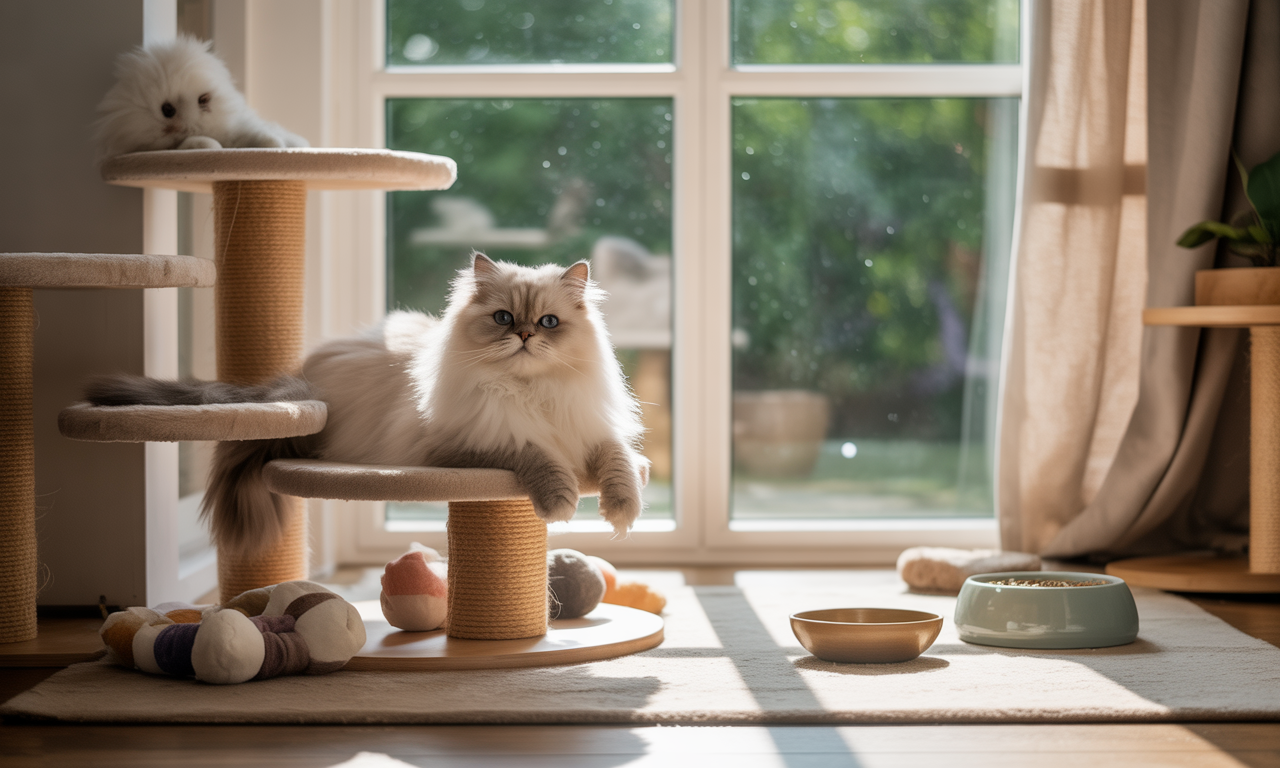
Equipping the home with the right gear transforms solo time into a mini-adventure. Top recommendations include:
- Automated Feeders: Units from PetSafe and PetFusion dispense measured meals, preventing overeating.
- Interactive Toys: Puzzle feeders by Catit and wand toys provide mental stimulation.
- Water Fountains: Flowing systems from Whisker encourage hydration.
- Pheromone Diffusers: Feliway helps create a tranquil atmosphere.
- Quality Litter: Brands like Tidy Cats control odor and clumping for fuss-free use.
- Calming Treats: Small doses of Meowijuana CBD treats can relieve mild anxiety.
Of equal importance is human support. Whether opting for a neighbor visit or a professional pet sitter, ensure they:
- Follow your cat’s routine precisely.
- Perform safety checks (plants, cords) during each visit.
- Engage in at least one play session daily.
- Provide fresh bedding and rotate familiar scents (worn T-shirts, blankets).
Booking a sitter through reputable platforms or local referrals offers peace of mind. Many guardians bundle services—daytime checks, grooming sessions, and photo updates—creating a VIP experience for their kitty. Check out real-life stories on social media:
By combining thoughtful gear, environmental enrichment, and compassionate care, cats enjoy solo time with confidence and contentment.
Frequently Asked Questions
- How long can I leave my healthy adult cat alone?
Most healthy adult cats manage 8–12 hours solo, provided they have food, water, a clean litter box, and stimulating toys.
- What signs indicate my cat is too lonely?
Look for excessive meowing, house-soiling, over-grooming, or destructive behaviors, all of which may signal separation anxiety.
- Are automated feeders safe for multiple days away?
They work well for up to 24 hours. For longer trips, arrange daily sitter visits or boarding to refresh water, clean litter, and provide interaction.
- Should I board my cat or hire a pet sitter?
Boarding suits cats needing medical care or supervised play. Otherwise, an experienced pet sitter who adheres to routines often offers a more comfortable home setting.
- Can pheromone diffusers really help?
Products like Feliway release synthetic facial pheromones that calm many cats, reducing stress-related behaviors during your absence.