On this page

As winter’s chill settles in, feline friends and their guardians face a familiar dilemma: just how cold is too cold for cats to roam freely outdoors? With average temperatures dipping below 45°F warning bells start ringing among veterinarians, wildlife volunteers, and certified trainers alike. Between street-savvy community cats hunting for refuge under abandoned cars and pampered house cats yearning for a brief adventure, the line between safety and risk can blur. Several organizations—ranging from PetSafe shelters to DIY enthusiasts crafting heated boxes—have rallied to offer inventive solutions. Brands like Purina, Hill’s Science Diet, and Royal Canin have even rolled out winter-tailored diets to help cats maintain body heat, while Tidy Cats and Whisker City provide insulated bedding options. Yet, beneath these innovations lies a simple truth: cold stress, frostbite, and hypothermia are very real concerns. Embedded in this conversation are tips from experts at Wag Walking and insights on safe temperatures at BetterPet. Whether stewarding a neighborhood colony in Frisco or securing a senior cat in an urban loft, understanding the thresholds and protocols is key.
How Cold is Too Cold for Cats to Be Outside?—Thresholds and Tolerance
Veterinarians commonly advise that when the mercury dips below 45°F, it’s time to keep most cats indoors. This guideline emerges from studies noting that below this threshold, risks of hypothermia and frostbite rise sharply. Yet not every feline reacts the same way to the cold. An outdoor-only cat acclimated to the elements in a rural setting may tolerate chillier nights than a pampered indoor pet stepping out for a quick sniff.
Key factors shaping a cat’s cold tolerance include:
- Coat Length and Density: Breeds like Maine Coons develop thick winter undercoats, while hairless Sphynx cats lack natural insulation.
- Body Composition: Young, healthy cats with a bit of extra weight can retain warmth better than lean seniors.
- Acclimation: Feral cats adapt gradually to dropping temperatures, but sudden cold snaps catch indoor cats off guard.
- Weather Conditions: Wind chill, snow accumulation, and moisture have additive cooling effects beyond the ambient temperature.
For a deeper dive into these thresholds, resources like Ask My Cats and The DodoWell offer case studies and vet-reviewed data. One feral colony in a Midwestern town relied on insulated feeding stations that raised the internal temperature by nearly 10°F, extending safe foraging hours for community cats.
Ultimately, rather than a single magic number, cold safety for cats depends on a matrix of conditions. When combining wind, humidity, and precipitation, perceived temperatures plunge. Owners in Frisco climates must be especially vigilant during icy gusts that can turn a 40°F day into a wind-chill scenario akin to the 20s.
Every cat’s comfort zone is unique—but once thermometers show single digits, outdoor ventures should be brief or supervised.
Winter Health Risks for Outdoor Cats and How to Spot Them
Stepping into winter conditions exposes cats to a suite of health threats. Hypothermia sets in when body temperature falls below 100°F, leading to lethargy, slowed breathing, and in extreme cases, coma. Frostbite—often occurring on ear tips, paws, and tails—harms tissue irreversibly if left untreated. Beyond these classic hazards, common mistakes amplify danger:
- Allowing cats to explore in wet snow or slush increases chilling. Wet fur loses 90% of its insulating properties.
- Scattered de-icing chemicals may irritate paw pads or, if licked, cause vomiting, diarrhea, or seizures.
- Ingestion of antifreeze, even in small amounts, can lead to acute kidney failure within 30 minutes. Always wipe spills promptly and store fluids safely.
- Sleeping outside on cold surfaces invites joint stiffness and aggravation of arthritis in older cats.
Experts at PetMD highlight scenarios where curious felines consume snow or ice melt, accidentally exposing themselves to toxins. Similarly, an RD article underscores the risk of cats nesting inside car engines or wheel wells, drawn by residual heat—a peril that can turn tragic if drivers remain unaware.
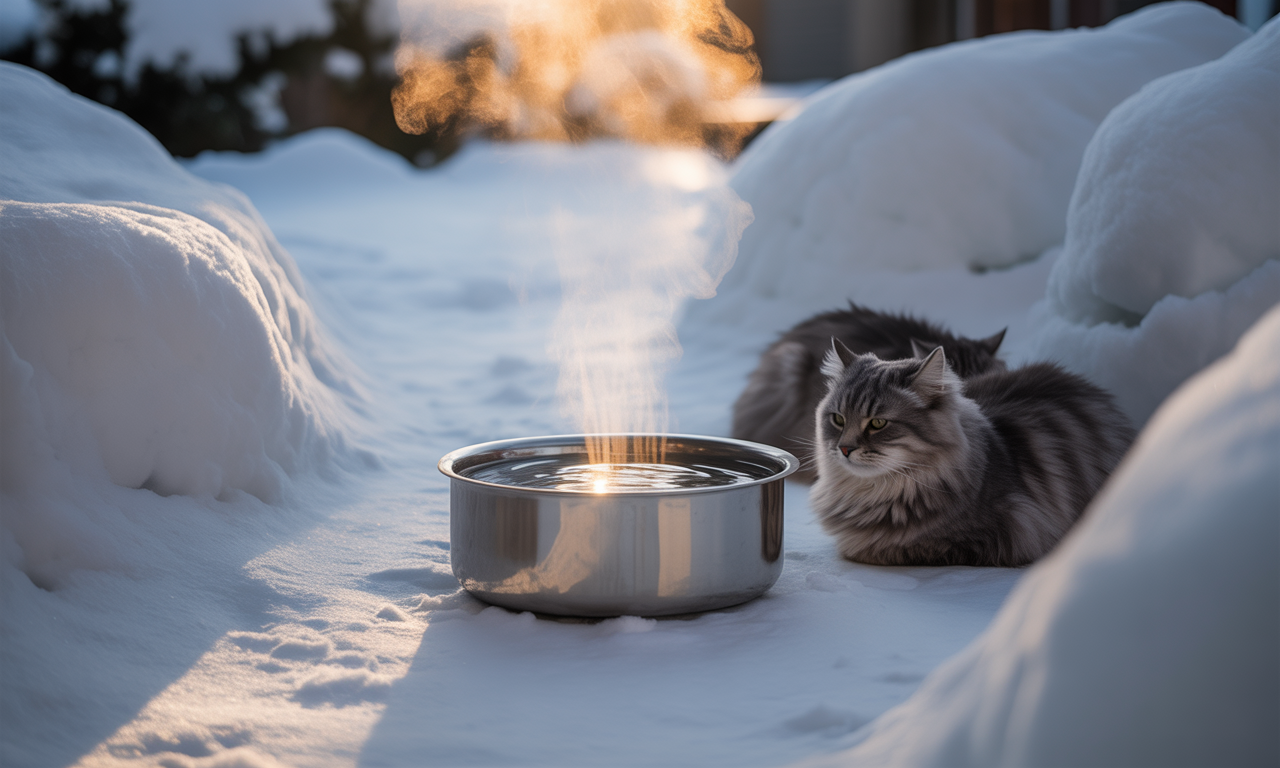
Spotting early signs of cold-related distress is crucial. Watch for:
- Shivering—A visible attempt to generate warmth through muscle activity.
- Hunched Posture—Cats curl tightly to limit exposed surface area.
- Slow Movements—Stiff joints and reluctance to walk on cold ground.
- Pale or Bluish Skin—Indicative of impaired circulation in frostbitten areas.
Implementing quick interventions—warming towels, heated pads from brands like PetSafe, or immediate indoor relocation—can prevent long-lasting damage. Regular monitoring during inclement weather campaigns is the best line of defense. Awareness and prompt action save lives.
Shelter and Warmth: Creating Safe Spaces for Cats in Freezing Weather
Providing insulated refuges can be a game-changer for outdoor and community cats alike. According to PawTracks, the ideal shelter features a small entrance to trap warmth and block drafts. Materials range from DIY tote-box designs to retail solutions by companies like Frisco and Whisker City.
Key shelter considerations
- Size and Entrance: Just large enough for a cat to turn around; minimizes heat loss.
- Insulation: Use straw, not blankets, to absorb moisture and retain air pockets for warmth.
- Elevation and Wind Block: Raised platforms and windbreaks prevent ground chill and drifting snow.
- Self-Warming Accessories: Brands such as Tidy Cats offer thermal pads that harness body heat without electricity hazards.
Building a sturdy structure begins with a plastic bin lined with weatherproof foam, topped by a sloped lid to shed snow. Community groups often repurpose shipping pallets and upcycle PetSafe heating pads to craft comfortable “winter cottages.”
Beyond shelters, strategically placed wind barriers—such as hay bales or wooden panels—can reduce wind chill by up to 60%. Some caretakers incorporate motion-activated LED lights near feeding stations to entice timid cats in low-light hours, ensuring they eat before retreating to safety.
Urban dwellers have also turned to unobtrusive “cat condos” under front-porch stairs, leveraging existing architecture to minimize exposure. For single-household cats, insulated igloo beds from Wellness brands or Thermo-Kitty self-heating mats offer cozy retreats when shortened daylight leaves cats seeking warmth indoors.
A well-insulated, properly positioned shelter transforms winter from a seasonal threat into a manageable challenge.
Feeding and Hydration Strategies for Cats in Winter
Cold weather increases a cat’s caloric needs by up to 20% as they metabolize extra energy to stay warm. Proper nutrition and readily available water are critical components of winter preparedness. Top picks for high-calorie, nutrient-dense formulas include Purina Pro Plan, Hill’s Science Diet Winter Wellness blends, and Royal Canin’s winter coat-support recipes.
- Warm, Wet Food Mixes: Heating canned meals to 100°F enhances aroma and increases water intake.
- High-Protein Kibble: Meow Mix Nutrish Ultra-Protein or other premium brands to maintain muscle mass.
- Supplemental Treats: Freeze-dried options with omega fatty acids for skin health and insulation.
- Hydration Stations: Heated bowls or insulated containers to prevent freezing.
Case in point: a rescue colony in northern Vermont switched to heated stainless bowls and reported a 35% drop in gastrointestinal upset, as cats avoided scavenging contaminated slush. Resources like Cats.com and Reader’s Digest emphasize the importance of clean, accessible water. Elevating bowls on pallets prevents ground chill, and rotating supplies daily stops ice buildup.

To manage communal feeding sites safely, enclosures beneath porches or inside garage alcoves work well—just ensure proper ventilation. In 2025, many cat caretakers also leverage solar-powered heating solutions to maintain warmth sustainably. Consistent nutrition and hydration are the pillars of feline winter resilience.
Caring for Kittens, Seniors, and Health-Compromised Cats in Cold Weather
Certain feline populations need extra safeguards when frost arrives. Kittens lack the body mass and grooming instincts to fend off chill, while seniors and cats with arthritis face mobility and circulation challenges. Veterinary guidance from Tips for Safety highlights tailored strategies:
- Kittens: Provide incubator-like shelters with continuous low-safe heat, plus fleece-lined nests.
- Seniors: Offer orthopedic thermal beds to ease joint pain and install gentle ramps for porch access.
- Compromised Cats: Monitor thyroid or heart conditions—cold stress can exacerbate underlying issues.
- Medication and Grooming: Maintain regular comb-outs to prevent matting, which hinders natural insulation.
One community foster in Denver documented a significant drop in hypothermia cases after installing infrared-heated resting pads in kitten nurseries. Meanwhile, mobile clinics distribute “warmth kits” containing self-heating mats, small cat sweaters, and safety instructions for seniors living outdoors.
Safety protocols for vulnerable cats also include daily check-ins and emergency warming drills. Quick-access thermal pouches attached to collars can signal body heat loss when paired with mobile apps—an innovation that gained traction among pet tech startups in early 2025.
Targeted care transforms the coldest season into a period of community collaboration and feline comfort.
Frequently Asked Questions
- At what minimum temperature should cats be kept indoors?
Veterinary consensus suggests bringing cats inside when temperatures dip below 45°F to minimize risks of hypothermia and frostbite.
- Can community cats survive subzero nights?
Survival hinges on quality shelters, insulating materials, and access to food and water; improvised heated boxes and straw-filled dens often make the difference.
- Which heating options are safe for outdoor cat shelters?
Electric PetSafe heating pads, solar-powered units, and self-warming mats from Whisker City or Tidy Cats are recommended, provided weatherproofing and veterinary-safe settings are observed.
- How can I protect my senior cat from winter joint pain?
Orthopedic thermal beds, short indoor play sessions, and maintaining a warm, draft-free area near windows can ease stiffness and encourage mobility.
- What signs indicate a cat is suffering from cold-related illness?
Shivering, pale extremities, sluggish movement, and reluctance to leave shelter are red flags that require immediate warming and, if severe, veterinary attention.