On this page
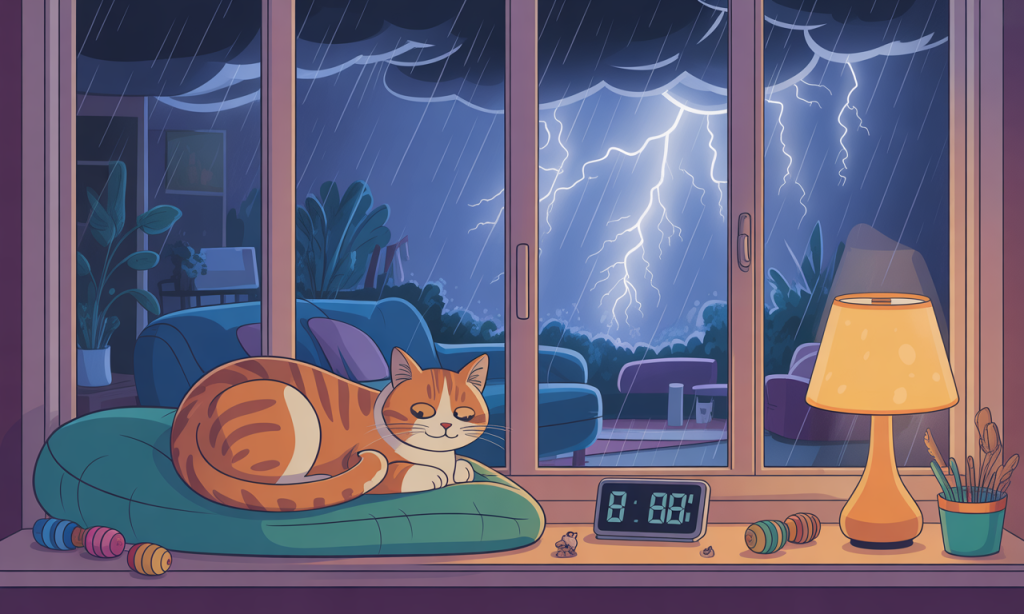
Thunderstorms stir up a frenzy of sounds and sights that can rattle even the most grounded among us, and cats are no exception. With their heightened senses and mysterious aura, cats often experience storms differently than humans do, sometimes leading to behavior that puzzles their owners. The claps of thunder, flashes of lightning, and the unpredictable rhythm of rain combined with the subtle atmospheric shifts are more than mere inconvenience; for many felines, these natural phenomena debut as sources of profound anxiety and distress. Understanding how storms affect cats is essential for providing safety and comfort during these tumultuous moments. Tonight’s dark skies paint an unsettling canvas of sound and light — a reminder that beneath their calm demeanor, cats might be struggling in silence.
The key to whether it is safe for cats to be in a thunderstorm hinges on recognizing their unique sensory world and the environment around them. Unlike dogs, who sometimes seek overt human reassurance, cats tend to retreat, hiding away and shutting out the chaos. Owners often question if this isolation is healthy or if the storm poses a real danger. Do lightning strikes threaten indoor cats? Does the stress lead to lasting health issues? The answers begin by acknowledging each cat’s temperament and anxieties related to weather phenomena. Equipping a home with calming aids like Feliway diffusers, providing cozy refuges equipped with familiar textures, or even outfitting pets with anxiety-reducing products such as the ThunderShirt might be the difference between a distressed cat and a comfortably weathering companion.
While the physical dangers of thunderstorms to an indoor cat are minimal, the psychological impact can be significant. This makes storm safety a blend of physical protection and behavioral management. Cats’ sensitive hearing, acute vision, and ability to detect tiny vibrations mean that they perceive storms more intensely than humans do. As a result, thunderstorms are among the environmental stressors that can challenge their well-being. Creating a soothing indoor environment with controlled noise levels and visual barriers transforms the experience from a terrifying ordeal into something tolerable for our feline friends. Ultimately, this topic is more than a question of safety — it’s about empathy, understanding, and the artful act of caregiving during nature’s loudest performances.
how thunderstorm environments affect cats’ natural behavior and safety
Cats possess an extraordinary sensory makeup that influences how they experience thunderstorms, affecting both their behavior and safety. Their ears can detect sounds at frequencies inaccessible to humans, which means the rumbles and claps of thunder sound deafening and overwhelming to them. Additionally, gusty winds and flashes of lightning introduce unexpected stimuli that can trigger instinctive flight responses. For many cats, a storm is an unpredictable threat, prompting hiding behaviors or agitation.
One crucial factor is the role of atmospheric and environmental cues before and during a storm. Cats’ whiskers, sensitive to changes in air pressure and static electricity, pick up signals long before the storm arrives. This early warning system can cause a buildup of anxiety even before the first drop of rain falls. Along with auditory stimuli, cats’ eyes perceive the sudden strobe-like flickering of lightning, which can be startling and cause distress.
The safety concerns for cats during thunderstorms are mostly indirect. Physically, if a cat is outdoors, they face risks such as exposure to the elements, getting lost or injured while trying to flee the storm, and dangers from output lighting strikes or fallen debris. Indoor cats are generally safe from these hazards but still endure the stress-induced physical and psychological consequences of storm-related fear. This elevated anxiety can lead to behaviors such as inappropriate elimination, excessive grooming, or aggressive tendencies – all indicators of distress that require attention.
To better manage the storm’s impact on cats’ behavior and safety, owners need to employ strategies tailored to these unique feline traits. For example, setting up dark, quiet hideaways helps satisfy the cat’s instinct to find refuge. Tools like PetSafe calming noise machines or strategically playing classical music in the background serve to mask thunderclaps that trigger stress. At the same time, simply closing windows and curtains can dramatically reduce both auditory and visual stimuli. These environmental modifications between storms and during them serve to moderate the cat’s acute sensory input and create a sanctuary of calm.
Owners also should be aware of the symptoms that identify a cat’s fear during thunderstorms, which include behaviors such as crouching, trembling, excessive meowing, or even aggression when approached. Recognizing these early signs allows for timely intervention to prevent the escalation of anxiety into a phobia. Regular monitoring and providing alternative coping mechanisms can maintain the cat’s safety and emotional wellbeing throughout tempestuous weather conditions.
- Create thick curtain-covered hideouts to block sight and sound of the storm.
- Use white noise devices or classical music to drown out thunder sounds.
- Provide familiar toys and cozy blankets inside hiding spaces to comfort cats.
- Keep outdoor cats inside during storm warnings to prevent exposure risks.
- Utilize calming pheromone diffusers like Feliway to soothe nerves.
- Observe and document cat behaviors during storms to assess anxiety levels.

how to create safe spaces and calm cats during thunderstorms
Establishing a reliable refuge where a cat can feel safe during a thunderstorm is fundamental in managing their stress. The ideal safe space mimics a quiet, dark den with limited sensory input. Locations such as basements, utility closets, bathrooms, or under furniture are perfect starting points. Including favored bedding or a blanket from trusted brands like PetFusion or Frisco ensures the cat feels reassured by familiar scents and textures.
When preparing these sanctuaries, consider controlling visual stimulation by closing windows and drawing curtains to eliminate the startling flicker of lightning. Noise control is just as essential – some cat owners report great success introducing background audio such as calm classical music or specific tracks designed to mask thunder sounds. Devices like PetSafe‘s sound machines or radio stations playing soft talk programs work well without overwhelming the cat, provided the volume remains moderate.
Timing and gradual acclimatization are key. Starting background noise before the storm arrives allows the cat to associate these sounds with calm, preventing sudden sensory overload. Likewise, placing treats or puzzle feeders, including interactive toys such as those from Catit or Mighty Paw, within the safe space can distract and engage a cat’s mind and keep anxious energy at bay.
Play serves as both a distraction and a stress reliever. Engaging cats with laser pointers or feather toys before or during storms can expend nervous energy, helping them to relax. Owners should monitor their cats’ preferences carefully, as some cats prefer solitude to interaction during stressful events.
Finally, owners should respect the cat’s choice to retreat and avoid forcing them out of their hiding place. This respectful approach fosters trust and reassures the cat that their response is understood and accepted.
- Designate a dark, quiet room such as a closet or basement as a safe haven during storms.
- Equip the safe space with familiar blankets, beds, and toys that provide comfort.
- Use calming sound devices or soft music to mask external thunderclaps.
- Incorporate puzzle feeders or treat-dispensing toys from Catit to distract anxious cats.
- Encourage play sessions to reduce stress and tire the cat before storms.
- Never force the cat out of its chosen hiding spot, allowing it to emerge at its own pace.
medication and alternative therapies that help cats cope with storm anxiety
While environmental adjustments significantly ease a cat’s thunderstorm anxiety, some cases require medical or alternative interventions. Discussing options with a veterinarian is crucial to tailor solutions effectively while ensuring safety. Among pharmaceuticals, anxiolytic medications prescribed selectively can regulate anxiety levels during storm seasons. Examples include long-term meds like Clomicalm (clomipramine) or Reconcile (fluoxetine) administered daily, alongside quick-acting options such as Valium (diazepam) or Xanax (alprazolam) for immediate relief.
It’s important to emphasize that sedatives like acepromazine should be avoided as they immobilize the cat without addressing anxiety itself, potentially leading to higher stress without visible signs. Instead, a veterinarian may suggest non-medical remedies, including pheromone sprays such as Feliway, known to produce calming effects by replicating feline facial pheromones, or natural supplements featuring ingredients like melatonin or flower essences (Rescue Remedy).
Alternative and holistic approaches complement conventional treatment well, offering gradual desensitization techniques. Using recorded thunder sounds at very low volumes can accustom cats over time, combined with rewarding their calm behavior, helping build positive associations. This gentle exposure method is widely supported by experts and detailed in resources from wikihow.pet.
Additional tools such as wearing anxiety-relief gear like the ThunderShirt vest are gaining popularity among pet owners and trainers. These snug-fitting garments provide gentle pressure that calms nervous systems, akin to swaddling in humans. Products from Mighty Paw offer comfort and are easy to use at home during sudden storms.
- Consult a veterinarian about anxiolytics for severe storm anxiety in cats.
- Avoid sedatives like acepromazine that only immobilize without calming anxiety.
- Use pheromone products like Feliway diffusers and sprays for natural calming effects.
- Employ holistic supplements such as melatonin or Rescue Remedy flower essences.
- Try desensitization therapy through gradual exposure to thunderstorm sounds.
- Consider anxiety-relief clothing like the ThunderShirt to provide gentle calming pressure.

recognizing and managing severe thunderstorm phobia in cats
Some cats develop thunderstorm phobia, exhibiting exaggerated fear responses that can strain their health and damage relationships with owners. This phobia can manifest in aggressive behavior such as scratching or biting, destructive habits, or prolonged hiding and refusal to eat or drink. Early identification allows owners to implement strong coping strategies and seek professional assistance.
Usually, a cat’s instinctive hiding when storms approach is natural and harmless, but when signs escalate to chronic stress or panic, consultation with a veterinary behaviorist or certified trainer becomes advisable. Medical tests may screen underlying conditions exacerbating anxiety, while behavioral approaches like training with professionals help reshape fearful responses. Clinicians often recommend multi-modal plans combining medication, environment control, and confidence-building exercises.
Behavioral trainers may introduce methods to change negative associations with storms, using positive reinforcement and controlled exposure. This progress unfolds gradually, requiring patience and close attention to signs of distress. Specialized equipment such as PetSafe interactive toys or distraction tools can redirect anxious energy productively during storms.
Owners should always maintain calm themselves during storms, as felines are keen observers of human emotions. Demonstrating tranquility, soft conversations, and gentle touch can soothe fearful cats and build trust. It is a shared effort that ensures both pet and human find peace amidst thunderous skies.
- Monitor for excessive hiding, aggression, vocalizing, and refusal to eat during storms.
- Seek veterinary evaluation to rule out underlying health issues linked to anxiety.
- Work with certified behaviorists to design and implement behavior modification programs.
- Use interactive and puzzle toys like those from PetSafe to engage anxious cats.
- Maintain your own calm demeanor to positively influence your cat’s emotional state.
- Be patient and consistent with treatment plans to reshape the cat’s response to storms.
practical everyday tips and products to keep cats safe and calm during storms
Keeping cats safe during thunderstorms involves more than shelter — it incorporates daily lifestyle habits and smart use of accessories engineered for pet comfort. The market in 2025 offers a diverse range of innovative products targeting cat anxiety around storms. Owners regularly turn to tools like Litter Genie to manage litter box hygiene in low-stress environments, minimizing one source of potential distress for skittish cats.
Investing in self-soothing gadgets and furniture plays a critical role. Brands such as Catit and PetFusion produce cozy indoor habitats and ergonomic furniture that invite cats to rest and reduce stress. Products like Pawz water sprayers can offer gentle distractions if anxiety spikes. Simple measures like ensuring access to fresh water and nutritious food help maintain overall health and resilience.
Routine is paramount. Striking a balance between active playtime and quiet moments preps a cat’s body and mind for unpredictable events. Using calming collars infused with pheromones from Feliway or the ThunderShirt anxiolytic vest during storm seasons makes a notable difference in reducing stress levels.
Communication with veterinarians and behavior experts is vital to personalize these approaches. Online sources including PetMD provide updated advice and peer-shared insights that empower owners. Keeping a veterinary-approved emergency kit on hand with medications, treats, and comforting toys supports preparedness for stormy days.
- Use calming collars and pheromone diffusers like Feliway for ongoing anxiety management.
- Incorporate interactive toys from PetSafe and puzzle feeders to engage your cat’s mind.
- Install blackout curtains and sound-absorbing window treatments to limit storm stimuli.
- Provide ergonomic and cozy furniture from brands like PetFusion and Frisco.
- Maintain indoor routine with balanced play and rest to build emotional resilience.
- Keep an emergency kit ready with medications and favorite comfort items during storm season.
frequently asked questions about cats and thunderstorm safety
- Will my cat be physically harmed by a thunderstorm indoors?
Indoor cats are generally safe from physical harm by thunderstorms. The main concern is managing their stress and anxiety during the event. - Is it better to keep my cat indoors during a storm?
Yes, keeping cats indoors during thunderstorms prevents injury or escape attempts driven by fear. It also helps minimize exposure to loud sounds and flashes. - Are calming products like Feliway and ThunderShirt effective?
Many cats respond positively to calming pheromone diffusers like Feliway and pressure vests such as the ThunderShirt, especially when combined with other coping strategies. - Can medication help if my cat has severe storm anxiety?
Veterinarian-prescribed anxiolytic medications can significantly reduce severe anxiety associated with thunderstorms. Consultation with a vet is essential before administering any drugs. - What are good ways to distract or calm my cat during a thunderstorm?
Providing interactive toys, puzzle feeders, playing soft classical music, and ensuring a quiet, dark safe space are all proven ways to help cats cope during storms.