On this page
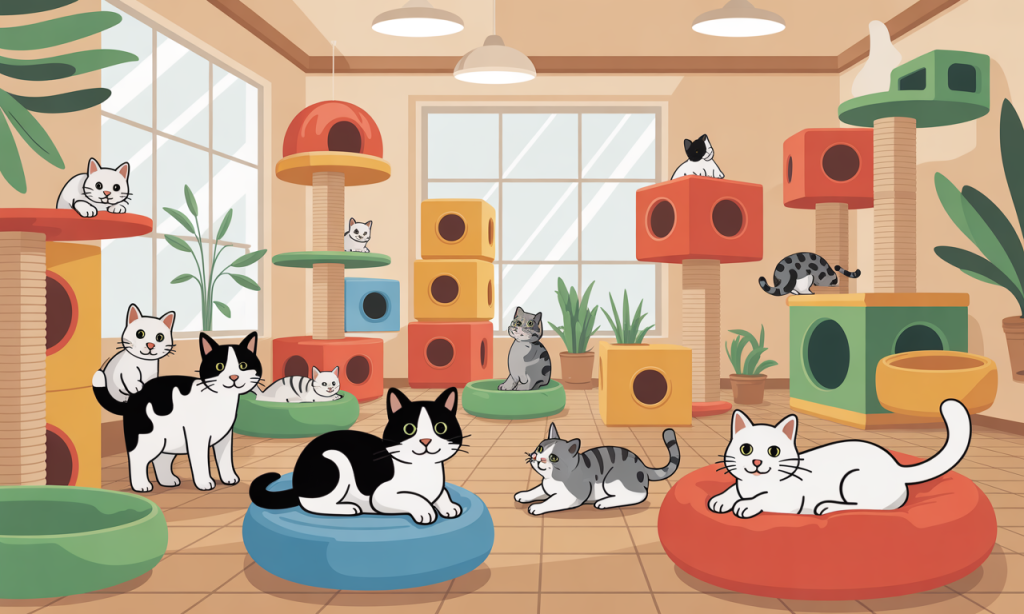
Cat owners often fret over their feline friends’ safety and well-being while away. A booming trend in 2025 is cat daycare, combining secure play areas and professional supervision. Whether juggling work calls or errands, leaving a curious kitty alone can spark anxiety for both pet and owner. With busy schedules and rising pet-care costs at PetSmart and Petco, alternative solutions have gained traction. Daycare venues now feature interactive towers from Catit and cozy nooks lined with Whiskas treats. Health-conscious facilities partner with brands like Purina and Hill’s Science Diet to craft balanced menus. Essentially, cat daycare is emerging as a convenient option to blend safety, socialization, and stimulation under one roof. Curious pet parents are tracking facility reviews at sources such as the Ultimate Guide and diving into firsthand accounts on Reddit. Across urban centers, weekend trials fill quickly, reflecting a cultural shift toward organized feline recreation. Professionals in veterinary care applaud the concept but urge thorough research. Below, explore the core dimensions that define a safe and engaging cat daycare experience without sacrificing peace of mind.
Safety Standards at Cat Daycare: Ensuring a Secure Environment
Evaluating safety protocols is the first step when considering a cat daycare facility. Owners should inspect physical barriers like secure entry systems and escape-proof fencing. Many daycares require proof of up-to-date vaccinations, including feline leukemia and rabies. This policy mirrors the strict guidelines at top-tier kennels and catteries. Staff-to-cat ratios are critical: a 1:8 ratio allows for constant supervision. Facilities often display their ratio on promotional flyers and online at Catster. Inquire about emergency exits, fire-safety drills, and whether staff holds certified pet first-aid credentials. Some daycares host quarterly safety audits by local animal welfare groups, an assurance of ongoing compliance.
Kitchen and feeding zones must be segregated to avoid cross-contamination. Premium daycares partner with nutrition brands such as Blue Buffalo and Royal Canin, offering specialized diets for sensitive stomachs. Staff should follow tailored feeding schedules, granting accommodations for cats on prescription diets. Links to sample feeding routines and ingredient lists can be found on Hill’s Science Diet resources.
Cleaning regimens in play areas significantly reduce illness transmission. Daily sanitation of litter boxes, bedding, and climbing structures is non-negotiable. High-touch surfaces receive multiple cleanings, using pet-safe disinfectants. A transparent cleaning log, displayed on-site or online, demonstrates accountability. Visitors can ask for recent log entries to confirm practices align with public health standards.
Staff training is another cornerstone of safety. Look for ongoing workshops on feline behavior, handling stressed or aggressive cats, and recognizing early signs of illness. Reputable centers schedule quarterly refreshers in collaboration with local shelters. Some even host guest lectures by veterinary professionals. This continuous education ensures team members stay abreast of the latest animal-care research.
Transportation protocols matter if the facility offers pick-up services. Secure, climate-controlled carriers prevent panic-induced injuries. Drivers should be certified in pet first aid and have contingency plans for traffic delays or breakdowns. Written transport agreements set expectations and liabilities for both parties.
Insurance and bonding add an extra layer of protection. Facilities carrying liability insurance for on-site accidents and transit mishaps protect owners from unexpected expenses. Request proof of coverage and review the policy limits. Some daycares extend coverage to include medical costs up to a predetermined cap.
When visiting a daycare, observe the overall environment: is it calm or chaotic? Cats are sensitive to noise; excessive clatter can trigger stress-related behaviors. To mirror the principles in safe baby nap environments, quiet zones with soft padding and dim lighting offer peaceful retreats. Ask whether the facility’s HVAC system maintains consistent temperatures and filters airborne allergens regularly.
- Entry Screening: Proof of vaccination and health check.
- Sanitation Logs: Displayed daily records of cleaning schedules.
- Staff Ratios: Minimum 1 supervisor for every 8 cats.
- Dietary Controls: Use of specialized brands like Wellness Pet Food and Meow Mix.
- Emergency Drills: Fire evacuation and medical emergency protocols.
Verifying these standards early sets a foundation of trust. Next, dive into the interactive perks of socialization that can turn a routine day into an enriching adventure for your cat.

Socialization Benefits: How Daycare Enriches Your Cat’s Life
Feline companionship and human interaction at daycare can transform a cat’s emotional landscape. While some cats thrive in solitude, many develop boredom-induced behaviors like scratching furniture or overgrooming. Group activities help channel pent-up energy into healthy play. At specialized centers, staff facilitate guided group sessions with interactive wands and feather toys. Socializing under supervision ensures cats learn proper boundaries and communication signals. Anecdotal evidence from facilities featured on HelloPetsInc shows a marked decrease in at-home destructiveness for regular attendees.
Structured playgroups consider color-coded temperament assessments. Cats are categorized as “cautious,” “curious,” or “confident,” then matched accordingly. This system, inspired by canine daycares, reduces conflict and boosts confidence. A curious cat might join a “moderate” group, exploring agility courses equipped with Catit tunnels and teaser toys from Catit and Whiskas. Conservative felines start in smaller pods until they acclimate.
Human interaction remains critical. Daycare staff dedicate quiet time for gentle petting, brushing sessions, or reading aloud—mimicking the soft tone used for infants in dark nap conditions. These calm one-on-one moments can help shy cats build trust. Over time, they may even purr while being stroked—evidence of genuine comfort.
- Guided Group Play: Staff-led sessions encourage healthy social skills.
- One-on-One Bonding: Scheduled quiet time to foster trust.
- Enrichment Toys: Rotating supplies from Blue Buffalo and Royal Canin.
- Adjustable Grouping: Based on individual temperament assessments.
- Behavioral Reports: Daily notes sent to owners via email or the facility’s app.
Social perks extend beyond play: regular interaction can lower cortisol levels, reducing anxiety and boosting overall health. Veterinary behaviorists have long highlighted the mental health benefits of structured social environments. The result is often a more relaxed kitty at home, ready to curl up peacefully rather than pace or vocalize stress.
As social butterflies flourish, the next step is figuring out how to pick the ideal facility. Understanding your cat’s needs and facility features will guide you to the perfect match.
Selecting the Right Cat Daycare: Key Criteria to Consider
Choosing a daycare facility can feel overwhelming with dozens of options listed on platforms like Pet Boarding and Daycare Magazine. Start by defining your priorities: proximity, budget, and service offerings. Narrow down choices with a simple spreadsheet or note app. Include columns for daily rates, included services, emergency protocols, and partner brands like Meow Mix or Wellness Pet Food. Transparent pricing reduces surprises—some centers add fees for administering medication or extended hours.
Scheduling flexibility is another factor. If your workday stretches unexpectedly, will the facility accommodate late pickups or drop-offs? Ask whether there’s a grace period and associated fees. Some centers hold your cat until you arrive, while others charge hourly increments. Linking to a resource like NoVéNews can help compare policies across multiple venues.
Touring the facility in person is non-negotiable. Observe how staff greet cats at the door and whether they evaluate each feline’s comfort level. Watch for signs of hidden slip-ups: unclean litter box corners, scratched paint indicating escape attempts, or cats appearing lethargic in play areas. A well-run daycare will invite you behind the scenes, giving access to feeding kitchens and hygiene closets.
- Budget Alignment: Compare day rates and hidden fees.
- Location Convenience: Proximity to home or workplace.
- Facility Tour: Inspect playrooms, rest zones, and sanitation areas.
- Client Feedback: Read reviews on CatsMeowWeb and local forums.
- Trial Visits: Short introductory stays to gauge fit.
Some daycares offer trial days at a discounted rate, allowing cats to acclimate without financial commitment. During a trial run, assess how quickly your cat hides or warms up. Many facilities send real-time photo updates to reassure pet parents. Others integrate this feature into their proprietary apps, letting you peek in at your kitty’s activity.
Finally, consider the brand partnerships on-site. Seeing official stands stocked with Purina or Hill’s Science Diet indicates professional alignment. However, confirm that no pressure sales tactics are used during check-out. A quality daycare promotes choice, not upsells.
Securing the right environment is only half the journey. Let’s turn to potential risks and how to manage them so you can keep your cat safe and healthy at every visit.

Common Risks and Mitigation Strategies in Cat Daycare
No environment is risk-free, and cat daycares must manage hazards from minor scratches to contagious illnesses. A major concern is respiratory infections, often arising when overcrowding occurs. Proper spacing between sleeping pods and play equipment minimizes airborne spread. Daycares that rotate cleaning zones every two hours support healthier airflow. If a cat shows early signs—sneezing or watery eyes—staff should isolate and contact the owner for further instructions. This mirrors best practices in infant napping safety documented at TipsForSafety, where immediate response to warning signs prevents complications.
Feline fights can lead to injuries and stress. Careful monitoring of group dynamics can avert altercations. Staff trained in feline body language watch for tail lashes or flattened ears as pre-fight signals. Redirecting attention to interactive toys or offering a calm break in a separate room often defuses tension without incident.
- Health Screening: Daily wellness checks before entry.
- Isolation Protocols: Dedicated quarantine suites for unwell cats.
- Accident Response: On-site first-aid kits and vet referral lists.
- Behavior Management: Staff trained to read and redirect stress signals.
- Environmental Monitoring: Noise-level checks to prevent sensory overload.
Nutrition-related risks also surface when multiple cats share feeding zones. Allergies or intolerances can be problematic. Daycares mitigate this by using clearly labeled bowls and secure storage for brand-specific diets. If your cat relies on prescription formulas, confirm staff can handle products like Hill’s Prescription Diet. Labels and separate serving areas reduce cross-contamination risks dramatically.
Another challenge involves stress-induced behaviors. Even with ample enrichment, some cats may exhibit excessive grooming or hide in corners. Facilities that design retreats—caves, hammocks, or soft carriers—mirror recommendations from safe daytime nap guides. These quiet havens allow sensitive cats to decompress, reducing cortisol levels and promoting overall well-being.
Financial transparency can be a risk factor if extra fees catch owners off guard. Always obtain a written agreement detailing daily rates, signature requirements, and any late charges. Reputable centers display fee schedules on their website and on-site, similar to pricing transparency advocated in childcare industries.
By recognizing and planning for these potential pitfalls, owners and staff can collaborate to create a protective and nurturing atmosphere. Up next, explore alternative solutions for days when daycare might not be the right fit.
Alternative Options to Daycare: Balancing Independence and Care
Not every day calls for a full daycare session. Sometimes, a short at-home break or low-key care option suits both cat and owner better. Hiring a trusted pet sitter offers one-on-one attention without the hustle of group settings. Sitters can follow feeding instructions, administer medication, and engage in play sessions timed to your cat’s peak activity periods. Sites like AnimalFundOfAmerica outline how to vet potential sitters and set clear boundaries.
Automated feeders and puzzle toys can bridge gaps during busy mornings. Brands such as Catit sell gravity-fed food dispensers that reduce under- or overfeeding risks. For hydration, consider fountain-style water bowls that mimic natural streams, encouraging cats to hydrate more often. These solutions pair well with premium diets like Wellness Pet Food or Meow Mix to ensure nutritional balance.
- Pet Sitting: Personalized visits with real-time photo updates.
- Automated Devices: Programmable feeders and smart water fountains.
- Interactive Apps: Remote camera systems that dispense treats and play laser games.
- Home-Boarding: Smaller settings with fewer cats for less stress.
- DIY Play Stations: Homemade cardboard mazes and puzzle boxes.
For owners embracing tech, interactive smartphone apps let you monitor activity, deliver treats, or trigger a gentle laser dot for play. Such digital engagement can mirror the social buzz of a daycare without leaving home. If safety during rest periods is top priority, follow guidelines similar to those for infants in low-noise nap studies. Ensure your cat’s sleep area is away from loud appliances and high-traffic zones. Soft blankets and elevated perches allow cats to feel secure and maintain vigilance in a comfortable setting.
Occasional visits to a friend’s house or swapping services with a fellow cat owner can also be beneficial. Rotating environments and companionship can stave off boredom. However, consistency is key: ensure visiting hosts maintain safety standards and cleanliness akin to professional centers.
Weighing these alternatives against formal daycare depends on your cat’s personality, health needs, and daily routine. The goal is to strike a balance between stimulation, rest, and security without overextending your budget. By exploring varied options, you empower your cat to thrive on days both in and out of daycare.
Frequently Asked Questions
Q: Can kittens attend daycare?
A: Yes, once they complete their core vaccinations (usually by 16 weeks), many daycares welcome kittens for early socialization and play, preparing them for adult interactions.
Q: How do daycares handle medical emergencies?
A: Facilities typically keep on-site first-aid kits and have established relationships with local veterinarians. Immediate owner notification and vet referrals are standard practice.
Q: Is it necessary to trial a daycare before full enrollment?
A: Absolutely. Short trial sessions help gauge your cat’s comfort level and allow staff to assess temperament, ensuring a smooth long-term experience.
Q: How are dietary restrictions managed?
A: Daycares use labeled bowls and separate feeding areas for cats on prescription or sensitive diets, often partnering with brands like Hill’s Science Diet or Royal Canin.
Q: What if my cat shows signs of stress?
A: Quality centers offer quiet retreats and one-on-one calm sessions. Staff trained in feline body language will adjust groupings and activities to suit sensitive cats.