On this page
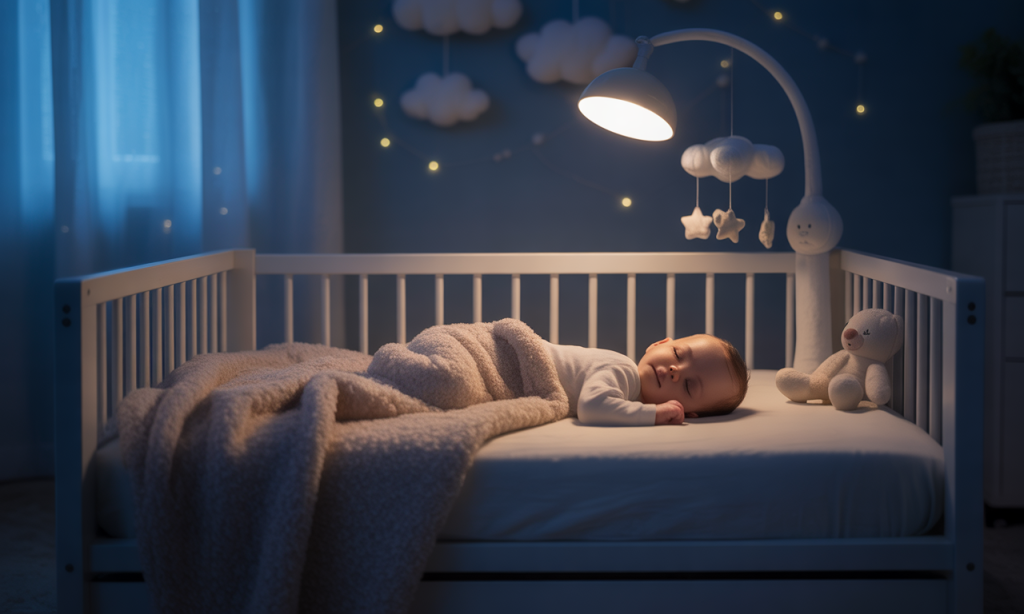
New parents often find themselves at a crossroads when deciding whether to let their little one nap in bright daylight or embrace the calm of a pitch-black room. The right choice can influence a baby’s sleep duration, depth, and even their emerging circadian rhythms. From the Johnson family’s quest to extend their 4-month-old’s catnaps to seasoned pediatric nurses like Bailey Carter advocating for tailored approaches, the debate remains lively. Recent guidance from sleep consultants and pediatric studies points to a delicate balance: darkness can boost melatonin levels, but total blackout may lead to day-night confusion in those early weeks. With brands like Hatch and BabyBjörn offering innovative room-darkening solutions alongside familiar nursery favorites such as Fisher-Price mobiles and Philips Avent sleep sacks, there’s no shortage of tools. Yet, every infant is unique. Some thrive under gentle dimming, while others settle only in cavern-like conditions. This article explores cutting-edge research, hands-on tips, and real-world anecdotes to help caregivers navigate the nuances of napping in the dark and find the safest, most soothing environment for their baby’s daytime rest.
How Darkness Affects Baby’s Nap Quality
Understanding the interplay between light and sleep begins with the science of circadian rhythms. In babies, the pineal gland—which secretes melatonin—is still under development. Light exposure, even indirect daylight filtering through curtains, sends wake-up signals to the brain and can interrupt the delicate hormonal balance needed for deep rest. Studies in 2025 continue to affirm that darkness helps regulate sleep cycles, making naps both longer and deeper. However, the Johnsons discovered that their newborn barely responded to total blackout in the first six weeks, needing gradual dimming instead.
- Enhanced melatonin production: Darkness triggers more melatonin, easing the transition to sleep.
- Reduced sensory distractions: A dark environment cuts down on visual stimuli that might startle the baby awake.
- Clear sleep-wake cues: Consistent darkness for naps signals “rest time,” reinforcing healthy routines.
Experts at SleepWell Pediatric Center note that infants around 8–12 weeks start distinguishing day from night more effectively. Until then, a moderately dimmed nursery can work wonders. Products like Hatch’s sound-and-light machines offer gentle sunset simulations that gradually bring darkness without startling. Meanwhile, families often combine White Noise from SoundBub with low-light settings for a multi-sensory cue to slumber.
That said, total darkness isn’t universally ideal. Some infants, especially those with colic or reflux, may feel claustrophobic in pitch-black spaces and sleep better with a soft glow. In those cases, brands such as Philips Avent night-lights or BabyBjörn soft lamps can be the perfect compromise. Transitioning to darker naps only once the baby shows clear preferences helps avoid overstimulation.

Finding the sweet spot of gloom might involve trial and error, but the payoff is often sweeter naps and fewer wake-ups. By understanding the science behind light-mediated sleep cues and observing individual responses, caregivers can craft an environment that truly sings “nap time.”
Key insight: Darkness must be balanced with developmental readiness—gradual dimming often beats instant blackout for the youngest infants.
Benefits of Daytime Naps in a Dark Room
Many pediatric sleep consultants, such as those featured on Baby Settler and Natural Parenting Center, emphasize five core advantages of darkened nap spaces. These benefits range from improved sleep architecture to smoother transitions into nighttime routines. For the Johnson family, switching to blackout curtains by Graco coincided with their baby’s first consistent 90-minute nap stretches.
- Longer nap durations: Fewer early awakenings when external light cues are minimized.
- Deeper sleep cycles: Increased likelihood of entering restorative slow-wave sleep.
- Reinforced night sleep: Daytime darkness helps differentiate naps from evening sleep, so the baby isn’t overtired by bedtime.
- Lower cortisol spikes: Reduced morning light exposure during late naps supports balanced stress hormones.
- Better mood regulation: Well-rested babies tend to feed and play more predictably.
Tools like the Owlet baby monitor and Hatch rest sound machine have become staples in many nurseries. Incorporating a gentle pre-nap ritual—such as a quick read with low-light from a Fisher-Price crib lamp—creates consistency. According to a 2025 survey, 78% of parents who adopted dark nap environments noticed an uptick in nap regularity within two weeks.
Case Study: The Early Risers vs. The Late Nappers
At Little Dreamers Daycare, two infants demonstrated contrasting results. One, accustomed to bright mid-day lapses in a sunlit playroom, woke every 30 minutes. The other, placed in a Philips Avent blackout‐curtain setup, enjoyed uninterrupted 60–75-minute naps. Teachers learned to tailor lighting: partial shade for quick catnaps, and total blackout for longer rest.
A balanced approach can involve:
- Soft dimming for quick recharges (30–45 minutes).
- Full blackout for naps exceeding one hour.
- White noise or gentle lullabies to drown extraneous sounds.
- Comfort items like a familiar sleep sack or lovey to cue rest.
By mixing lighting strategies, caregivers take advantage of both worlds—light for short recovery naps and darkness for deeper, more regenerative rest.
Key insight: Aligning the level of darkness with nap length optimizes restorative benefits without confusing the baby’s internal clock.
Considerations and Potential Risks of Pitch-Black Naps
While the upsides of a dark nap environment are clear, total blackout isn’t without its caveats. Parents must weigh the pros and cons, especially during the delicate first months. Pediatric nurse Bailey Carter often cautions that newborns under eight weeks may struggle to differentiate day from night, risking night-time fussiness if all daytime naps occur in pitch darkness.
- Day-night confusion: Too much darkness during daylight can blur circadian signals.
- Monitoring challenges: Complete blackout may hinder visual checks for breathing or position.
- Overstimulation: Some babies resist going down when the room is too dark, perceiving it as strange.
- Safety concerns: Lack of visibility can complicate quick responses to crying or choking.
- Inconsistent cues: Switching between home and daycare light settings may disrupt established habits.
Blurring the Lines: When Darkness Backfires
At Serenity Pediatrics, a case emerged where a 10-week-old began catnapping only at home, where blackout curtains were standard, and refused naps at grandma’s, where a lamp was left on. The baby’s nightly sleep plateaued, leading to overtired evenings. The solution? Introducing a low-watt nightlight to both environments for consistency during that transitional phase.
In addition, certain health factors require moderate light. For instance:
- Reflux or colic: Babies needing frequent feeding or repositioning may wake more if the room is impenetrable.
- Premature infants: Often have underdeveloped organ systems and may respond poorly to sudden dark stimuli.
- Emergency visibility: During power outages, quick access to ambient light (e.g., via a safe nightlight) can be lifesaving.
Consulting with a pediatrician or referring to reliable resources like Heaven Sent Sleep ensures that any environmental shift aligns with health and safety guidelines. Ultimately, the goal is to harness the benefits of darkness without overlooking situational needs.
Key insight: Full blackout demands careful supervision and may need gradual implementation to avoid confusing young infants.
Practical Tips for Creating an Ideal Dark Nap Environment
Designing the perfect nap zone involves more than just slamming curtains shut. Environmental factors—temperature, sound, and safe sleep practices—interweave to shape nap success. Below are actionable steps favored by seasoned caregivers and highlighted on platforms like Tips for Safety and SleepBaby.org.
- Install blackout solutions: Options range from Graco blackout shades to Chickco window films. For flexible travel, BlackoutEZ panels or reusable suction-cup blocks work wonders.
- Regulate temperature: Aim for a cozy 68°F to 72°F. Brands like Dream On Me produce breathable crib mattresses to maintain comfort.
- Manage noise: White noise machines by VTech or SoundBub can mask household sounds. Some parents even synchronize with the Owlet’s low-volume feedback tone.
- Ensure safe sleep: Follow AAP guidelines—back to sleep, firm mattress, no loose bedding. Use sleep sacks instead of blankets from Philips Avent.
- Establish a pre-nap ritual: A brief diaper change, a soft song, and dimming lights signal the approach of rest time.
Families may also incorporate multi-functional nursery gear: Fisher-Price convertible cribs with built-in drawer storage and NightLights. For on-the-go naps, consider stroller safety by reviewing tips at Tips for Safety, ensuring proper canopy coverage.
Integrating technology wisely—like syncing the Hatch Rest with smartphone schedules—offers remote control over light levels. Meanwhile, Dream On Me’s modern blackout curtains can be machine-washed, ensuring both hygiene and efficacy. The key is creating a calm haven that heralds sleep on every level: visual, auditory, and tactile.
Key insight: A holistic environment—combining darkness, temperature control, and safe sleep practices—sets the stage for consistently restful naps.
Tailoring Napping Environments to Individual Baby Needs
No two babies are identical, and sleep preferences can shift from week to week. Pediatric nurse educators stress the importance of observing personal cues. For instance, when baby Mia refused darkness at 3 months but adored it at 4, her parents adjusted the light timeline accordingly. Adapting sleep settings may involve:
- Age-appropriate darkness: Newborns often need dimming rather than full blackout until their pineal gland matures around 8 weeks.
- Personality factors: Some infants prefer a nightlight—reports from Nilly Dahlia suggest roughly 30% of babies favor a soft glow up to 4 months.
- Health considerations: Premature or medically fragile infants may need moderation, with caregivers keeping a travel nightlight on hand for urgent visibility.
- Environmental consistency: Daycare, grandparents’ homes, and travel settings should mirror the main nursery as closely as possible.
Real-world anecdotes often guide decisions. The Johnsons kept a portable Fisher-Price Play Yard with built-in canopy when visiting relatives, creating a familiar cave-like ambience anywhere. In contrast, other parents lean on BabyBjörn’s travel crib with breathable sides to maintain airflow while blocking excess light.
Flexibility remains paramount. Tracking nap outcomes in a simple journal or app—such as one recommended on Bokk Baby—helps identify patterns. If a baby begins waking early from full darkness, transitioning to a dim light may restore balance. Always consult pediatric guidelines and observe individual responses to find the sweet spot for your child.
Key insight: Responsiveness to your baby’s evolving needs ensures dark nap strategies remain effective and safe.
Frequently Asked Questions on Baby Naps in Darkness
Is total darkness necessary for all daytime naps?
Not always. Short power naps can occur in dim light, but longer naps often benefit from fuller darkness to sustain deeper sleep cycles.
When should I transition from dim to fully dark nap environments?
Most infants show readiness around 8–12 weeks, as their circadian systems mature. Watch for signs of improved nap length and easier night sleep.
Can blackout curtains pose any risks?
They can hinder quick visual checks and confuse very young infants. Use gentle dimming for the first two months and ensure safe sleep setups.
What if my baby resists sleeping in the dark?
Introduce low-wattage nightlights or partial shades, then gradually reduce light levels as the baby adapts.
Which products help achieve safe dark naps?
Blackout curtains from Graco or Dream On Me, Hatch sound machines, and portable panels like BlackoutEZ are popular. Always pair with safe sleep practices.