On this page
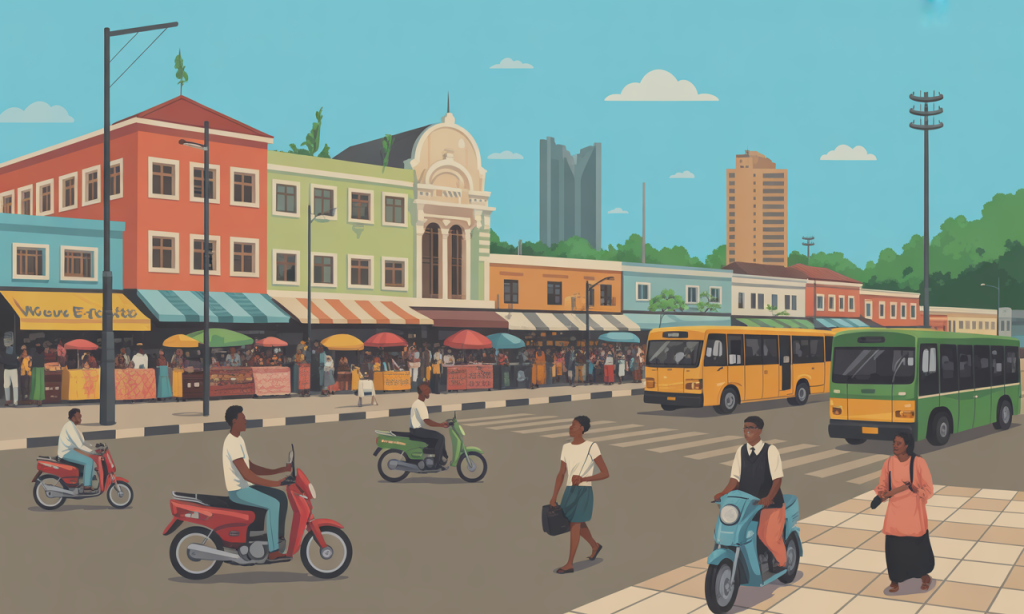
Traveling to Lagos, Nigeria’s bustling megacity, demands more than just packing a suitcase—it requires a nuanced grasp of safety realities in 2025. With a population approaching 21 million, Lagos presents a vibrant blend of culture, commerce, and chaos. While its thriving markets, stunning beaches, and energetic nightlife promise excitement, the city’s complex security landscape urges travelers to tread carefully. Ranked low on global peace indices and flagged by numerous international travel advisories, Lagos mirrors broader safety concerns seen across Nigeria, from political instability to frequent crime and unpredictable civil unrest.
Despite these challenges, Lagos remains one of Nigeria’s more stable urban hubs alongside Calabar. The city caters to tourists, business visitors, and expatriates who find a measure of safety in select neighborhoods and gated accommodations. However, visitors must remain vigilant to risks including armed robbery, scams, and traffic hazards, balancing adventure with caution. Experts advocate for thorough preparation—securing AXA Travel Insurance or exploring providers like TravelGuard and World Nomads to safeguard against unforeseen events.
This article dives deep into whether it’s safe to travel to Lagos, dissecting key factors like crime, local transportation, medical facilities, and cultural etiquette. It provides actionable tips for solo travelers and families seeking fun but secure experiences. Navigating Lagos’s impressive yet unpredictable energy is possible—from understanding risky zones to choosing trusted lodging and transport. Stay alert to updates via government travel advisories and leverage apps like Uber or Bolt to move confidently through the city’s maze. As intricate as Lagos is, with the right approach, its layers of history, commerce, and coastal charm can be accessed safely.

Understanding the Safety Landscape of Lagos in 2025
Lagos is often described as a city of contrasts—where gleaming skyscrapers rise alongside informal settlements, and street vendors hustle amid heavy traffic. This duality reflects in safety perceptions too. While some visitors report trouble-free stays, others encounter crime or unsettling experiences. To gain perspective, let’s break down the evolving security situation and factors shaping traveler safety.
Crime Profile: What Travelers Need to Know
Crime, both petty and violent, remains a major concern in Lagos. Pickpocketing and scams are common in busy areas such as markets and transportation hubs. The city’s carjacking incidents and armed robbery cases, though not rampant everywhere, do spike overnight or in poorly lit zones. Kidnapping, while more frequent in other parts of Nigeria, is a risk not wholly absent from Lagos, particularly in isolated neighborhoods.
The Nigerian police’s capability is frequently questioned due to a low ratio of officers per capita and instances of corruption. This means relying solely on local law enforcement might not always guarantee prompt help. Instead, many tourists and residents turn to private security services. Travelers would benefit by selecting accommodations with robust security measures—gated compounds, surveillance, and 24/7 guards.
Localized Risks: Areas to Avoid and Neighborhoods to Favor
Knowing where to walk, drive, or stay is crucial. The neighborhoods of Agege, Mushin, and Oshodi consistently report higher crime levels and are best avoided by visitors. Similarly, certain beachfront areas like Bar Beach can become unruly, especially after dark.
On the flip side, districts like Victoria Island, Lagos Island, and Ikoyi are regarded as relatively safer zones, hosting embassies, upscale restaurants, and business centers. These areas boast better infrastructure and security patrols. The beach getaway at Tarkwa Bay also enjoys a reputation for being one of the safer, cleaner, and more tourist-friendly coastal spots, especially when accessed via private boats or resort services.
- Stay within well-lit, crowded areas especially at night
- Travel with reputable security companies or hotel-arranged transport
- Avoid displaying expensive possessions openly in public
- Remain updated on local news and travel advisories from sites like the UK Foreign Travel Advice and the US Travel Advisory
International Travel Advisory Levels and Their Impact
As of 2025, many international bodies maintain a Level 3: Reconsider Travel advisory for Nigeria, advising travelers to avoid non-essential trips except to certain coastal cities like Lagos and Calabar under strict caution. This caution stems from Nigeria’s ongoing challenges with terrorism, civil unrest, and kidnapping cases Eastern and Northern Nigeria experience much higher threats, but Lagos’s trade and diplomatic significance mean heavier security efforts there.
Major insurers—such as Allianz Travel, Generali Global Assistance, and AIG Travel—often require adherence to these advisories for coverage limitations. Visitors typically turn to platforms like TravelSafe and InsureMyTrip to compare policies tailored for high-risk destinations. Planning ahead and choosing appropriate travel insurance providers can make all the difference in case a security situation escalates unexpectedly.
Staying informed through regular updates from Canada’s government advisory or insights from repeated travel experiences shared on platforms like Xplrverse improves situational awareness. This allows for flexible itinerary adjustments or reconsideration of travel plans when necessary.
Practical Safety Measures for Navigating Lagos
Being prepared can transform a potentially nerve-racking Lagos adventure into a manageable and even unforgettable one. Here’s a tactical rundown of how to keep safety front and center.
Accommodation Selection and Safety Features
Choosing lodging smartly is non-negotiable. Opt for hotels or private rentals in high-security zones with verified safety protocols. Good accommodations usually feature:
- 24/7 gated security with controlled access
- CCTV cameras throughout common areas
- Room safes for valuables
- Secure parking and staff screening
- Reliable emergency communication systems
Many international chains in Lagos also provide airport pickup to reduce vulnerability during transit. Confirm such arrangements early through hotels or trusted travel agencies. A stay at places cited on Travel With The Greens and Traveler Bibles gives insights from recent visitors.
Transport Tips: Avoiding Public Transport Pitfalls
Public transit in Lagos is often overcrowded and unreliable, increasing exposure to petty crimes and accidents. Instead, travelers should:
- Use ride-hailing services like Uber or Bolt
- Hire private drivers through reputable hotels or security companies
- Avoid hailing taxis directly from streets, especially at night
- Arrange transportation details in advance, particularly airport transfers
These steps not only minimize risk but also save time—critical in a city infamous for its traffic congestion. Insider tips from Travel Like a Boss highlight negotiating fares upfront and sharing ride tracking details with trusted contacts.
Health and Medical Precautions
Lagos hosts several quality hospitals, including Reddington and St. Nicholas Hospital, but overall medical services can lag behind global standards. Visitors should:
- Carry comprehensive health insurance, ideally from providers such as SafetyWing or TravelSafe
- Maintain updated vaccinations, including yellow fever and typhoid
- Stick to bottled water exclusively and avoid street food from unhygienic vendors
- Pack necessary medications and a travel first aid kit
Awareness of emerging health threats like dengue fever and monkeypox remains crucial. Quick access to medical help may not always be straightforward—taking prevention seriously reduces risk.
Cultural Awareness and Conduct to Enhance Safety in Lagos
Understanding local customs not only enriches travel but also protects visitors from unwanted attention. Lagos is a cultural kaleidoscope with strong social norms and expectations.
Respectful Dress and Behavior
Modesty is key, even in cosmopolitan Lagos. Avoid flashy outputs and always cover shoulders and knees when visiting traditional places or religious sites. Use your right hand for greetings and transactions. Public displays of affection can provoke disapproval or worse.
- Wear loose, breathable fabrics suited to the humid tropical climate
- Respect gender norms—Nigeria is conservative in many respects
- Engage vendors politely and beware of over-aggressive sales tactics
- Ask before photographing locals to honor privacy
Such small gestures earn goodwill and often deter petty harassment. Knowing these nuances is part of smart travel insurance preparation—providers like World Nomads emphasize cultural sensitivity in pre-trip advice shared on their platforms.
Family Travel Safety: Navigating Lagos With Children
Traveling to Lagos with family ups the stakes but doesn’t close the door on possibilities. Parents must plan meticulously to shield kids from the city’s cruder realities.
Essential Tips for Families
When venturing to Lagos with children, these practical strategies pay off:
- Pick family-friendly accommodations in secure neighborhoods like Victoria Island
- Carry a first-aid kit and children’s medications
- Hire private drivers to avoid public transit hazards
- Limit outdoor activities to daytime and enclosed spaces
- Keep the family together, avoiding separated sightseeing tours
Pre-trip vaccinations and consultation with pediatric travel health experts help mitigate disease threats. Apps for emergency numbers and local hospital locations ease stress. Family trips to Lagos remain feasible with responsible planning and by prioritizing the safety of younger travelers.
Additional Resource Links for Safety Planning
- Is Nigeria Safe for Tourists?
- African Jacana Lagos Safety Guide
- Travel Safe Lagos Advice
- Official Canadian Travel Advisory
- Xplrverse Safety Guide
Frequently Asked Questions About Traveling to Lagos Safely
- Q: Is Lagos safe for tourists in 2025?
Yes, with careful planning, remaining in secure neighborhoods, and using trusted services, tourists can safely experience Lagos’s vibrant culture while staying protected from common risks. - Q: What areas should I avoid in Lagos?
Avoid high-crime areas such as Agege, Mushin, Oshodi, and wandering off to less populated or isolated regions, especially after dark. - Q: Are the beaches in Lagos safe to visit?
Stick to private, resort-owned beaches like Tarkwa Bay. Public beaches often lack security and have poor maintenance. - Q: What travel insurance providers cover trips to Lagos?
Providers like Allianz Travel, TravelGuard, World Nomads, SafetyWing, AXA Travel Insurance, and AIG Travel offer plans covering many travel risks specific to Lagos and Nigeria. - Q: How can I ensure safe transportation within Lagos?
Utilize ride-hailing apps such as Uber and Bolt or arrange private driver services through your accommodation to reduce exposure to crime and accidents on public transit.