On this page

New parents often juggle gear from Pampers diapers to Fisher-Price swings, wondering if daytime slumber is really safe for their little ones. Between soothing cries and midday check-ins, carving out restful naps can feel like decoding a mystery. Yet pediatric research and seasoned educators agree: a dependable daytime nap routine is a cornerstone for healthy development, mood regulation, and even nighttime sleep quality. Across 2025 guidance from experts at What to Expect and the ShunChild collective, nurturing safe naps involves both environment and timing—far beyond simply laying baby down.
Families are urged to invest in safe sleep spaces—ranging from Graco bassinets to Chicco travel cribs—and mindful routines that mirror bedtime. From controlling room temperature with recommended humidifiers to choosing breathable sleep sacks by HALO, every detail matters. Whether your infant is a “monster napper” powering through three-hour dozes or a “cat napper” with frequent thirty-minute spells, understanding cues and applying targeted strategies can transform daytime rest. Ahead, explore five in-depth perspectives on establishing, troubleshooting, and evolving safe nap schedules for babies—each offering practical lists, real-life examples, and expert links to carry you through every sleepy stage.
Benefits of Daytime Naps for Infant Health and Safety
Daytime sleep isn’t a luxury for infants—it’s essential. In early months, newborns clock up to 17 hours of sleep daily, chunked into several naps. These intervals allow brains to process new stimuli, support rapid growth, and replenish energy. Studies cited by the Mayo Clinic note that regular daytime rest reduces fussiness, aids digestion, and prevents overtired meltdowns that can disrupt night sleep.
Take the Anderson family: their 4-month-old, Mia, transformed from a gassy, irritable infant into a serene sleeper once she settled into two reliable daily naps in her BabyBjörn bouncer and Graco crib. Her mom credits a consistent environment—dim lights, white noise, and a pre-nap feeding with a Philips Avent bottle—for steady dozes.
- Brain development: Naps consolidate learning and memory, processing new faces, sounds, and movements.
- Emotional regulation: Well-rested infants cry less and adapt more quickly to changes in routine.
- Physical growth: Growth hormone surges during sleep drive weight gain and muscle development.
- Nighttime sleep benefits: A balanced nap routine often leads to longer stretches at night.
Parents should avoid skipping naps in the hope of better night sleep—research and practice confirm that daytime dozing is non-negotiable for health. A simple routine can yield dramatic improvements: Laura switched from chaotic stroller snoozes to precise nap windows, using her Munchkin black-out shade and tracked sleep in the Nanit app. Within days, her son’s mood stabilized and nighttime wakings dropped by half.

Insight: Establishing a daytime nap routine is the cornerstone of infant well-being and paves the way for improved night sleep.
Designing a Safe Nap Environment: Timing, Gear, and Routines
Creating a reliable nap routine hinges on consistency across three pillars: timing, setting, and cues. Around 4–6 months, most babies shift to two or three naps per day. While individual patterns vary, aligning naps with age-appropriate wake windows—1.5 to 3 hours between sleeps—prevents overtiredness.
A well-equipped nap zone minimizes disruptions. Families often combine a Graco pack-and-play for travel with a nursery crib fitted with a breathable mattress. Employing bassinet safety guidelines for newborns ensures a snug space. Optimal room temperature (68–72°F) and a white noise machine by Hatch Baby or Munchkin guard against early wake-ups.
- Consistent timing: Aim for naps around the same time daily to set an internal clock.
- Pre-nap ritual: Mirror bedtime cues—dim lights, gentle rocking, lullabies, and a quick diaper change.
- Safe sleep gear: Swaddle in a HALO sleep sack until rolling begins; transition to a sleep bag thereafter.
- Monitor wisely: Using an Owlet baby monitor can alert to breathing irregularities without disturbing rest.
To illustrate, a Seattle-based daycare implemented identical nap routines across rooms using Pampers changing stations and Chicco loungers. Caregivers reported a 30% drop in crankiness and smoother hand-offs to parents. Such communal consistency emphasizes how timing and surroundings guide infant sleep rhythms.
Integrating interactive tools like the WebMD nap slideshow can help visualize an ideal nursery layout. Ultimately, safe nap environments blend reliable schedules, supportive gear, and soothing signals.
Insight: A predictable nap environment—rooted in timing, gear, and sensory cues—creates restful daytime slumbers for baby.
Overcoming Common Nap Challenges: Cat Nappers, Monster Naps, and Early Wakes
Not all infants fit neatly into sleep charts. Some are “monster nappers,” drifting into 2-3-hour naps, while “cat nappers” clock brief 30- to 45-minute snoozes but nap more often. Both styles have perks and pitfalls. Extended naps can spill into dinnertime, while short naps may leave a baby overtired by afternoon.
Consider the Johnson twins: Lily was a cat napper, Zach a monster napper. Their parents tracked patterns in the Bump nap guide and found that slight adjustments—morning stroller strolls for Lily and a muted phone alarm to rouse Zach after 90 minutes—aligned both twins into two balanced naps by six months.
- Short naps: Introduce gentle checks every 10 minutes to coax baby back to sleep without complete pick-up.
- Long naps: Cap excessive afternoon rest at 90 minutes to preserve bedtime readiness.
- Early wakes: Offer a pacifier from Philips Avent or swaddle in a BabyBjörn stroller insert to extend rest.
- Sleep readiness signs: Yawning, rubbing eyes, and fussiness signal it’s time—don’t wait until meltdown mode.
If naps remain erratic, a white noise machine by Hatch Baby can drown out household distractions. For persistent issues, the Natural Parenting Center outlines safe nap lengths, while Baby Sleep Site offers personalized charts. Such resources guide caregivers through troubleshooting without sacrificing safety.
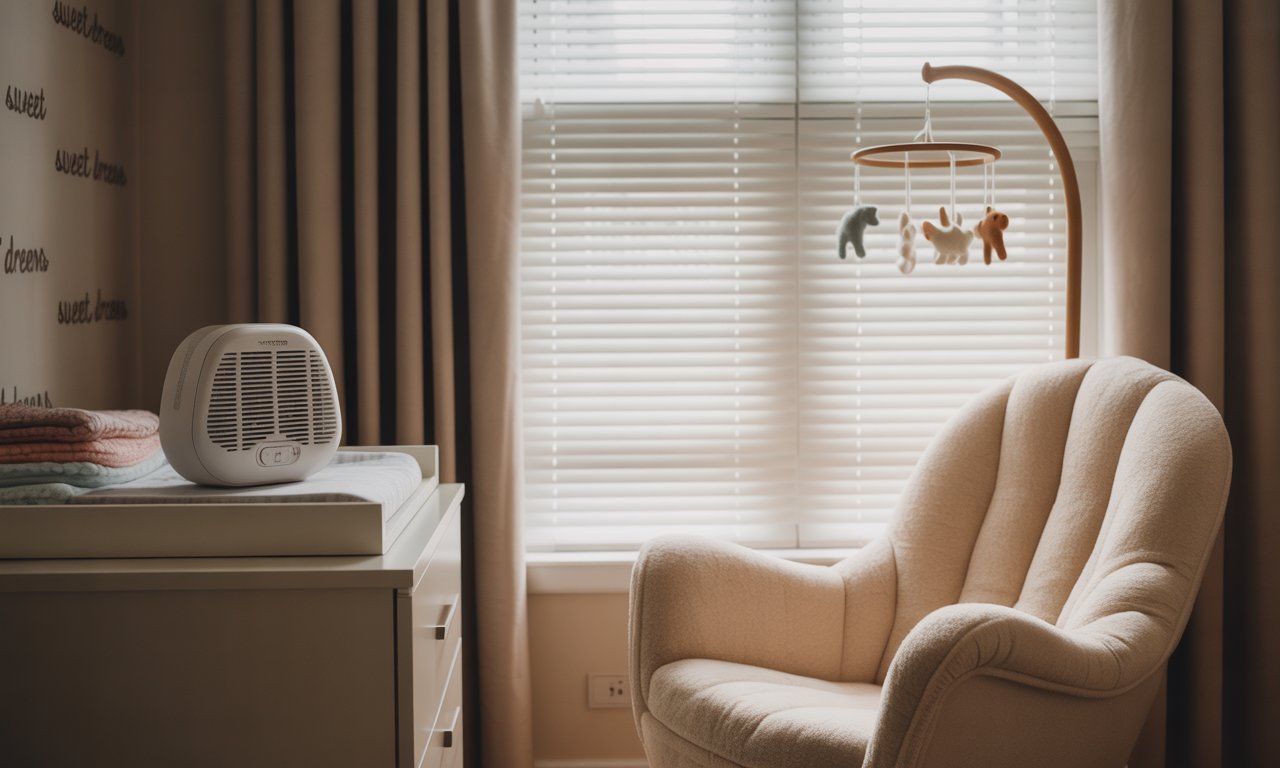
Insight: Tailoring strategies to your infant’s nap style is key—targeted tweaks turn cat naps into restorative rest and moderate monster naps.
Introducing Sleep Training for Daytime Naps: Methods and Milestones
Sleep training isn’t just for bedtime. For infants aged 4–6 months and older, teaching self-soothing during naps can promote independence and more consistent rest. Approaches range from the gentle “no tears” method to graduated extinction like the Ferber approach.
Parents using the Ferber method place baby down drowsy but awake, checking in at increasing intervals with brief pats or shushes. Others prefer the “chair method,” gradually distancing the caregiver’s presence over days. Both can work if applied respectfully and patiently.
- When to start: Only after four months, once feeding routines stabilize and developmental milestones like rolling are underway.
- Choosing a method: Align with family values—some welcome brief checks, others opt for silent “self-settle” spans.
- Supporting gear: A Chicco glider for gentle rocking and a Munchkin automatic white noise machine provide comfort cues.
- Consistency matters: Stick to the selected plan for at least one full week before switching strategies.
In one case, parents in Austin found that combining sleep training with a pre-nap story ritual improved nap durations by 40%. They used the Hatch Baby Rest app to dim lights and time intervals. Documenting progress on a simple chart helped maintain motivation and track wins.
Insight: Thoughtful sleep training of daytime naps fosters self-soothing skills and reliable rest—crucial for healthy development and parental sanity.
Adapting and Phasing Out Naps: Toddler Transitions and Long-Term Sleep Health
Around 12–18 months, toddlers typically shift from two naps to one, and by three or four years, naptime often falls away entirely. Navigating these transitions requires flexibility and awareness of each child’s unique pace.
During the one-nap phase, extending the midday rest to 90–120 minutes can sustain energy levels until bedtime. Offering quiet rest time—even if sleep doesn’t come—still recharges young minds. Avoid packing the day too tightly; toddlers need breathing room between preschool pick-ups, playdates, and family meals.
- Monitoring for readiness: Watch for consistent refusal of the second nap or difficulty settling in the morning slot.
- Quiet time routines: Incorporate books, puzzles, or soft music in a comfortable corner to honor rest without forcing sleep.
- Bedtime adjustments: Shift bedtime later by 15–30 minutes to offset the loss of afternoon napping.
- Safe play gear: Transition cribs to toddler beds by Graco or Chicco, ensuring guardrails and clear pathways.
Even as traditional naps wane, daytime rest remains valuable. A brief recline in a BabyBjörn bouncer or 20 minutes of storytime in a cozy nook can prevent afternoon meltdowns. By supporting a gradual shift, caregivers lay the groundwork for lifelong healthy sleep habits.
Insight: Phasing out naps at the toddler stage is less a deadline and more a guided evolution—quiet time and consistent bedtime keep little ones rested and content.
Frequently Asked Questions
Q: How long should newborns nap during the day? A: Newborns often sleep in 30- to 90-minute stretches across 3–5 naps daily, totaling 14–17 hours of sleep in 24 hours. Maintaining 45-minute wake windows helps signal when nap time is due.
Q: Is it safe for babies to nap in a stroller? A: Occasional stroller naps are fine, but extended naps in car seats or swings can pose positional risks. Always prioritize crib or bassinet sleep and follow safe napping standards.
Q: Can teething disrupt naps? A: Yes—gum discomfort can shorten naps. Offering a chilled teether and consulting a pediatrician about acetaminophen can ease pain and support longer rest.
Q: Should pacifiers be used during naps? A: Pacifiers from trusted brands like Philips Avent reduce SIDS risk and help babies self-soothe. Ensure they’re clean and offer without strings or attachments.
Q: What if my toddler refuses a once-daily nap? A: Encourage consistent quiet time. Shift bedtime slightly earlier if energy levels remain high, and keep routines predictable to signal rest—even if sleep doesn’t ensue.