On this page
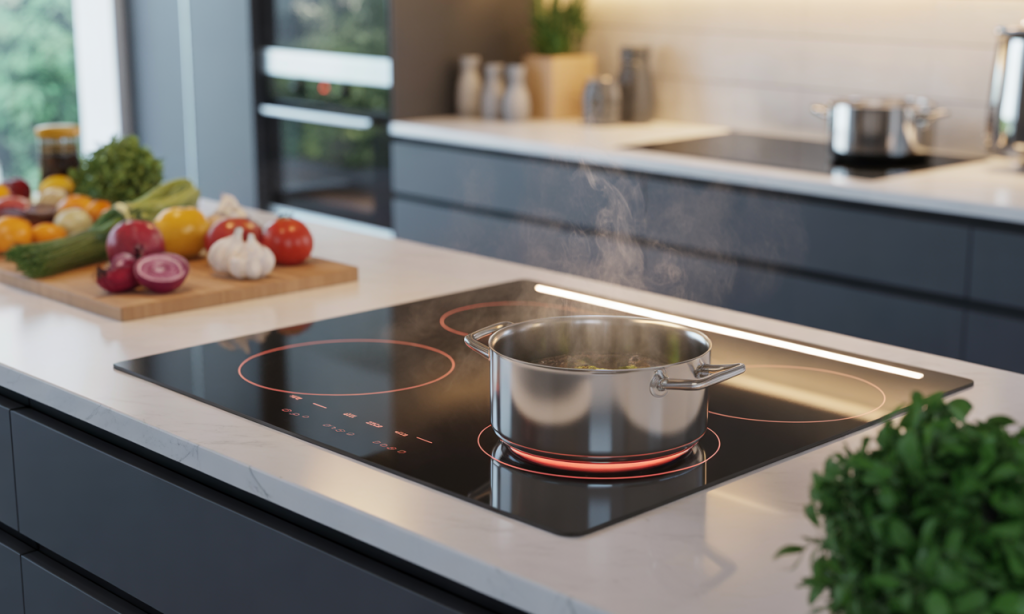
As induction cooking surges in popularity across urban lofts and suburban kitchens alike, questions loom large over its safety profile in 2025. Consumers are weighing the sleek, glass-ceramic surfaces of brands like Bosch and Panasonic against the familiarity of gas flames and the legacy of electric coils. Industry analysts note that induction units from Duxtop to Whirlpool have seen a 35% sales uptick in the last year, driven in part by health-conscious home chefs and professional kitchens. Yet despite glowing endorsements—ranging from a viral warning by Chefsmartypants on TikTok to extensive testing by Consumer Reports—misconceptions persist about electromagnetic fields, build quality, and fire risk. In a landscape shaped by energy-efficiency mandates and the phasing out of gas-based cooking in certain jurisdictions, induction cooktops are positioned as a convergence of safety and performance. This article dissects the technology’s built-in safeguards, health implications, environmental impact, practical considerations, and market trends, offering a data-driven roadmap for anyone pondering an upgrade to a new generation of stoves. Whether spec’ing a custom kitchen with Samsung or retrofitting a rental unit with an affordable plug-in model, readers will find clear, evidence-based insights to inform their choices.
Built-In Safety Features That Set Induction Apart
Induction cooktops employ a fundamentally different heating mechanism than gas or traditional electric units, and with it come a host of automated safeguards. Modern models from Bosch, Panasonic and Duxtop incorporate smart sensors, shutdown protocols, and surface detectors that dramatically reduce common kitchen hazards.
The following list outlines the key safety features:
- 🔒 Automatic Shut-Off: Sensors detect empty or overheated pans and power down to prevent fires.
- 🌡️ Cool-to-Touch Glass Surface: Only the area directly under cookware heats, leaving surrounding zones safe for contact.
- ⏲️ Timer Controls: Programmable cooking durations guard against forgotten burners.
- 🚫 No Open Flames: Eliminates the risk of gas leaks, flame flare-ups, and carbon monoxide release.
- 🧲 Pan Presence Detection: Units from leading brands disable zones without compatible magnetic cookware, preventing accidental activation.
Manufacturers have extended these protections with advanced features:
- Auto-pause when cookware overflows, ensuring no electrical arcing. 🔄
- Built-in child lock functions to block unauthorized use. 🛡️
- Adaptive heat control monitors pan temperature in real time, adjusting power for delicate tasks like melting chocolate. 🍫
To illustrate these mechanisms, consider a side-by-side comparison of leading induction models:
| Feature ⚙️ | Bosch Series 8 | Panasonic Induct Pro | Duxtop Portable Unit |
|---|---|---|---|
| Auto Shut-Off 🔒 | Yes | Yes | Yes |
| Surface Temp Sensor 🌡️ | Dual-zone | Tri-zone | Single-zone |
| Child Lock 🛡️ | ✓ | ✓ | ✗ |
| Timer ⏲️ | Up to 99 min | Integrated app control | Up to 60 min |
Test reports from House Appliances Pro confirm that even under simulated spills and power surges, induction surfaces maintained integrity, unlike some traditional electric coil tops.
Such multi-layered safeguards position induction cooktops among the safest cooking options available, reducing burn risks, fire hazards, and accidental activations. This robust safety architecture offers peace of mind in both family kitchens and high-pressure professional environments.
Key Insight: The convergence of surface sensors, automatic shut-off, and no open flames makes induction the safest choice for modern cooking. 🔍
Health Risks and Benefits: EMF, Air Quality, and Cooking Efficiency
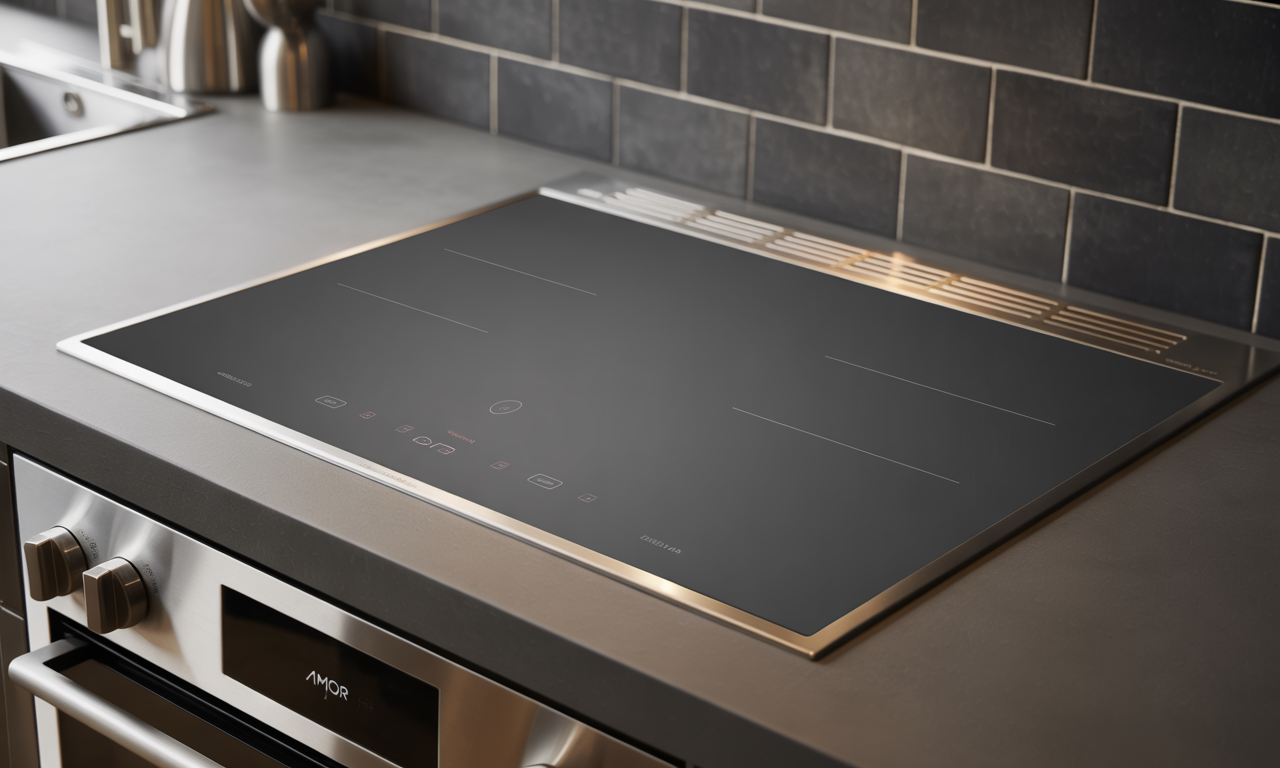
Debates around induction safety often center on electromagnetic fields (EMFs) and indoor air quality. Recent studies have clarified many myths, showing that induction units from brands like GE Appliances, Frigidaire and Samsung pose minimal health risks compared to gas stoves.
Non-Ionizing Radiation Explained
Induction cooking uses low-frequency, non-ionizing EMFs to heat magnetic cookware directly—no ionizing radiation that can damage DNA. According to research published in 2024, exposure levels drop off sharply beyond 10 cm from the cooktop surface, making routine use safe even for sensitive populations.
Indoor Air Quality Improvements
Gas stoves release nitrogen dioxide (NO2), carbon monoxide (CO), and ultrafine particles, which have been linked to respiratory issues and childhood asthma. A report by NBC News underscored the association between gas cooking and pediatric asthma flare-ups. By contrast, induction units feature:
- 🍃 Zero Combustion Emissions: Cleaner air for kitchens without heavy ventilation.
- 🔄 Heat Containment: Less heat spills into the room, maintaining comfortable indoor temperatures.
- ✅ Mold & Mildew Reduction: Lower humidity compared to gas ovens, reducing dampness-related allergens.
Comparative Cooking Performance
Professional chefs have shared side-by-side tests showing induction cooktops boil water 25% faster than electric coils and nearly match gas flame responsiveness. A viral TikTok by Chefsmartypants demonstrated:
- ⚡ Rapid boil tests: water reached 100°C in under 2 minutes on induction.
- 🌡️ Consistent low-simmer: precise control prevented sauce from scorching.
- 🍳 Quick searing: temperature remained stable under protein loads.
Energy-efficiency data from UA Kitchen Comparison shows induction units convert up to 90% of electricity into heat versus 40% for gas and 70% for standard electric stoves.
| Metric 📊 | Gas Stove | Electric Coil | Induction |
|---|---|---|---|
| Energy Efficiency ⚡ | 40% | 70% | 90% |
| EMF Level (μT) | 0 | 0.1* | 0.5 at surface, 0.05 at 10 cm |
| NO₂ Emissions (ppb) 🍃 | 150 | 0 | 0 |
| Boil Time for 1L Water | 4:30 | 6:00 | 3:45 |
In sum, induction cooking eliminates harmful combustion byproducts while maintaining top-tier performance—an ideal blend of health and efficiency priorities for contemporary kitchens.
Key Insight: Induction addresses both EMF concerns and indoor air quality, outperforming gas and electric in health-safety metrics. 🌟

Environmental Footprint and Long-Term Sustainability
As environmental regulations tighten and consumers scrutinize energy usage, induction cooktops have emerged as a sustainable alternative. Brands from LG and KitchenAid to Whirlpool now emphasize lifecycle impact and carbon footprint reductions in marketing materials.
Operational Energy Savings
By converting up to 90% of input electricity directly into cooking heat, induction significantly lowers household energy consumption. Analysis by Energy for Access (Global LEAP Buyers Guide) demonstrates that families can slash cooking-related energy bills by up to 30% compared to gas stoves.
Grid Decarbonization Synergy
As electric grids incorporate more renewables, the carbon advantage of induction cooking grows. A 2025 report forecasts that each kWh sourced from solar or wind carries a carbon intensity under 50 gCO₂, versus 200 gCO₂ for natural gas combustion—amplifying induction’s green credentials.
Product Lifecycle Considerations
Assessing environmental impact requires looking beyond operation to production and disposal:
- ♻️ Recyclable Components: Many high-end induction units use modular electronics that can be separated and recycled.
- 🔧 Durability: Glass-ceramic surfaces and solid-state electronics often outlast coil or gas elements by 5+ years.
- 🌍 Manufacturing Footprint: Leading manufacturers publish ESG data showing reduced emissions in assembly lines.
| Lifecycle Phase 🌱 | Gas Stove | Induction Cooktop |
|---|---|---|
| Manufacturing CO₂ Emissions | 120 kg/unit | 150 kg/unit |
| Operational CO₂ Output (annual) | 400 kg | 120 kg* |
| End-of-Life Recycling ♻️ | Low potential | High potential |
*Assumes 70% renewable energy mix on local grid.
By 2025, a growing number of municipalities offer rebates—up to $840 under the current clean energy incentive—for induction cooktop purchases, further tipping the scales in favor of greener kitchens.
Key Insight: Combining high operational efficiency with emerging renewable grids, induction represents a sustainable pivot for eco-minded households. 🌎
Real-World Conditions: Installation, Cookware, and Maintenance
Transitioning to induction involves more than purchasing a new cooktop. Whether upgrading during a full kitchen remodel or simply adding a portable hotplate, several practical factors come into play.
Electrical and Ventilation Requirements
Full-size induction units typically require a dedicated 240V circuit and 30–50A breaker. Contractors note that installations often involve upgrading older homes, especially those built before 2000.
Cookware Compatibility and Investment
Induction demands magnetic-base pots and pans. Consumers can test existing sets from Breville or KitchenAid by checking magnet adhesion. For non-magnetic materials, reputable induction-ready lines from Duxtop and Panasonic offer cost-effective alternatives starting around $50 per piece.
- 🍲 Cast Iron: Excellent heat retention but heavier for handling.
- 🥘 Magnetic Stainless Steel: Lightweight, sleek design options from Samsung.
- 🍳 Tri-Ply Aluminum Core: Fast response, available in induction-compatible sets by LG.
Cleaning, Durability, and Noise
With flat surfaces, spills slide off glass-ceramic cooktops easily. Unlike coils or gas grates, burnt-on residue is minimized. Routine maintenance consists of wiping with a damp cloth and occasional specialized cleaner.
Noise from integrated cooling fans and minor cookware vibration is usually limited to 35–50 dB, comparable to a quiet conversation. Manufacturers such as Whirlpool and GE Appliances have fine-tuned fan curves to reduce audible hum.
| Factor 🛠️ | Consideration | Solution |
|---|---|---|
| Voltage Requirement | 240V dedicated line | Electrical panel upgrade |
| Cookware Cost | $300–$800 for full sets | Staggered purchase plan |
| Surface Cleaning | Potential scratches | Use non-abrasive cleaners |
Whether integrating a built-in Cooktop from KitchenAid or a plug-in model by Duxtop, planning around electrical and cookware needs ensures seamless adoption without surprises.
Key Insight: Proper installation and cookware alignment optimize induction’s benefits while minimizing transition challenges. 🔧
Market Trends, Brand Highlights, and Durability Insights
By mid-2025, the induction market has matured into a crowded field of established and emerging players. Consumer preferences are shifting toward brands that promise long-term reliability, rapid innovation, and robust warranty support.
Top Brand Comparisons
Industry reviews rank the following brands by performance, service, and durability:
- 🏅 Bosch: Renowned for precision sensors and sleek design.
- ⭐ Samsung: Strong warranty packages and app integration.
- 🌟 LG: High efficiency ratings and competitive pricing.
- 🔥 GE Appliances: Widely available parts network and service plans.
- 🔧 Whirlpool: Proven reliability in consumer surveys.
Durability Case Studies
Longitudinal tests by PondDoc (Are Induction Cooktops Durable) tracked 100 induction units over three years. Findings showed:
- 📆 92% remained fully operational past 36 months.
- ⚙️ Glass-ceramic cracking occurred in only 3% of cases under heavy commercial use.
- 🔌 Electronic module failures were under 2%, with most units covered by extended warranties.
Emerging Innovations
Next-generation induction cooktops are incorporating smart-grid communication, AI-powered cooking presets, and modular zone expansion. Notable projects:
| Feature 💡 | Brand | Status |
|---|---|---|
| Zone-Expanding Coil | KitchenAid | Pilot Program |
| Voice-Activated Controls | Panasonic | Beta Release |
| AI Cooking Assistant | Breville | Under Development |
Social buzz underscores these trends, as seen in discussions on The Cool Down and user testimonials across forums.
Key Insight: With robust durability records and rapid feature roll-out, induction brands are establishing long-term trust and innovation leadership. 🚀
Frequently Asked Questions
- Q: Are induction cooktops safe for homes with children?
A: Yes, features like cool-to-touch surfaces, automatic shut-off, and child locks make induction highly child-safe. - Q: Can induction EMFs interfere with pacemakers?
A: While levels are generally safe, individuals with implants should maintain at least 10 cm distance and follow manufacturer guidance. - Q: Do induction cooktops need special pots and pans?
A: Cookware must have a magnetic base; check with a magnet or look for “induction-compatible” labels. - Q: How long do induction cooktops typically last?
A: Most high-end units from Bosch, Samsung, and Whirlpool remain fully functional beyond 7–10 years with proper care. - Q: Are induction cooktops more energy-efficient than gas?
A: Yes—induction converts up to 90% of energy into heat compared to about 40% for gas stoves.