On this page
In a fast-paced world where clear vision is essential from morning commutes to late-night screen sessions, millions turn to contact lenses as a sleek alternative to glasses. Yet debates around safety, comfort and long-term eye health persist. Myths about permanent damage and infections coexist alongside glowing testimonials from dedicated wearers. Emerging in 2025, new silicone hydrogel materials promise superior oxygen flow while digital marketplaces like Vision Direct offer unprecedented access to top brands—Acuvue, Alcon’s Dailies, Bausch + Lomb, CooperVision, Johnson & Johnson, Air Optix, Biofinity, FreshLook and more. However, convenience carries responsibility: proper hygiene, adherence to replacement schedules and professional guidance remain non-negotiable. Drawing on studies from Harvard Health, CDC guidelines and insights from leading optometrists, this article dives into real-world risks versus rewards, practical care routines, troubleshooting common issues and the latest innovations shaping the future of safe lens wear. Whether you’re a first-timer or a seasoned wearer, discover how a simple daily ritual can protect your vision, boost your confidence and keep your eyes healthy for years to come.
Understanding Contact Lens Safety in 2025
In 2025, contact lenses have evolved far beyond basic vision correction. Advanced materials like silicone hydrogel allow for greater oxygen permeability, reducing dryness and discomfort during long hours of wear. Yet despite these improvements, safety still depends largely on user habits and professional support. For many, the allure of colored cosmetic lenses or cost-effective buys from Vision Direct can overshadow critical hygiene practices.
Alex, a 29-year-old marketing manager, recently switched from glasses to contacts after a routine check at OptiLens Clinic. Educated about the risks, Alex quickly realized that morning routines now include thorough handwashing and fresher cleaning solutions. This personal journey mirrors broader findings from CDC research: when cared for properly, lenses pose minimal threat, but misuse can trigger complications from mild irritation to severe infections.
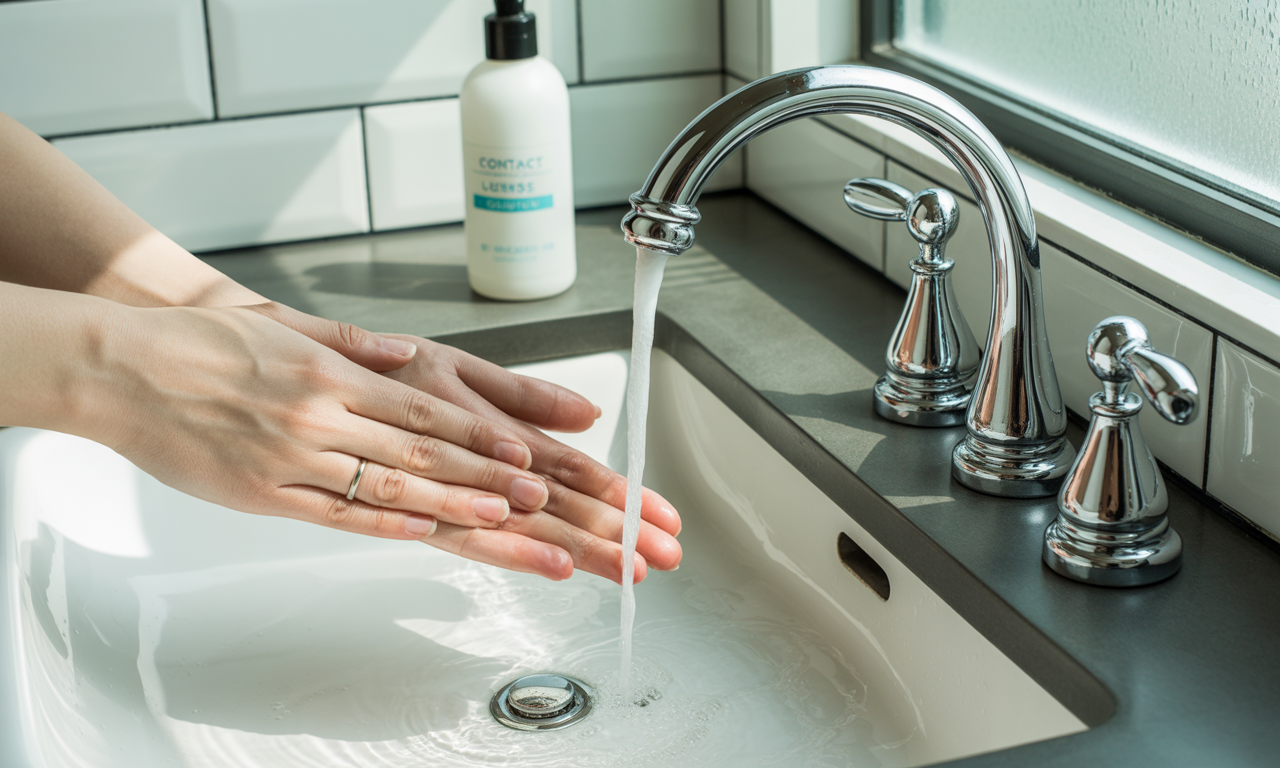
- 🧼 Hand Hygiene: Washing with soap and water before handling lenses
- 💧 Approved Solutions: Avoiding tap water or homemade mixes
- 📅 Replacement Schedule: Daily, biweekly or monthly as prescribed
- 🚫 No Sharing: Preventing cross-contamination
Yet many skip these steps. A 2024 survey by Harvard Health (Harvard Health) found that 30% of wearers admit to occasional lens overuse, risking corneal hypoxia and infections. Even colored lenses from FreshLook carry the same hazards if hygiene lapses.
| Risk Factor ⚠️ | Potential Effect 👁️ |
|---|---|
| Poor Cleaning 🦠 | Microbial Keratitis |
| Sleeping in Lenses 😴 | Corneal Ulcers |
| Extended Overwear ⏰ | Hypoxia & Redness |
| Water Exposure 💦 | Acanthamoeba Infection |
Professional guidance from optometrists remains the first line of defense. A tailored lens type—whether Air Optix for breathability or Biofinity for all-day comfort—ensures better fit and fewer complications. The key insight: advanced materials offer safety uplifts, but user diligence is essential.
Balancing Benefits and Risks of Contact Lens Wear
Contact lenses deliver clear advantages over glasses: an unobstructed field of vision, secure fit during sports and an aesthetic boost through brands like FreshLook. Yet each benefit accompanies potential drawbacks if protocols slip.
Advantages that Drive Popularity
- 🔍 Full Field Vision: No frames obstruct peripheral sight, ideal for drivers and athletes.
- 🏃️ Active Lifestyle: Stable placement during exercise and outdoor activities.
- 🎨 Cosmetic Appeal: Colored lenses by CooperVision and FreshLook add versatility.
- 🏬 Convenient Access: Subscription services through Vision Direct ensure timely deliveries.
In 2025, around 45 million Americans rely on contacts, and 90% prefer soft lenses. Market leaders Johnson & Johnson’s Acuvue and Alcon’s Dailies dominate daily disposables, minimizing cleaning demands.
Real Risks Lurking Behind Daily Wear
- ❌ Infections: From bacterial keratitis to fungal and Acanthamoeba threats.
- ❌ Corneal Ulcers: Open sores that can scar and impair vision.
- ❌ Dry Eye Syndrome: Disrupted tear film, aggravated by low-water lenses.
- ❌ Allergic Reactions: Sensitivity to lens materials or preservatives.
| Benefit 🎯 | Associated Risk ⚠️ |
|---|---|
| Enhanced Mobility | Dislodgement & Abrasion |
| Fashion Flexibility | DIY Lenses from Unverified Sources |
| Reduced Fogging | Overwear Leading to Hypoxia |
| Convenience | Skipping Eye Exams |
Case Study: Emily, a triathlete, once ignored lens guidelines, leading to painful keratitis. Only after a visit triggered by acute redness did she adopt a regimented routine with Bausch + Lomb solutions and daily disposables, preventing recurrence.
Weighing benefits against hazards reveals that safe wearing hinges on informed choices, not the technology alone.
Identifying and Managing Common Contact Lens Issues
Despite proper training, wearers can encounter irritation, dryness and visual disruptions. Recognizing early symptoms ensures prompt action and prevents escalation.
Typical Symptoms and Their Causes
- 😣 Redness & Irritation: Protein or lipid deposits on lens surfaces.
- 🔥 Burning Sensation: Linked to allergies or mild infections like conjunctivitis.
- ⏳ Blurred Vision: From dusty or poorly fitted lenses.
- 💦 Dry Eyes: Tear film instability worsened by low-water lenses.
| Symptom 🤔 | Possible Trigger 💡 | Recommended Action 🩺 |
|---|---|---|
| Red Eyes | Deposit Build-up | Daily Cleaning & Case Change |
| Burning | Allergic Reaction | Switch Solution Free of Preservatives |
| Blurred Sight | Lens Damage | Inspect & Replace Immediately |
| Itchiness | Pollen or Airborne Irritants | Use Rewetting Drops |
Alex once experienced sudden blurriness mid-meeting. A quick lens swap solved it, but repeated episodes led to a discovery of minor scratches on older lenses. Replacing with new Biofinity lenses eliminated the issue.
Troubleshooting common problems through consistent checks and prompt replacements can keep lens wear trouble-free.
Essential Care Practices for Long-Term Eye Health
Robust maintenance protocols distinguish safe wearers from those courting complications. Eye experts advise comprehensive routines that integrate hand hygiene, case rotation and professional check-ups.
Daily and Weekly Maintenance Steps
- 🖐️ Hands First: Soap-and-water wash before touching lenses or eyes.
- 💦 Approved Solutions Only: Never rinse in tap water or saliva.
- 📆 Scheduled Replacement: Daily disposables (Acuvue Oasys 1-Day), biweekly or monthly cycles.
- 🔄 Case Hygiene: Rinse with fresh solution and air dry daily; replace every 3 months.
| Task 🔧 | Frequency 🗓️ | Outcome 🌟 |
|---|---|---|
| Clean Lenses | Every Night | Remove Deposits |
| Change Case | Quarterly | Reduce Contamination |
| Rewet Drops | As Needed | Alleviate Dryness |
| Eye Exam | Annually | Monitor Eye Health |
Resources like the UnitedHealthcare guide and the Optometrists’ checklist reinforce these steps. High-oxygen Air Optix and breathable Biofinity also help maintain corneal health when paired with proper care.
In essence, disciplined care habits are the bedrock of avoiding infections and preserving vision clarity over decades.
Advanced Solutions and Professional Guidance for Safe Contact Use
Looking beyond basic routines, the next frontier involves personalized lens technology and tele-optometry. Innovations from CooperVision, Johnson & Johnson and Alcon now include custom-fitted scleral lenses and AI-powered fit analysis.
Emerging Technologies Transforming Lens Wear
- 🤖 AI Fitting Tools: Smartphone scans for custom lens curvature.
- 📡 Tele-Optometry: Remote check-ups track lens fit and ocular health.
- 🌡️ Smart Lens Materials: Temperature-sensing polymers adjust moisture levels.
- 💻 Online Platforms: Vision Direct and other portals facilitate doctor-approved lens deliveries.
Emma, a teleworking graphic designer, used an AI tool to determine that Biofinity toric lenses would reduce her astigmatism more effectively than her previous Acuvue model. This tailored approach, backed by a virtual consultation, minimized trial-and-error discomfort.
| Innovation 🚀 | Benefit ✅ | Provider 🏢 |
|---|---|---|
| AI Fit Analysis | Custom Comfort | CooperVision |
| Smart Hydration | Reduced Dryness | Alcon |
| Remote Exams | Convenience | Johnson & Johnson |
| Online Ordering | Timely Replenishment | Vision Direct |
For individuals hesitant about self-management, in-office visits to an eye doctor ensure accurate prescriptions, whether for daily Dailies or specialty rigid gas permeable products. Online resources such as WebMD and OptiGlow Hub offer balanced insights on lenses versus glasses.

Embracing advanced solutions under professional oversight elevates safety and comfort, marking the future of contact lens wear.
FAQ on Safe Contact Lens Wear
Is it safe to wear contact lenses every day?
Yes, wearing lenses daily is safe if you adhere to proper cleaning, rest periods and replacement schedules. Daily disposables like Johnson & Johnson’s Acuvue Oasys 1-Day eliminate cleaning tasks and lower contamination risk.
Can contact lenses make my eyesight worse?
No, when used correctly they do not damage vision. However, overuse or poor hygiene can cause temporary or permanent eye issues. Regular exams and avoiding extended wear reduce these risks.
What should I do if my eyes feel irritated?
Immediately remove lenses, rinse with approved solution, and rest your eyes. If irritation persists, consult your eye doctor to rule out infections or fit issues.
Are cosmetic lenses as safe as prescription ones?
Cosmetic lenses by FreshLook and CooperVision are safe if FDA-approved and worn under an eye care provider’s direction. Unregulated, costume-only lenses pose high infection risks.
How can I minimize dry eye while wearing contacts?
Choose high-water and oxygen-permeable brands like Air Optix plus daily rewetting drops. Limiting screen time and using blink reminders also help maintain tear film stability.