On this page
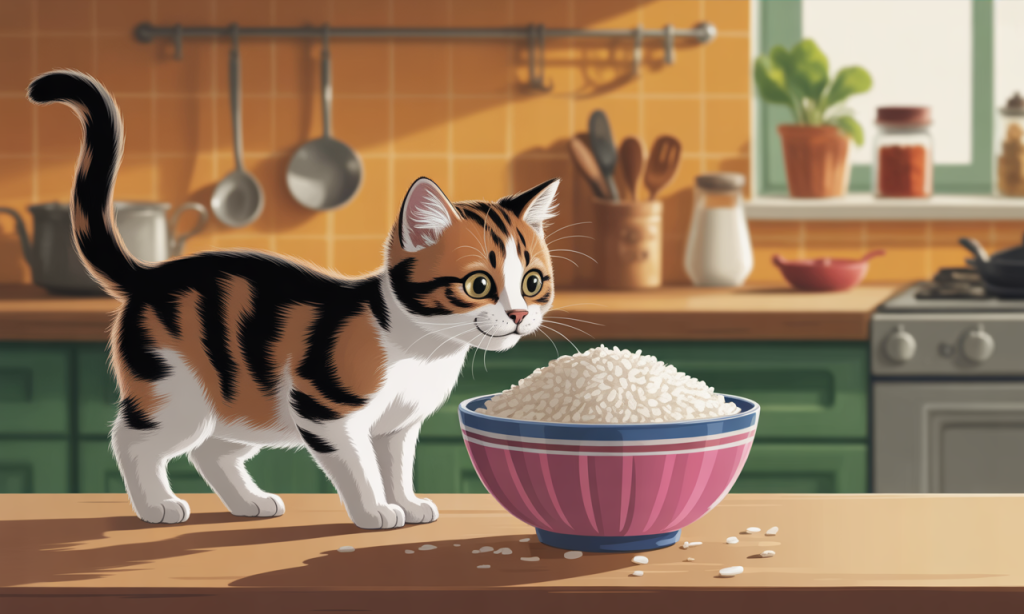
In the world of feline nutrition, carbohydrates often play second fiddle to protein-packed meals, yet the humble grain of rice sparks curiosity among cat owners seeking safe dietary additions. As obligate carnivores, cats thrive on meat, yet few realize that tiny portions of well-prepared rice can serve as a bland filler during digestive upsets or an occasional treat when blended with protein. Veterinary experts, including those at Vet Explains Pets and PawsRank, consistently note that while rice is non‐toxic, it doesn’t replace the essential amino acids found in quality cat foods.
Across commercial brands like Purina, Hill’s Science Diet, and Royal Canin, you’ll occasionally find rice in formulations aimed at gastrointestinal relief. Yet, as debates over white versus brown rice evolve, cat guardians weigh digestibility against nutritional density. This article unpacks five key angles—from feline digestive physiology and rice types to safe preparation practices, potential hazards, and alternative sources—backed by research from PangoVet and Pawlicy. Each section is enriched with practical tips, illustrative anecdotes, and guidance on how brands like Blue Buffalo, Wellness, Iams, Nature’s Variety, Nutro, Merrick, and Sheba incorporate rice safely. By exploring expert links—such as PetMD and HowStuffWorks—this guide keeps owners informed and their whiskered companions purring with health.
Can Cats Safely Digest Rice? Feline Nutrition Essentials
Though many cat lovers assume grains belong strictly to canine diets, small amounts of cooked rice can serve as a mild filler when a cat’s stomach is upset. According to Can My Cat Eat That?, rice is non‐toxic but lacks vital nutrients such as taurine, specifically vital for heart and eye health. Understanding how a cat’s system processes carbohydrates demystifies when rice might be helpful and when it becomes mere empty calories.
Cats are obligate carnivores, meaning their metabolism is fine-tuned to extract amino acids and fats from animal sources, not plant-based starches. When fed too much rice, felines risk nutrient dilution, where stomach capacity is occupied by suboptimal calories. However, veterinarians sometimes recommend white rice in bland diets for cats recovering from gastroenteritis, pairing it with boiled chicken in a 2:1 protein-to-carb ratio.
- Digestive simplicity: Rice is easy on the gut, helping bind stools during diarrhea.
- Low allergenicity: Fewer cats show grain allergies to rice compared to wheat or corn (cats-raw-eggs-safety).
- Availability: Almost every pantry has rice, making it a quick home remedy.
- Energy source: Provides short‐term glucose, supporting lethargic cats.
Even brands focused on holistic formulas, like Wellness and Nature’s Variety, occasionally use rice as a secondary ingredient to balance kibble texture. Yet, medical-grade diets lead with protein and include rice sparingly. Pro tip: Always cook rice thoroughly and rinse off excess starch to aid feline digestion. Insight: While rice can soothe an upset stomach, it should never overshadow protein needs in cat nutrition.
White Rice vs Brown Rice for Cats: Key Nutritional Contrasts
Deciding between white and brown rice for a cat’s occasional snack involves examining fiber content, mineral availability, and digestibility. Unlike humans who may favor brown rice for its nutrient density, felines struggle to break down the bran layer, leading to possible bloating and gas. Research highlighted by The Cat Space emphasizes white rice’s simplicity—its bran and germ removed—which reduces fiber but enhances starch availability.
Brown rice does contain more vitamins B and E, plus trace minerals like magnesium and zinc, yet a cat’s digestive tract isn’t optimized for lengthy fiber fermentation. Kibble formulas from Iams or Nutro often stick to white rice to maintain consistency and palatability.
- Carbohydrate absorption: White rice spikes blood sugar faster; brown rice releases it slowly.
- Fiber content: Brown rice has roughly twice the fiber, which can irritate sensitive tummies.
- Preparation time: White rice cooks faster—advantageous in urgent care meals.
- Digestive burden: Brown rice may lead to increased flatulence and discomfort.
A quick experiment: veterinarians recommend a taste test by mixing both types into a small portion of regular food and observing stool consistency and appetite the next day. If digestion remains stable, a tiny brown rice garnish is acceptable, though white rice often wins in bland diet plans.
Insight: While brown rice offers more micronutrients, white rice’s digestibility makes it the go-to choice for feline sensitive diets.
How to Introduce and Portion Rice in Your Cat’s Diet
When offering rice to a cat, gradual introduction and precise measurements prevent dietary shock. A kitten’s tiny digestive tract is less tolerant than an adult’s, so start with a quarter teaspoon of fully cooked, cooled rice mixed into their wet food. Sources like PetMD suggest a cautious ramp-up over 3–5 days, watching for vomiting, diarrhea, or refusal to eat.
Avoid uncooked grains—they can harbor lectins causing inflammation (cats-raw-chicken-safety)—and never add salt, oil, butter, or spices. In residences using cast iron pans, ensure no residual seasoning leads to metal traces, checking guidelines at safe-water-filters-drinking for complimentary kitchen safety.
- Day 1–2: 0.25 tsp rice + 1 tbsp wet food.
- Day 3–4: 0.5 tsp rice + 1 tbsp wet food.
- Day 5+: up to 1 tsp rice if no digestive issues arise.
- Frequency: Limit rice meals to 1–2 times weekly.
Another method involves pureeing rice with boiled chicken breast—mash to a pâté consistency—then freeze single servings for emergencies. According to PangoVet, this blend offers balanced protein and low-fat carbs during bouts of nausea.
Insight: Introduce rice incrementally and keep portions minimal; its role is supportive, not foundational, in a cat’s diet.
Risks, Allergies, and Alternatives to Rice for Cats
While rice might calm a queasy stomach, overreliance can lead to nutrient imbalances and weight gain, a common issue in indoor felines. According to HowStuffWorks, excessive carbohydrates in cats can trigger obesity, insulin resistance, and related conditions. Some felines also exhibit sensitivity to grains, manifesting in itchy skin or chronic ear infections.
If allergies are suspected, veterinarians recommend an elimination diet—removing rice and monitoring for 4–6 weeks, then reintroducing to see if symptoms recur. Brands like Blue Buffalo and Merrick offer grain-free alternatives, swapping rice for peas, lentils, or tapioca.
- Allergic reactions: Rashes, hair loss, head shaking.
- Digestive upset: Gas, bloating, loose stools.
- Metabolic concerns: Excess carbohydrate load can stress pancreas.
- Long-term effects: Deficient taurine levels if carbs displace meat.
Consider these substitutes for balanced energy:
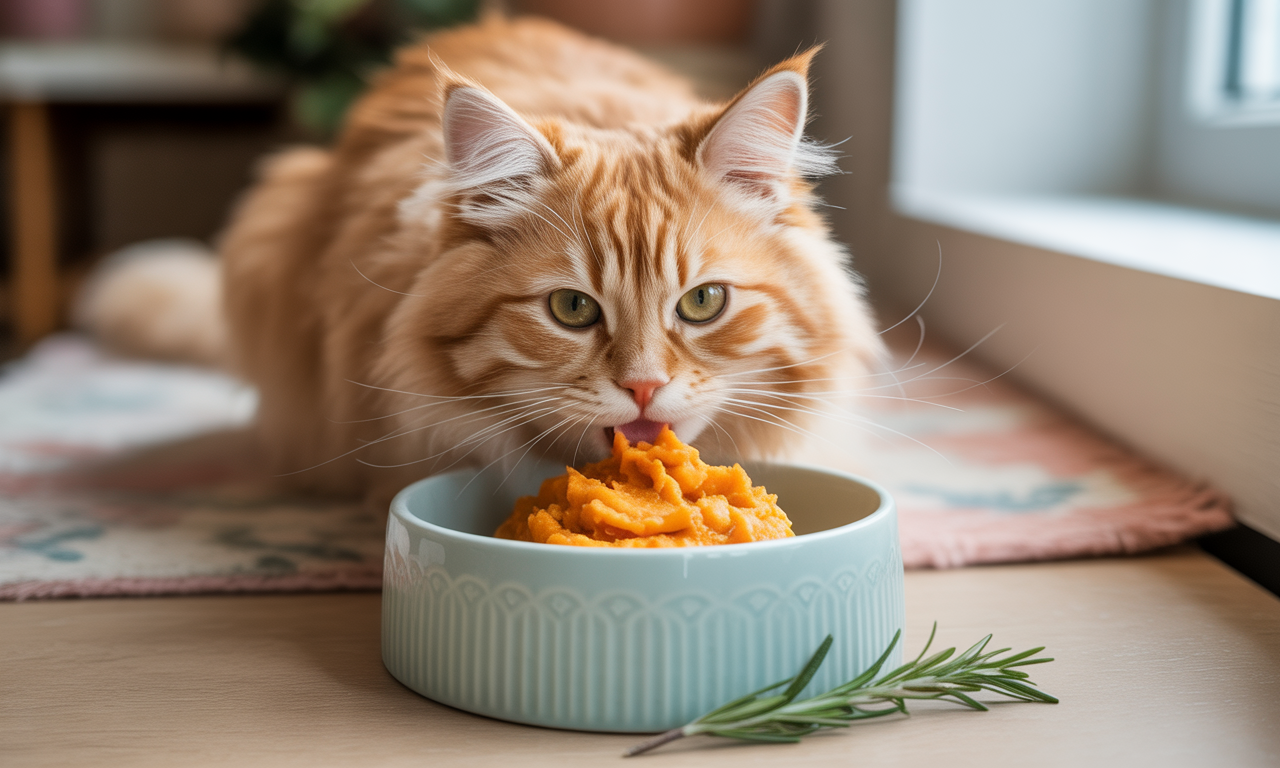
- Sweet potatoes: High in beta-carotene and fiber.
- Pumpkin: Low-calorie, readily accepted by cats.
- Green peas: Gentle on digestion, found in many kibble recipes.
- Lentils: Rich in plant protein and fiber.
Cooking safety is crucial: avoid aluminum foil unless you follow advice at aluminum-foil-cooking-safety, and choose non-stick or cast iron pans per safe-cast-iron-pans-2025 guidelines to prevent accidental seasoning contamination.
Insight: Rice can be a short-term fix but explore grain-free options to maintain feline health and safeguard against allergies.
Commercial Diets and Recipes Featuring Rice: Brand Insights
Several pet food brands incorporate rice strategically for texture, palatability, and digestive support. Hill’s Science Diet Gastrointestinal Biome features prebiotic fiber with rice, while Purina Pro Plan Veterinary Diets uses rice in select recovery formulas. These recipes target cats with sensitive digestion, backed by clinical trials showing improved stool consistency.
Other brands, such as Royal Canin and Sheba, occasionally include rice in limited-ingredient lines designed for gastrointestinal stress. Iams Healthy Naturals and Nutro Wholesome Essentials add measured rice flour to enhance kibble texture without overloading carbs. Even Merrick implements rice in “Grain-Friendly” lines, combining it with quinoa and oats for balanced fiber.
- Brand formulas using rice selectively for digestive health.
- Recovery diets featuring a 3:1 protein-to-rice ratio.
- Limited-ingredient recipes to isolate potential allergens.
- Grain-friendly blends pairing rice with other gentle carbohydrates.
Home-cooked enthusiasts can replicate these profiles by mixing: 50% boiled chicken, 30% rice, and 20% pureed vegetables. Freeze in silicone trays for portion control. Always thaw and warm gently—refer to vet blogs like Pawlicy and Catster for recipe ratios.
Insight: When correctly formulated, rice enhances texture and aids digestion without replacing core protein sources in premium feline diets.
Frequently Asked Questions
Can kittens eat rice?
Kittens have sensitive digestive tracts, so rice should be introduced after six months in very small amounts, ideally pureed and mixed with formula or kitten food to prevent nutrient gaps.
Is brown rice safe if cooked thoroughly?
Properly cooked brown rice is non‐toxic but may cause gas due to higher fiber. White rice remains preferable for cats with gastrointestinal issues.
How often can I feed rice to my adult cat?
Limit rice to once or twice a week, offering no more than 10% of daily calories to maintain a protein-rich diet.
Are there rice-free commercial diets for cats?
Yes, brands like Blue Buffalo, Nature’s Variety, and Wellness offer grain-free formulas using peas, lentils, or tapioca as carbohydrate sources.
What should I do if my cat shows allergic reactions?
Discontinue rice immediately, consult your veterinarian for an elimination diet, and consider limited-ingredient, grain-free options to pinpoint triggers.