On this page
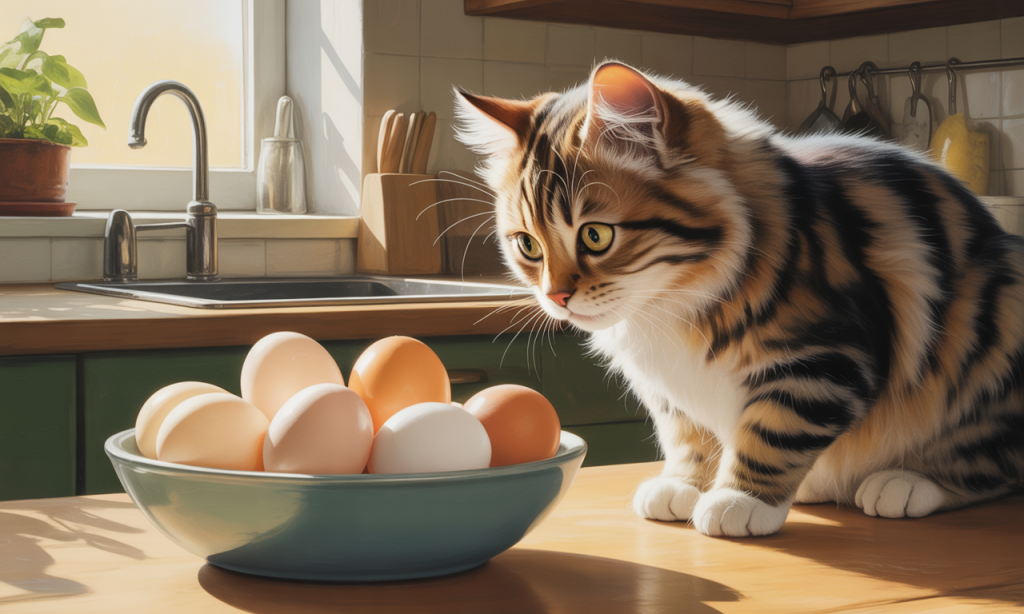
Curiosity and caution collide when contemplating whether feline friends can safely consume raw eggs. Often regarded as a protein powerhouse in human breakfasts, raw eggs introduce hidden dangers for obligate carnivores. From potential bacterial threats like Salmonella and E. coli to disruptions in vital vitamin absorption, the raw egg dilemma demands careful scrutiny. Wild ancestors may have dined on uncooked prey, but domesticated cats face a different risk-reward balance in 2025’s pet-care landscape. Veterinary guidelines emphasize moderation and proper preparation, guiding owners toward cooked egg whites or high-quality commercial options enriched with essential nutrients. As brands such as Purina, Hill’s Science Diet, Blue Buffalo, and Royal Canin innovate feline recipes, the role of eggs shifts from raw novelty to controlled ingredient. This article delves into the multifaceted considerations around raw eggs: health hazards, nutritional imbalances, culinary safeguards, fortified cat foods, and monitoring protocols, equipping guardians with practices grounded in the latest veterinarian research.
Health Risks of Raw Eggs for Cats
Raw eggs may appear natural and nutritious, but they harbor significant hazards for our feline companions. The primary concern is bacterial contamination: Salmonella and E. coli can thrive in uncooked egg matrices, leading to gastrointestinal distress or systemic infections. While adult cats may tolerate small bacterial loads, kittens and immunocompromised pets are especially vulnerable.
- Bacterial Infections: Symptoms include vomiting, diarrhea, dehydration, and lethargy.
- Foodborne Illness: According to the CDC, both pets and humans risk illness from raw eggs if contaminated (raw-eggs-health-risks-benefits).
- Cross-Contamination: Handling raw egg shells without proper sanitation can transfer pathogens to bowls, counters, and human hands.
Beyond bacterial threats, avidin—a protein found in raw egg whites—binds to biotin, a B-vitamin crucial for skin, coat, and metabolic health. Chronic consumption of raw whites can precipitate a biotin deficiency, manifesting as hair loss, dermatitis, and poor energy levels. Given cats’ high-protein requirements, the pursuit of extra protein via raw eggs often backfires, replacing balanced feline diets with unexpected deficits.

Insight: Even a single mistimed raw egg can compromise a cat’s health, underscoring the need for safer protein sources.
Nutritional Imbalances and Biotin Deficiency Risks
Cats thrive on diets tailored to their obligate carnivore nature, where amino acids, fats, and micronutrients must be precisely balanced. Raw eggs disrupt this harmony by introducing an overabundance of certain proteins while trapping vital vitamins. Avidin, present in uncooked whites, disables biotin absorption, skewing the nutrient profile vital for enzymatic functions, skin regeneration, and coat vitality.
- Biotin Depletion: Symptoms may emerge after weeks of raw egg consumption, including flaky skin and dull fur.
- Micronutrient Imbalance: Excessive egg protein can suppress appetite for complete commercial diets like Iams or Nutro.
- Allergic Reactions: Some cats develop hypersensitivity to egg proteins, leading to gastrointestinal upset or dermatitis.
Veterinary consensus in 2025 advises that egg-derived nutrients should come from cooked or pasteurized sources to neutralize avidin. High-quality commercial formulas—such as Wellness or Natural Balance—incorporate egg proteins in balanced proportions, ensuring biotin remains bioavailable. Transitioning a cat from raw eggs to fortified diets often restores coat sheen and enzymatic stability within a month.
Insight: Preventing biotin deficiency hinges on proper egg preparation or selecting fortified pet foods.
Safe Alternatives and Cooking Methods for Feline Diets
Rather than exposing cats to raw eggs, owners can prepare safe egg-based treats that deliver protein without hazards. Lightly boiled or poached eggs, fully cooked until the white and yolk are firm, eradicate bacterial risks and deactivate avidin. Shredding cooked whites into bite-sized pieces transforms them into palatable snacks, ensuring easy digestion.
- Hard-Boiled Egg Whites: Chop and serve plain, avoiding salt or spices.
- Poached Egg Yolks: Offer sparingly due to higher fat content; ideal for underweight cats.
- Egg Omelet Strips: Minimal oil, cut into strips; suitable as a training incentive.
Prior to feeding, confirm the internal temperature reaches at least 160°F to eliminate pathogens. Consult reliable guides such as PetMD (PetMD on eggs) for step-by-step methods. Owners wary of cookware safety can explore ceramic options that avoid Teflon toxins (ceramic-cookware-safety).
Insight: Proper cooking transforms eggs from risky raw fare into a safe, nutrient-rich cat treat.
Commercial Cat Foods Incorporating Egg Protein Safely
Recognizing cats’ protein priorities, many brands have harnessed eggs in balanced formulas. Leading names—Purina, Blue Buffalo, Royal Canin, and Fancy Feast—blend pasteurized egg products with meats and supplements, delivering controlled amino acid profiles. Research from veterinary nutritionists confirms that pasteurization eradicates bacterial threats while preserving protein quality.
- Purina Pro Plan: Features egg albumin in weight-management diets.
- Royal Canin Feline Health: Uses pasteurized eggs in skin-and-coat formulas.
- Blue Buffalo Wilderness: Incorporates freeze-dried egg whites for high-protein snacks.
- Fancy Feast Gourmet Naturals: Blends egg yolk into canned varieties, balancing fat content.
- Sheba Sensations: Offers flaked egg recipes in premium wet meals.
These commercial diets undergo stringent testing to ensure nutrient completeness. Owners can review ingredient breakdowns via resources such as Daily Paws (DailyPaws on eggs) and PangoVet (PangoVet egg safety).

Insight: Commercially formulated cat foods allow egg-based nutrition without the raw-egg pitfalls.
Guidelines for Feeding Eggs and Monitoring Feline Health
Integrating eggs into a cat’s diet demands vigilance. Follow these guidelines to ensure safety and well-being:
- Consult Your Veterinarian: Especially for cats with diabetes, pancreatitis, or GI sensitivities (Vet Advises raw egg).
- Portion Control: Limit treats to 5–10% of daily calories; exclude salted or seasoned preparations.
- Regular Checkups: Annual exams catch nutrient imbalances early; monitor coat condition and stool consistency.
- Hydration and Hygiene: Provide fresh water; sanitize feeding areas to prevent cross-contamination (human-food-safety).
- Emergency Response: Watch for vomiting, diarrhea, or lethargy; seek immediate care if severe signs appear (Dial A Vet advice).
By maintaining a balanced approach and leaning on trusted brands—Iams, Nutro, Natural Balance—caretakers can satisfy feline palates safely. Incorporating occasional egg treats within a robust diet chart keeps whiskers twitching and health metrics on track.
Insight: Structured feeding protocols and vet collaboration transform egg treats into a safe culinary adventure for cats.
Frequently Asked Questions
- Q: Can kittens eat cooked eggs?
A: Kittens have immature immune systems and should only consume eggs if fully cooked and introduced in tiny portions after consulting a vet. - Q: Are pasteurized eggs necessary?
A: Pasteurized eggs eliminate most bacteria, making them safer than standard raw eggs. However, cooking remains the best practice. - Q: How often can adult cats have egg treats?
A: Limit to once or twice weekly, ensuring treats don’t exceed 10% of total daily calories. - Q: What signs indicate biotin deficiency?
A: Look for dull coats, skin irritation, hair loss, or digestive issues, and consult your vet if observed. - Q: Which commercial foods include egg safely?
A: Brands such as Purina Pro Plan, Royal Canin, Fancy Feast, Blue Buffalo Wilderness, and Sheba incorporate pasteurized egg proteins in balanced formulas.