On this page
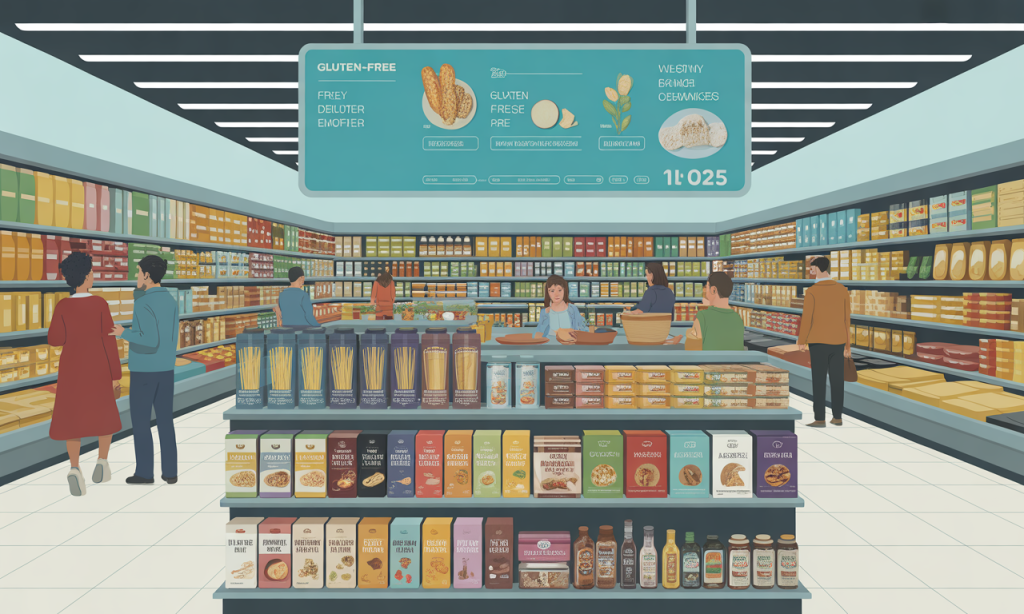
As gluten-free options proliferate on supermarket shelves and restaurant menus in 2025, questions about their safety have never been more pressing. Stricter regulations, groundbreaking research and shifting consumer expectations are reshaping the landscape for people with celiac disease and those pursuing a gluten-free lifestyle. Recent legal milestones—from the FDA’s expanded labeling rule for fermented and hydrolyzed foods to Illinois State Senate Bill 1288 mandating celiac-disease training for food handlers—underscore an industry under intense scrutiny. At the same time, scientific advances like gene-editing wheat proteins at UC Davis and rapamycin–gliadin nanoparticles promise novel routes to truly safe flours, while studies on arsenic accumulation in rice and traces of gluten transfer during kissing illuminate hidden risks.
Fortified by new data, consumers now weigh the nutritional trade-offs of rice-based substitutes against potential heavy-metal exposure, probe the reliability of beloved brands such as Bob’s Red Mill and Udi’s, and assess the integrity of gluten-free certifications. From regulatory tables to grocery lists, this analysis navigates the latest developments in labeling, research and market trends. Whether trusting an ultra-processed gluten-free snack or debating cross-contact at shareable tables, readers will gain an evidence-based guide to safe gluten-free consumption in 2025—and an insider’s view of the innovations, pitfalls and best practices shaping the industry’s next chapter.
Regulatory Landscape for Gluten-Free Labeling in 2025
Trust in a “gluten-free” label depends on rigorous standards enforced by authorities worldwide. In 2025, the voluntary FDA claim that foods containing less than 20 ppm gluten remains the benchmark in the United States, with the 2020 final rule now extended to fermented and hydrolyzed products. Meanwhile, the European Union debates harmonized rules after the Parliament Committee accepted a petition highlighting celiac inequalities across member states. On the state level, Illinois took a major step when Senate Bill 1288 passed, requiring all food handlers to complete training on celiac disease and safe gluten-free handling before serving customers.
Key regulatory milestones affecting consumers in 2025:
- 🔍 FDA Final Rule (2020): Defines “gluten-free” for fermented foods and hydrolyzed ingredients (source).
- 🏛️ Illinois SB 1288 (2025): Mandates celiac-disease training for food handlers in all licensed establishments.
- 🇪🇺 EU Petition (2025): Pushes for standardized gluten-free labeling and awareness across member nations.
- 🧪 Voluntary Testing Programs: Organizations like Gluten Free Watchdog audit manufacturing, with video explanations of the testing process (example).
| Year 📅 | Regulation 📜 | Scope 🌐 | Impact 🚀 |
|---|---|---|---|
| 2020 | FDA final rule | Fermented & hydrolyzed | Clarified labeling |
| 2023 | Gluten-Free Watchdog audits | Industry compliance | Improved transparency |
| 2025 | Illinois SB 1288 | Food-service training | Better handling |
| 2025 | EU petition | EU-wide labeling | Prospective harmonization |
Despite robust frameworks, gaps persist when imported ingredients slip through non-standard channels. Consumers are urged to consult trusted resources such as the National Celiac Association’s monthly updates and maintain vigilance when dining abroad or trying artisanal products without certified labels. Insight: Regulatory oversight continues to tighten, yet individual diligence remains crucial for ensuring that a “gluten-free” badge truly means safe.
Technological Advances in Gluten Mitigation and Testing
Emerging science is rewriting the playbook on gluten elimination. At the forefront, UC Davis researchers employed gamma radiation to delete clusters of alpha gliadin genes in wheat, yielding flour that bakes reliably while producing fewer immunogenic proteins. Parallel efforts probe targeted drug-delivery: rapamycin–gliadin composite nanoparticles (PLN-GR) in mouse models have significantly reduced intestinal inflammation and improved gluten tolerance. These innovations foreshadow a future where gluten-free ingredients blend molecular precision with culinary performance.
Among the most noteworthy studies in 2025:
- 🧬 Gene-Edited Wheat – UC Davis succeeds in removing alpha gliadins via gamma radiation, paving the way for safer bread-making. (read more)
- 💊 PLN-GR Nanoparticles – Rapamycin–gliadin complexes enhance gluten tolerance and curb inflammation in preclinical trials.
- 🩺 Kissing Study – Columbia University tests gluten transfer through kissing, finding occasional spikes above 20 ppm but minimal symptomatic impact. (details)
- 🔬 Non-Biopsy Diagnostics – Cleveland Clinic research confirms biopsy remains essential for 90% of adult celiac diagnoses despite high TTG-IgA thresholds.
| Innovation 🔧 | Institution 🏫 | Stage 🚦 | Potential Benefit 💡 |
|---|---|---|---|
| Gene-Edited Wheat | UC Davis | Pre-commercial | Better baking performance |
| PLN-GR Nanoparticles | Columbia University | Animal trials | Enhanced tolerance |
| Gluten Transfer Study | Columbia Celiac Center | Human pilot | Cross-contact insights |
| Non-Biopsy Strategy | Cleveland Clinic | Observational | Diagnostic refinement |
Advances in testing tools also gain traction. The LEO Gluten Tester, assessed by Gluten Free Watchdog, encountered mixed results when measuring wheat bread at home. Video tutorials now guide consumers through proper sampling and interpretation techniques, aiding those who probe every crumb for safety. For those curious about kitchen hazards, expert advice is available at tipsforsafety.com on why uncooked gluten-free flours still pose risks. Key takeaway: Cutting-edge research brings hope, but robust home testing and professional oversight remain indispensable.

Nutritional and Hidden Safety Concerns in Gluten-Free Substitutes
Gluten-free eating is not without nutritional trade-offs. Rice—an ubiquitous wheat substitute—absorbs arsenic from flooded paddies, prompting the American Journal of Gastroenterology to publish two April 2025 studies on arsenic levels in children newly on a gluten-free diet. Although urinary arsenic remained below acute toxicity thresholds, the implications of chronic low-level exposure remain uncertain. Similarly, a survey of 873 adults with celiac disease found persistent oral issues—enamel defects, aphthous ulcers, glossodynia—even on a strict gluten-free diet. These findings underscore that avoiding gluten doesn’t guarantee full health restoration without careful dietary planning.
Common nutritional hazards among gluten-free staples:
- 🍚 Arsenic in Rice – Bioaccumulation risk; rotate grains and favor certified low-arsenic sources.
- 🌾 Pseudo-cereals – Quinoa and buckwheat boost fiber and micronutrients but may carry pesticide residues.
- 🥞 Nut Flours – Almond and coconut flours can trigger allergies; consult guidance on seed safety (jackfruit seed safety).
- 🍝 Gluten-Free Pasta – Made from corn, legumes or lentils; possible heavy metals and arsenic—see also pasta safety.
| Substitute 🥣 | Nutrient Profile 📊 | Safety Concern ⚠️ | Mitigation Tip 👍 |
|---|---|---|---|
| Rice Flour | Low fiber; some B vitamins | Arsenic bioaccumulation | Alternate with sorghum/teff |
| Quinoa | Complete protein; magnesium | Pesticide residues | Choose organic brands |
| Almond Flour | Vitamin E; healthy fats | Allergen risk | Confirm cross-contact policies |
| Chickpea Pasta | High protein; fiber | Heavy-metal traces | Test small batches |
Ultimately, a varied diet rich in low-arsenic grains, pseudo-cereals and nutrient-dense vegetables helps offset potential deficits. Regular monitoring by a dietitian ensures that supplemental vitamins and mineral levels stay balanced. Essential insight: Gluten-free shoppers must look beyond the label, vet local sourcing and diversify grain intake to guard against hidden contaminants.
Market Trends and Brand Reliability for Gluten-Free Products
In 2025, the gluten-free category experiences rapid expansion, fueled by mainstream adoption beyond celiac disease. Whole Foods’ top trends—a fusion of global flavors, plant-based aquatic ingredients and compostable packaging—translate into countless new launches. Industry guides such as Christina Heiser’s food & drink forecast and FoodMoodDaily’s brand rankings highlight the standouts.
- 🛒 Bob’s Red Mill – Known for integrity in sourcing heirloom grains and nut flours.
- 🥯 Udi’s – Pioneers of shelf-stable breads with consistent crumb and taste.
- 🍪 Enjoy Life – Allergen-free cookies that marry sweet comfort with clean labels.
- 🌮 Glutino – Frozen burritos and bagels that perform in home ovens.
- 🥐 Schar – European-style pastries now widely distributed in North America.
- 🍞 King Arthur Baking Company – Flour blends tested to rigorous gluten thresholds.
- 🥞 Pamela’s Products – Buttermilk pancake mix with stable supply chains.
- 🍪 Simple Mills – Almond-based crackers tapping into keto-savvy audiences.
- 🌾 Namaste Foods – Specialty flours from teff, sorghum and millet.
- 🍫 Annie’s – Marketed toward families with organic pasta and graham crackers.
| Brand 🏷️ | Specialty 🍽️ | Certifications ✔️ | Consumer Rating 🌟 |
|---|---|---|---|
| Bob’s Red Mill | Ancient-grain flours | GF, Non-GMO | 4.8/5 |
| Udi’s | Artisan breads | GF, Kosher | 4.5/5 |
| Enjoy Life | Snacks & bars | GF, Vegan | 4.7/5 |
| Glutino | Frozen meals | GF, USDA Organic | 4.4/5 |
Shoppers should track launch announcements—87+ new products debuted in January alone (reports)—and utilize curated lists like Gluten D’Trotters’ safe options. Though an abundance of choice empowers, consistency in labeling, third-party audits and transparent sourcing remain the triad of trust. Final thought: Recognizable brands with established reputations and frequent independent testing tend to offer the greatest peace of mind.
Practical Tips for Safe Gluten-Free Living and Dining Out
Everyday life places unique demands on gluten-free consumers, from reading menus to navigating social gatherings. Coeliaque Québec’s 2025 survey of adults with celiac disease highlights challenges in explaining cross-contact risks to hosts, securing balanced meals, and advocating for safe options in restaurants. Meanwhile, case reports on small bowel adenocarcinoma in celiac patients emphasize early endoscopic evaluation when symptoms persist despite strict diets.
- 📋 Pre-Call Strategy – Contact restaurants ahead to confirm gluten-free training and separate prep areas.
- 🛍️ Smart Shopping – Refer to the comprehensive food list and purchase from brands with transparent testing records.
- 👩⚕️ Medical Follow-Up – Schedule periodic antibody tests and consider re-biopsy if symptoms reappear.
- 🍳 Home Precautions – Use color-coded utensils and pack extra snacks when traveling to avoid accidental exposure.
- 🔍 Audit Tools – Invest in at-home gluten testers and review instructional videos at Gluten Free Watchdog’s channel.
| Scenario 🎯 | Best Practice 👍 | Tool/Resource 🛠️ |
|---|---|---|
| Restaurant Dining | Pre-call & menu review | Illinois SB 1288 training |
| Travel | Bring GF snacks | Portable gluten tester |
| Grocery Shopping | Check certification | GF Watchdog reports |
| Symptom Recurrence | Medical re-evaluation | Endoscopy & microscopy |

Ultimately, informed vigilance transforms worry into confidence. By combining proactive communication, reliable tools and a diversified diet, gluten-free living becomes not just safe but sustainable. Key takeaway: Empowerment stems from knowledge—read labels, ask questions and lean on certified brands for peace of mind. 😉
Frequently Asked Questions
- Q: What qualifies a product as gluten-free under FDA rules?
A: Foods must contain less than 20 ppm gluten, including fermented or hydrolyzed ingredients under the FDA final rule. - Q: Are rice-based gluten-free foods safe long-term?
A: Rice can bioaccumulate arsenic; experts recommend rotating grains and selecting certified low-arsenic sources. - Q: How reliable are at-home gluten testers?
A: Devices like the LEO Gluten Tester offer quick checks but require proper sampling; always cross-reference with lab testing when possible. - Q: Can cross-contact happen through kissing?
A: Occasional trace amounts can transfer, but studies show minimal symptomatic impact when partners rinse or wait briefly before kissing. - Q: Which gluten-free brands have the best safety records?
A: Established names like Bob’s Red Mill, Udi’s, Enjoy Life and King Arthur Baking Company consistently perform well in independent audits.