On this page
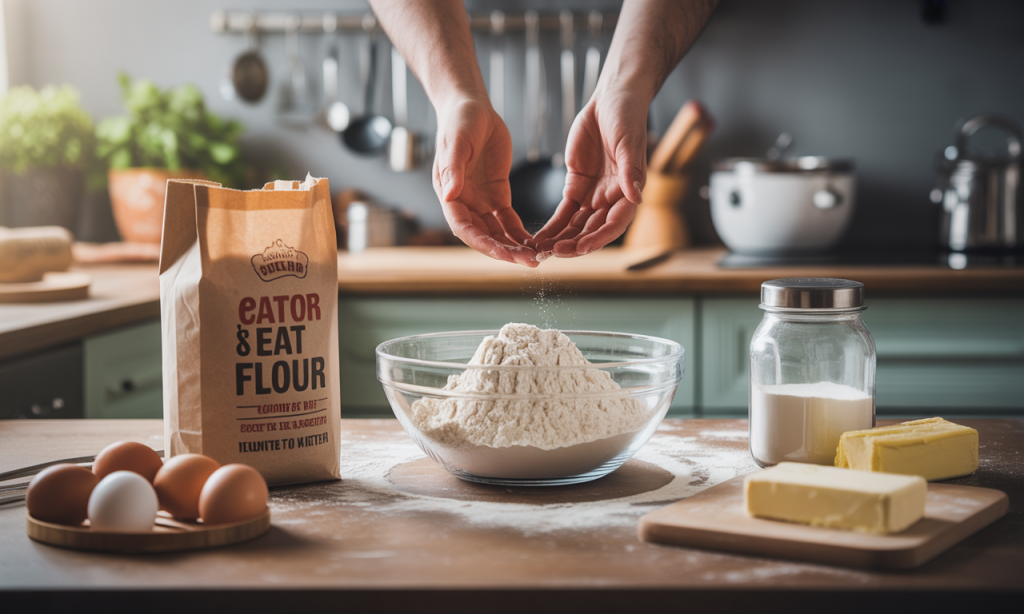
Raw flour has long been a staple in kitchens, found in everything from cookie dough to homemade craft projects. Yet, as tempting as it may be to sneak a taste straight from the mixing bowl, understanding the safety risks associated with consuming raw flour is more vital than ever. Despite its powdery appearance, flour is an uncooked agricultural product that can harbor harmful bacteria. The rise in public health advisories and multiple outbreaks linked to raw flour highlight a clear caution: it’s not just raw eggs or meats that require attention, but raw flour as well. As baking enthusiasts and home cooks navigate their culinary adventures in 2025, knowing when and how raw flour can or cannot be consumed safely is crucial for avoiding potential health hazards.
Understanding Why Raw Flour Is Unsafe to Eat: Health Risks Explained
Flour, a fundamental ingredient in countless recipes, might seem harmless when unraveled from its bag. However, it is essential to grasp why eating flour in its raw form poses significant health risks. Flour is typically produced by grinding grains such as wheat, rye, or oats that grow in open fields. These environments expose the grains to natural contaminants like animal feces and soil-borne bacteria, including E. coli and Salmonella. Importantly, the milling and packaging processes do not include steps to eliminate these pathogens, as flour is not “cooked” during manufacturing.
The Food and Drug Administration (FDA) and Centers for Disease Control and Prevention (CDC) have issued warnings aligned with multiple outbreaks of E. coli infections traced back to contaminated raw flour batches sold nationwide under various brand names like Gold Medal, Pillsbury, and King Arthur. These incidents resulted in dozens of cases, hospitalizations, and recalls, emphasizing that the threat is real, albeit statistically low.
Scientific studies reinforce that raw flour belongs among the top food categories connected with foodborne illnesses. Unlike vegetables or fruits, flour cannot be simply washed to remove bacteria. The powdery nature of flour facilitates its widespread contamination across kitchen surfaces and utensils, which can inadvertently lead to cross-contamination of ready-to-eat items. This reality makes practices such as eating raw cookie dough or adding raw flour to cold mixtures particularly risky.
- 🚫 Eating raw flour increases risk of contracting bacterial infections.
- 🦠 Pathogens like E. coli and Salmonella can survive in raw flour.
- 🧼 Flour dust spreads easily, increasing cross-contamination potential.
- ⚠️ Outbreaks linked to raw flour have occurred even with reputable brands like Bob’s Red Mill and Robin Hood.
- 🔍 Washing raw flour is ineffective in removing bacteria.
| Hazard 🔥 | Source | Potential Illness | Examples of Brands Affected |
|---|---|---|---|
| E. coli | Raw wheat grains | Diarrhea, abdominal cramps, kidney failure | Gold Medal, Pillsbury, King Arthur |
| Salmonella | Contaminated soil and animal contact | Fever, vomiting, severe gastroenteritis | White Lily, Hodgson Mill |
Ensuring safety requires more than just awareness; it involves comprehensive handling and preparation knowledge. Official information can be reviewed at reliable resources such as the University of Maryland Extension and Food Network’s expert guides.

Safe Handling and Preparation Methods to Avoid Raw Flour Risks
Minimizing risks associated with raw flour begins with understanding proper food safety protocols. The CDC has dedicated resources explaining the dangers linked to raw dough and flour and outlines clear behavioral guidelines to protect all household members, especially children, who often find raw dough irresistible.
Here are key steps for safe flour handling:
- 🧤 Always wash hands thoroughly with soap and water before and after handling flour to reduce bacterial spread.
- 🧽 Clean all surfaces, bowls, and utensils that come into contact with raw flour using warm soapy water.
- ❌ Avoid tasting or eating raw dough containing flour and raw eggs simultaneously, as they multiply contamination risks.
- 🚫 Do not allow children to play with or consume homemade Play-Doh or any raw dough crafted from raw flour.
- 👉 Keep raw flour separate from ready-to-eat foods to prevent cross-contamination.
- 🗑️ Stay alert for flour recalls and dispose of any recalled products immediately.
Manufacturers like Stone-Buhr, Great Value, and Arrowhead Mills may handle recalls according to batch and production dates; thus, regularly checking consumer safety notifications is advisable.
| Handling Practice | Recommended Action | Purpose |
|---|---|---|
| Hand Hygiene | Wash for 20 seconds with soap and warm water | Reduce bacteria transfer from flour to hands |
| Surface Cleaning | Wipe and sanitize all exposed kitchen surfaces | Prevent cross-contamination with other foods |
| Flour Separation | Store raw flour away from ready-to-eat items | Prevent bacteria migration |
| Recalls Monitoring | Dispose and report recalled flour immediately | Avoid accidental use of contaminated products |
For detailed safety procedures, refer to guidance from experts at Better Homes & Gardens and trusted food safety websites like Nutritious Bakes. In 2025, the emergence of online sources such as Tips for Safety offers convenient access to up-to-date raw flour and dough safety information.
Heat-Treating Flour: Strategies to Make Raw Flour Safe for Consumption
Despite the risks outlined, there remains a way to enjoy flour-based products safely without the need for traditional baking processes that fully cook the dough. Heat-treating flour is a process designed to eliminate harmful bacteria by applying sufficient heat without significantly impacting texture and taste in recipes like edible cookie dough.
There are two common heat-treatment methods for flour:
- 🔥 Microwaving: Spread the flour on a microwave-safe bowl or plate, heating for approximately one minute at high power. This raises the internal temperature to around 165°F (74°C), eliminating pathogens.
- 🔥 Oven Baking: Distribute the flour evenly on a baking sheet and bake at 300°F (149°C) for about 10 minutes or until flour reaches an internal temperature of 160°F (71°C). Allow it to cool fully before use.
Not only does this method ensure food safety, but it also enables the production of treats like edible cookie dough without raw eggs. Recipes using this process often combine heat-treated flour with ingredients from brands such as Robin Hood or Pillsbury, omitting eggs for an extra layer of safety.
| Heat Treatment Technique ⚡ | Duration | Target Temperature | Pros | Cons |
|---|---|---|---|---|
| Microwave | ~1 minute | 165°F (74°C) | Quick, convenient, no oven needed | Less even heating if not spread properly |
| Oven Baking | 10 minutes | 160°F (71°C) | Even heating, larger batch processing | Longer time, requires oven preheat |
For those who appreciate homemade edible dough, heat-treating flour is the safest way to indulge. Recipes and tutorials can be found at sites like Gluten Freely and Delish, offering step-by-step guidance for safe flour preparation.
The Nuances of Flour Varieties: Which Flours Are Safer to Consume Raw?
Not all flours are created equally in terms of safety when it comes to raw consumption. While common flours such as all-purpose, whole wheat, rye, oat, cake, and pastry flours are derived from raw grain and thus carry contamination risks, some specialty flours offer safer alternatives for raw usage.
Nut-based flours like almond flour, as well as coconut flour, are often produced through dry milling or grinding processes that do not involve raw grain exposure to contaminated fields, significantly reducing the likelihood of harboring harmful bacteria. These flours can generally be consumed raw with far less concern, making them popular choices for no-bake recipes and snacks.
- 🌾 All-purpose, whole wheat, cake flour: Must be cooked or properly heat-treated before consumption.
- 🌰 Almond, coconut flour: Typically safe to consume raw.
- 🧀 Some specialty flours: Check labels and safety info before raw consumption.
- ⚠️ Flour blends and mixes can contain raw grains; always verify contents.
- 🔍 Always follow manufacturer instructions regarding raw use, especially for brands like King Arthur and Bob’s Red Mill.
| Flour Type 🌟 | Source Grain/ Nut | Raw Consumption Safety | Common Uses |
|---|---|---|---|
| All-Purpose Flour | Wheat | Unsafe without heat treatment | Baking, thickening sauces, cookies |
| Whole Wheat Flour | Wheat | Unsafe without heat treatment | Bread, muffins, pancakes |
| Almond Flour | Almonds | Safe | Raw desserts, no-bake snacks |
| Coconut Flour | Coconut | Safe | Raw treats, smoothies, baking |
Consumers curious about varieties and safe applications of different flours can learn more from sources such as Kitchen Bun or Busby’s Bakery, which delve into specific brand and flour type safety assessments.

Recognizing Symptoms and Managing Risks After Raw Flour Exposure
Knowing the potential consequences of consuming raw flour is crucial for effective risk management and timely medical intervention. The FDA highlights that vulnerable populations—children under five, the elderly, and immunocompromised individuals—are more prone to severe effects from bacteria such as E. coli.
Typical symptoms following raw flour contamination include:
- 🤢 Abdominal cramps
- 💩 Diarrhea
- 🤒 Fever and vomiting in some cases
- ⚠️ Severe cases may involve kidney complications or prolonged infections
While most individuals recover within a week, it is crucial to seek medical assistance if symptoms intensify or last. Awareness of these signs helps contain outbreaks by avoiding further cross-contamination in the home or communal settings.
For responsible flour and dough handling, especially in households with young children or elderly members, detailed guidelines and educational materials can be found at platforms like Tips for Safety, reinforcing prevention tactics beyond flour itself.
| Symptom ⚡ | Severity | Population Most at Risk | Recommended Action |
|---|---|---|---|
| Diarrhea | Mild to moderate | All | Hydration and rest |
| Abdominal cramps | Mild to severe | Children under 5, elderly | Monitor symptoms, seek care if worsening |
| Kidney complications | Severe, rare | Immunocompromised | Immediate medical intervention |
Frequently Asked Questions About Eating Raw Flour
- Is eating raw flour always dangerous?
Not all flours pose the same risk, but consuming raw flour made from wheat or other grains without heat treatment is generally unsafe due to potential bacterial contamination.
- Can heating flour at home make it safe to eat raw?
Yes, heat-treating flour via microwave or oven baking to reach temperatures around 160–165°F effectively kills harmful bacteria, making it safe for raw consumption in recipes like edible cookie dough.
- Are flours like almond or coconut flour safe to eat raw?
Yes. Nut and coconut flours don’t carry the same contamination risks as grain-based flours and are typically safe to consume raw.
- What precautions should be taken when handling raw flour?
Thorough hand washing, cleaning surfaces and utensils, avoiding cross-contamination, and following recalls are critical safety measures.
- What symptoms indicate a foodborne illness from raw flour?
Watch for symptoms like diarrhea, abdominal cramps, fever, and vomiting. Medical attention should be sought if symptoms become severe or prolonged.