On this page

Equipped with the hum of a powerful motor and the precision of sharp blades, today’s food processors transform kitchens into creative laboratories. From classic Cuisinart models to innovative Ninja and Breville designs, these appliances promise to make home cooking faster and more enjoyable. Yet safety remains paramount. This article examines how to avoid common hazards—from electrical overloads to blade mishaps—while mastering attachments ranging from slicing discs to dough hooks. You’ll discover how industry leaders like KitchenAid and Magimix approach user protection, how the CDC’s four-step food-safety framework applies to machine care, and which cleaning routines extend your processor’s lifespan. Along the way, a fictitious cooking enthusiast, Emma, puts each tip into practice, building confidence one pulse at a time. Whether you’re blending homemade hummus or kneading pizza dough, understanding safety features ensures every recipe begins and ends without incident. Ready to unlock the full potential of your Hamilton Beach, Bosch, Philips, or Black+Decker food processor? Let’s dive into the essential guidelines and practical insights every home cook needs.
Essential Safety Precautions for Food Processor Use 🔒
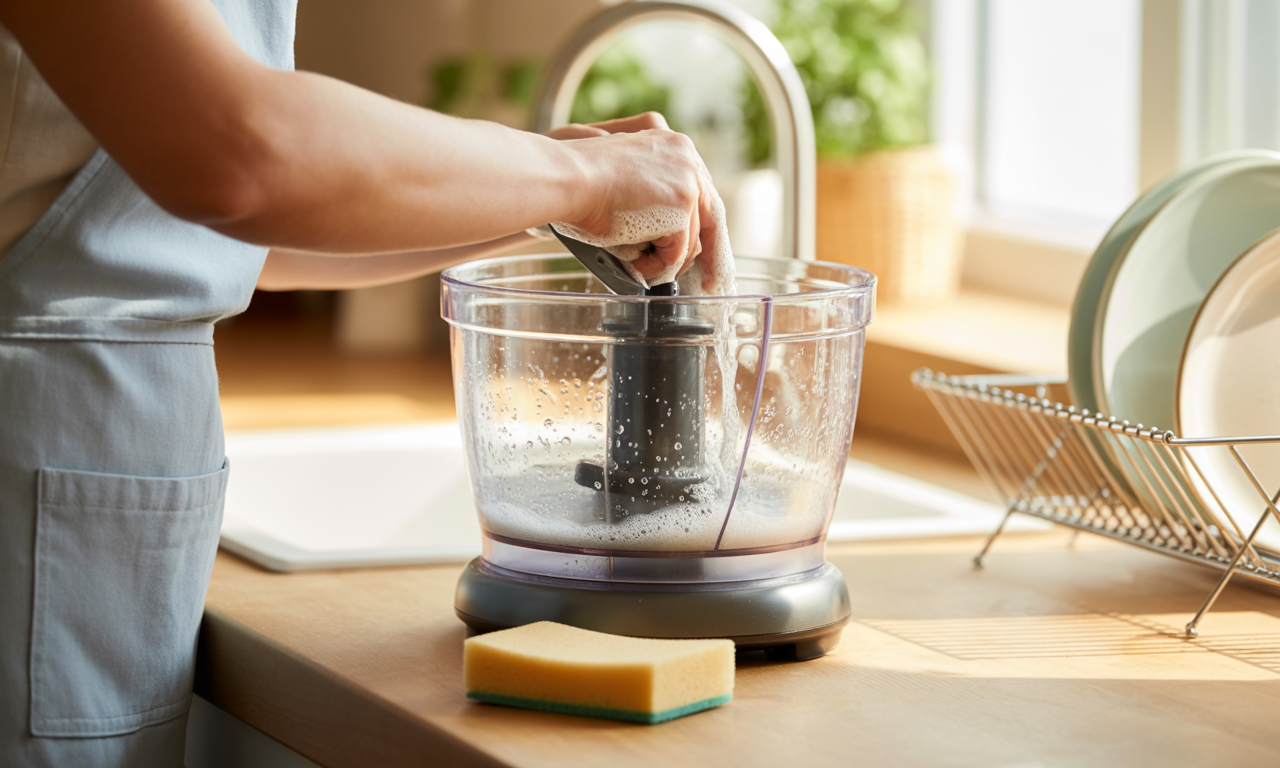
Before any cooking session, grounding safety steps reduces accident risks. Emma starts by reviewing her model’s manual—be it her sturdy Kenwood or her sleek Magimix device—ensuring familiarity with all components. A quick wash of bowl and attachments removes packaging residues. Placing the base on a flat, dry surface prevents wobbling, while keeping the cord away from water cuts electrical hazards.
Basic Setup and Grounding
Ensuring the processor sits securely on a non-slip mat or countertop is vital. Many Breville and Philips machines include suction feet for stability. Emma aligns the bowl and lid until they click, verifying that safety interlocks engage—a feature common to Ninja and Black+Decker brands.
- 📘 Read the user manual thoroughly.
- 🧼 Wash components in warm, soapy water.
- ↔️ Place on a level, dry surface.
- 🔌 Keep the power cord away from sinks and wet areas.
- 🔒 Verify that safety locks are engaged.
Electrical and Mechanical Safeguards
Food processors often include overload protection: the motor will shut off if strained. Emma always pulses rather than running continuously to avoid overheating. Adhering to the manufacturer’s duty cycle—usually noted in the manual—prevents premature wear.
| ⚙️ Feature | 🛡️ Purpose | ✅ Brands |
|---|---|---|
| Motor Overload Shutoff | Prevents overheating | Breville, KitchenAid |
| Safety Interlocks | Blocks operation if bowl/lid misaligned | Magimix, Ninja |
| Non-Slip Base | Ensures stable operation | Kenwood, Bosch |
For additional guidelines on food safety and contamination prevention, refer to the CDC’s recommendations on cleaning, separation, cooking, and chilling: cdc.gov/food-safety/prevention/index.html. Emma incorporates these steps religiously, wiping the base and wiping down her KitchenAid after each recipe. By building these routines, a home cook ensures that safety never becomes an afterthought. 🔑
Mastering Food Processor Components and Setups 🛠️
Food processors often seem complex, bristling with discs, blades, and adapters. To simplify, Emma maps out each part, labeling them on a diagram. This method works for Cuisinart, Hamilton Beach, and Breville machines alike. Identifying the S-shaped blade, dough hook, and slicing disc at a glance saves time and reduces frustration.
Drive Shaft and Blade Attachments
The core of any processor is the removable drive shaft adapter. It slides over the built-in drive pin, locking into place for secure rotation. Emma practices installing:
- 🔩 Insert the drive shaft into the bowl.
- ⚙️ Place the chosen blade or disc over the adapter.
- 🔐 Press down until an audible click confirms secure fit.
Between each attachment swap, Emma rinses the parts to remove debris, referencing her go-to tutorial: GoodHousekeeping’s guide.
| 🔪 Blade/Disc | 🍎 Ideal Use | ⏱️ Processing Time |
|---|---|---|
| S-Shaped Blade | Chopping, pureeing | 10–30 sec |
| Slicing Disc | Vegetable slices, cheese | 20–40 sec |
| Dough Blade | Bread and pizza dough | 60–90 sec |
Lid, Feed Tube, and Pusher System
Most modern units—Be it Philips or Ninja—feature a locking lid with an integrated feed tube. Emma fits the clear plexiglass lid, ensures its tabs are aligned, and slides in the pusher until it clicks. This prevents stray vegetables from escaping and keeps fingers safely out of harm’s way.
- 🔍 Check lid alignment marks.
- 🛑 Only add ingredients when blades have stopped.
- 🚫 Never use utensils to push food.
By mastering these components, Emma transitions from hesitant beginner to confident operator, ready to explore advanced recipes. This setup knowledge also makes switching between KitchenAid, Black+Decker, and Bosch units seamless. Insight: Familiarity with parts fosters efficiency and reduces errors.🔑
Advanced Recipes and Techniques with Food Processors 🍲
With safety and setup under control, Emma ventures into inventive culinary territory. She uses her Magimix to craft homemade almond butter, then swaps to a Ninja for silky ice cream. The possibilities span far beyond chopping. A key reference is the “Ultimate Guide for Home Cooks (2024)” by IntelliBed’s Alexa: alexa.intellibed.com.
Nut Butters and Plant-Based Milks
Emma starts by toasting almonds lightly, then processes them with a few drops of neutral oil. The high RPM blades break down cell walls for smooth texture.
- 🥜 Toast nuts for 5–7 minutes.
- 💧 Add 1–2 tbsp oil per cup of nuts.
- ⏲️ Pulse, then run continuously for 2–3 minutes.
| 🥥 Plant Milk | 🌊 Water Ratio | 🍯 Flavor Option |
|---|---|---|
| Almond Milk | 1:3 | Vanilla extract |
| Coconut Milk | 1:2 | Maple syrup |
| Cashew Milk | 1:4 | Salt pinch |
Dough and Batters
Crafting pizza or bread dough in a Bosch or KitchenAid processor saves manual kneading. Emma measures flour, yeast, salt, and water, then adds a touch of olive oil. The dough blade mixes and kneads in under 90 seconds, producing a smooth, elastic ball.
- 🍞 Combine dry ingredients first.
- 💧 Add liquids gradually.
- 🔄 Use the dough blade, not the S-shaped blade.
Once mastered, Emma experiments with batter for pancakes and cakes, achieving uniform lumps-free mixtures. Such versatility underscores why food processors remain kitchen essentials. Insight: Proper technique transforms a simple appliance into a gourmet ally.🔑
Troubleshooting and Maintaining Your Food Processor 🔧
Over time, issues may arise. Emma catalogs frequent problems, referencing Home Tech Buddy’s repair tips: hometechbuddy.com. From motor stalls to blade wobble, solutions often lie in routine checks and cleaning.

Common Issues and Fixes
| ⚠️ Problem | 🔍 Cause | 🛠️ Fix |
|---|---|---|
| Motor Overheating | Continuous run | Let cool 15 min |
| Blade Slippage | Worn adapter | Replace drive shaft |
| Leakage at Bowl Base | Damaged seal ring | Install new gasket |
- 🛁 Clean blades immediately after use.
- 🔄 Rotate seals monthly to prevent warping.
- 🔩 Check screws and fittings quarterly.
- 🧴 Lubricate seals with food-safe oil.
Deep Cleaning and Storage
Emma fills the bowl with warm water, a drop of dish soap, and pulses to remove stubborn bits. After rinsing, she air-dries parts on the top rack. The base gets wiped with a damp cloth—never submerged. Storage in a ventilated cabinet prevents mildew on seals.
Routine maintenance extends lifespan, whether the unit is a wide-capacity Kenwood, a sleek Philips, or a budget-friendly Hamilton Beach. Insight: Regular care ensures reliability and safety long term.🔑
Selecting the Right Food Processor for Your Kitchen 🛒
Choosing between a Bosch, Magimix, or Black+Decker model can be daunting. Emma writes down her needs: capacity, power, budget, and intended recipes. A model with at least 600 watts suits heavy-duty tasks, while a mini-chopper attachment suffices for salsa or dips.
Key Selection Criteria
| 🔎 Criterion | 🏆 Recommendation | 💲 Price Range |
|---|---|---|
| Power | 750–1000 W | £100–£250 |
| Bowl Capacity | 3–5 L for families | £80–£300 |
| Attachments | Multiple blades and discs | £50–£200 |
- 🏠 For small kitchens: compact Ninja or Philips mini units.
- 🍽️ For large batches: Cuisinart or Magimix full-size bowls.
- 🤹 Versatility: models with dough hooks and emulsifying discs.
- 💪 Motor strength: choose ≥600 W for toughest jobs.
Consult detailed comparisons on sites like DecorWithStyle and HomePrime. Emma’s final pick? A mid-range Breville with 900 W, a 4 L bowl, and six attachments. Insight: Matching features to habits optimizes investment and kitchen performance.🔑
Frequently Asked Questions
- Can I process hot liquids? Not recommended. Allow soups or sauces to cool slightly to avoid pressure build-up under the lid.
- How often should I change the seal ring? Inspect monthly; replace yearly or sooner if cracked to prevent leaks.
- Is a food processor better than a blender? They serve different functions. Use a processor for chopping and dough, a blender for liquid-only tasks. For more details, visit KitchenPearls.
- Can I sharpen blades? Yes. Remove and hand-sharpen using a whetstone at a 20° angle, or send to a professional service.
- What’s the best way to clean hard-to-reach areas? Use a soft brush or pipe cleaner before wiping with a damp cloth. Avoid immersing the motor base.