On this page
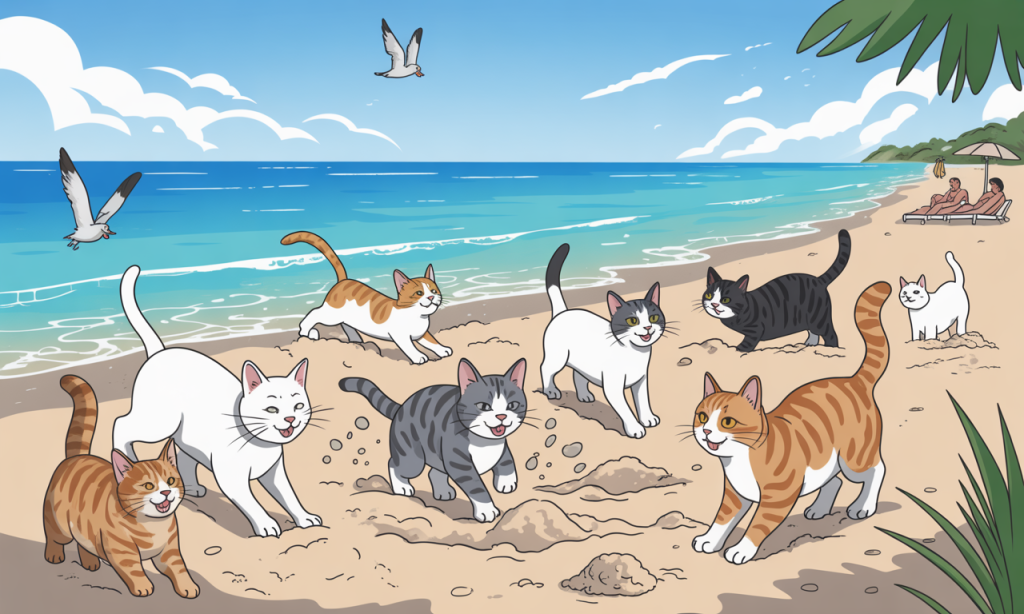
Sun-kissed sand and the gentle hum of waves often evoke images of carefree summer days. Yet, the idea of a cat padding along the shoreline might seem far-fetched to many. Still, feline enthusiasts have begun exploring this option in 2025, driven by innovative brands like PetSafe and Catit offering travel-friendly gear. From securing the perfect coastal spot to curating a kit that balances safety and fun, the process demands careful planning. Beyond the usual beach checklist—sunscreen, snacks, and shade—cats bring a unique set of needs that call for specialized carriers, hydration strategies, and protective measures against curious seagulls or playful dogs. Whether consulting a guide on Catster or reviewing vet-verified insights on PetShun, the consensus points toward a tailored approach.
In parallel, resources such as TipsForSafety’s camping tips and studies on feline hydration underscore the importance of rigorous preparation. This article dives deep into each aspect—covering everything from essential equipment by names like Outward Hound and Ruffwear to managing sandy paws and unpredictable tides. Ready to transform your cat’s routine? Let’s embark on a journey that reimagines what a purrfect beach day entails.
Preparing Your Feline Friend for a Day at the Beach
Before arriving at the shoreline, building familiarity with the outdoors sets the stage for a stress-free beach adventure. Cats, unlike dogs, often hesitate in unfamiliar settings. To bridge that gap, a step-by-step acclimatization routine can work wonders. It begins with short walks in a safe backyard or nearby park, using a well-fitted harness from Kurgo. Gradually increasing exposure to new sights, sounds, and textures helps your cat gain confidence.
Next, car rides play a pivotal role. For some felines, the gentle motion of the vehicle evokes anxiety, while others revel in the changing panorama outside the window. A sturdy carrier by Pawaboo or a travel-specific crate designed by Travel Cat ensures confinement without claustrophobia. Introducing comfort items—your cat’s favorite blanket or a familiar toy—provides reassurance.
Consulting a resource such as Travel Pander’s guide and PangoVet’s beach policy overview clarifies local regulations. Remember, not every coastal area permits cats; some only allow dogs. Verifying rules ahead of time prevents surprises and potential fines.
- Leash Familiarization: Spend 10–15 minutes daily having the cat walk around the house on a leash.
- Carrier Conditioning: Leave the carrier open at home with treats inside to encourage exploration.
- Sound Desensitization: Play recordings of seagulls or ocean waves at low volume, gradually raising the sound over several days.
- Mock Beach Setup: Lay a small sandbox indoors or in a quiet yard to simulate beach textures and smells.
- Routine Consistency: Keep feeding times and play sessions unchanged to reduce stress.
By weaving these steps into a week-long preparation plan, the cat’s anxiety levels decrease significantly. Moreover, brands like Litter-Robot now offer portable litter trays that can even double as sensory-mat stations for familiar bathroom routines. Such familiarity is vital: a confident cat can transition from backyard sandbox to real beach with far less fuss. The next step addresses on-shore safety essentials, guiding owners through the subtleties of sun exposure and hydration.

Ensuring Safety Under the Sun: Hydration, Shade, and Sunscreen
With preparation in place, the real challenge emerges under the summer sun. Cats are highly sensitive to heat; temperatures above 30°C (86°F) can spell trouble. Recognizing early signs of overheating—excessive panting, drooling, or lethargy—is crucial. Felines cannot sweat like humans; they rely mainly on paw pads and panting for cooling.
Hydration starts long before departure. Cats require roughly 1/2 cup of water per 5 pounds of body weight daily. In a hot beach setting, this amount can double. Collapsible bowls from Frisco attach easily to beach bags, while spill-proof water dispensers by PetFusion ensure a steady supply of fresh water. Portable misting fans, compact enough to fit in any cooler, also serve as quick-refresh solutions.
- Strategic Shade: Portable pop-up tents or beach umbrellas should be set up before the cat arrives, creating a safe retreat.
- Cat-Safe Sunscreen: Apply non-toxic sunscreen—especially on ears, nose, and eyelid edges—to prevent sunburn. Vet-approved formulas are available through PetsCare.
- Frequent Breaks: Schedule 10–15 minute breaks in the shade every half hour during peak sun.
- Water Refills: Check water bowls hourly and offer fresh water before dehydration sets in.
- Cooling Mats: Gel-based cooling pads provide a chill surface for cats to lie on without risk of frostbite.
Sunlight reflection off the sand can intensify UV exposure. Cats with light-colored fur or pink skin—like the Siamese or Sphynx—face higher sunburn risks. Applying a thin layer of sunscreen and repeatedly hydrating them mitigates these dangers. Additionally, avoid dawn-to-dusk extremes by targeting early mornings or late afternoons for beach visits.
These measures underscore the idea that a beach day is not merely about leisure; it’s a dynamic interplay between environment and feline physiology. Mastering these safety steps paves the way for optimal enjoyment—turning potential hazards into manageable variables. Next, attention turns to specialized gear that keeps cats secure during every leg of the journey.
Equipment Essentials: From Carriers to Harnesses for Beach Trips
High-quality equipment transforms a daunting beach outing into a structured adventure. The right carrier or crate is the cornerstone of transport safety. Models by Kurgo feature reinforced frames and breathable mesh panels, while Pawaboo backpacks allow gentle swaying motion that some cats find calming. Both options cater to cats that prefer enclosed spaces over open carriers.
Once on-site, a secure harness and leash ensure freedom of exploration without escape risk. Rugged designs from Ruffwear and Outward Hound boast quick-release buckles and reflective stitching for low-light conditions. Fitting the harness snugly but comfortably is vital—loose straps invite wriggling escapes, tight ones restrict breathing.
On the ground, portable pop-up tents offer shade and a confined play area. Products from Travel Cat provide mesh windows for airflow, while larger models by Frisco can double as temporary quarantine zones if interacting with unfamiliar animals. Integrating a foldable PetFusion litter tray inside keeps bathroom routines intact, leveraging innovations originally designed for home use.
- Dual-Function Carriers: Seek carriers with detachable pods that convert into ball pits or napping nests, adding enrichment value.
- Water-Resistant Mats: Beach environments can become muddy. Mats with non-slip bases ensure secure footing for litter trays.
- Tether Anchors: Sand anchors with retractable tethers let cats roam within a set radius—ideal for supervised play.
- Portable First-Aid Kits: Include antiseptic wipes, bandages, and a digital thermometer. Brands like PetSafe offer pre-assembled kits tailored to pets.
- Reflective Collars: Even in daylight, reflective gear increases visibility, especially near water’s edge.
Partnering sturdy equipment with a methodical setup routine eliminates stressors. For instance, setting up the beach tent before removing the cat from its carrier prevents a startling freefall into unknown terrain. The interplay between gear functionality and feline comfort supports a seamless experience. Up next, an exploration of natural hazards unique to coastal regions and strategies for navigating them.

Navigating Environmental Hazards and Wildlife at Coastal Shores
Coastal landscapes teem with surprises. From unpredictable tides to sandy surfaces that heat up like miniature furnaces, each element warrants attention. By 2025, several studies on feline outdoor safety—like those from FluffyTamer—highlight the importance of pre-visit scouting.
Hot sand can burn paw pads within minutes. Testing sand temperature with the back of a hand or specialized thermometers guides decisions on whether to let the cat explore on foot. If sand is too hot, shallow water edges provide a cooler alternative under strict supervision. For guidance on aquatic safety, review TipsForSafety’s swimming safety.
- Jellyfish Awareness: Stings from stranded jellyfish can be harmful. Keep a safe distance and carry vinegar for emergency rinsing.
- Crab and Shell Encounters: Teach cats to observe at a distance; sudden movements or pinches can provoke defensive reactions.
- Seabird Interactions: Shorebirds may swoop. A quick rescue plan—using a carrier or towel—prevents stress for both cat and bird.
- Tidal Changes: Research tide schedules. High tides can trap adventurous cats against rock formations or dunes.
- Beach Debris: Broken shells or fishing hooks pose puncture hazards. Inspect the area before unleashing playtime.
Beyond wildlife, interaction with other beachgoers and their pets demands vigilance. Dogs off-leash can trigger panic in cats; establishing a perimeter with a portable playpen helps maintain distance. For additional protocols on mixed pet areas, see CatCafeCentral’s policy guide.
Mitigating these variables transforms a beach outing from risky to well-managed. By anticipating environmental challenges and crafting solutions, owners can focus on observation rather than reaction. With hazards addressed, the next section delves into making the outing truly engaging—turning safety into seamless enjoyment.
Making the Beach Experience Enriching for Adventurous Cats
Once safety and gear align, the focus shifts to enrichment—stimulating cats’ natural curiosity. Coastal sensory experiences differ markedly from indoor life: the scent of saltwater, shifting textures under paw, and distant seabird calls all spark exploration. Structured play sessions leverage this novelty.
Interactive toys that float or glide over sand invite gentle chase without submersion. Brands like Outward Hound offer waterproof puzzle toys that dispense treats, encouraging mental engagement. Scatter feeding in shallow trays replicates hunting behaviors, making snack time both rewarding and stimulating. For safe treat ideas, consult TipsForSafety’s guide on strawberries and rice safety tips.
- Sand Dig Boxes: Portable trays filled with pet-safe sand let cats burrow without risk of ingesting harmful debris.
- Catnip-Infused Toys: Encourage play while keeping cats within supervised zones.
- Shallow Water Spoons: Offer small saucers of water for paw-dipping—ideal for hot days when full swimming is unsafe.
- Bird-Call Devices: Play discrete recordings to pique curiosity while monitoring stress cues.
- Photo Sessions: Use waterproof cameras to capture unique beach portraits—keeping sessions short prevents overstimulation.
For cats that appreciate altitude, erecting low platforms—such as sturdy driftwood logs—gives vantage points over the beachscape. Watching from above satisfies predatory instincts while preserving distance from hazards on the ground. Moreover, post-play cooldown routines—like gentle brushing and hydration—reinforce positive associations with beach outings.
By blending safety, equipment, and enrichment, beach days evolve into transformative experiences. Cats emerge calmer, more confident, and invigorated by stimuli seldom encountered indoors. Crafting such balanced adventures requires commitment but rewards both feline and owner with unforgettable seaside memories. Having traversed preparation, safety, gear, hazards, and enrichment, it’s time to address common queries that often arise.
Frequently Asked Questions
Can all cats enjoy a beach day?
Individual temperament varies widely. While some felines embrace new environments, others find them stressful. Gradual acclimatization and short trial visits help determine a cat’s beach-readiness.
What if my cat refuses to stay calm around dogs?
Creating a dedicated zone with a pop-up tent or playpen minimizes interactions. Use calming pheromone sprays and offer treats when dogs pass at a safe distance.
How often should I check my cat’s hydration?
In hot conditions, inspect water bowls every 30 minutes and offer sips proactively. Signs like dry gums or lethargy warrant immediate cooling measures.
Are there legal restrictions on cat-friendly beaches?
Yes. Policies differ by region—some public beaches ban pets, while private resorts may welcome them. Always verify local regulations online or via municipal offices.
What emergencies should I prepare for?
Common scenarios include minor cuts from shells, jellyfish stings, or heatstroke. A basic first-aid kit—sand-free gauze, antiseptic wipes, and vinegar—addresses many issues until veterinary care is available.