On this page
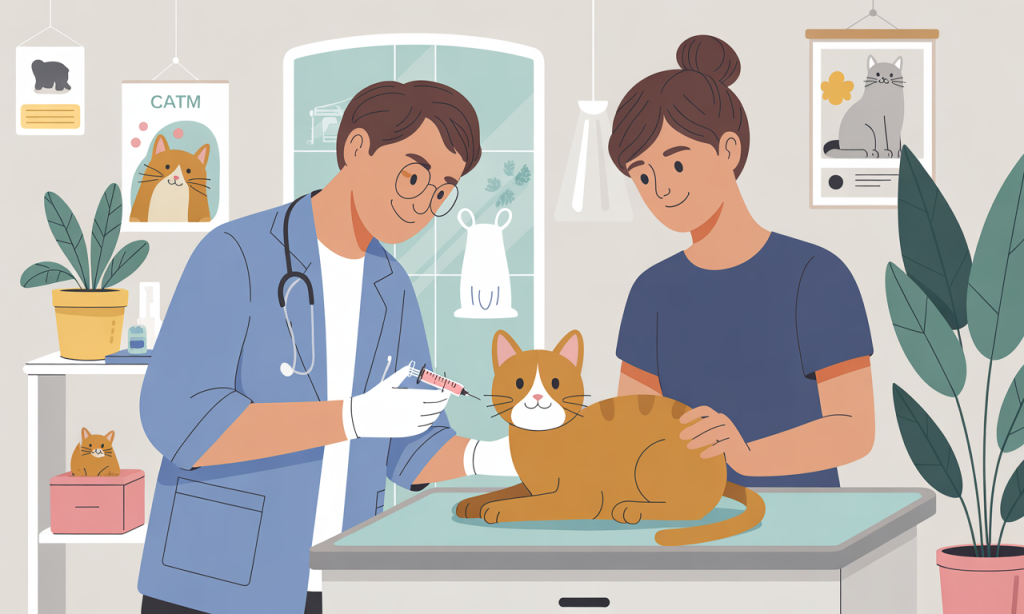
As pet parents navigate the evolving landscape of feline care in 2025, vaccination remains both a shield and a subject of debate. Grounded in guidelines from the Feline Vaccination Advisory Panel under the American Association of Feline Practitioners (AAFP), the community continues to refine recommendations to fit every whisker, temperament, and lifestyle. From the bustling catteries buzzing at the Purina-sponsored adoption drives to the quiet corners where a Royal Canin–fueled senior cat naps, understanding when and why to vaccinate is crucial. Experts draw on resources like CatTime, Cornell Feline Health Center and PetMD to align on core versus lifestyle shots. Whether it’s the shelter volunteer using MediVett kits or the urban explorer planning a feline-friendly trip to Athens, every decision impacts a cat’s resilience against diseases like panleukopenia, rabies and FeLV. How do you balance benefits and risks? This series of sections dives deep into the science, the storytelling, and the practicalities of vaccinating cats in today’s world.
Understanding Core Vaccines: Essential Protection Every Cat Needs
At the heart of any vaccination program lie the core vaccines, deemed indispensable by leading feline authorities. These shots guard against pathogens so pervasive and dangerous that skipping them poses unacceptable risks—not just to individual cats, but to households and communities. The three pillars include:
- Rabies Vaccine – Legally mandated in many regions, it protects against a zoonotic menace that threatens both cats and humans.
- FVRCP Vaccine – A triple-protection formula covering feline rhinotracheitis (herpesvirus), calicivirus and panleukopenia.
- FeLV Vaccine (for kittens) – Core for young cats, though later classified as lifestyle for low-risk adults.
These recommendations are continually vetted by the Feline Vaccination Advisory Panel, whose members pore over emerging data to update intervals and protocols. As of 2025, one influential summary can be found at VetVerified, while shelters often refer to Feline Health Network resources for outbreak management.
The rabies vaccine stands out not just for its protective power, but for its public health implications. Transmitted through bites from infected wildlife, rabies is invariably fatal without post-exposure treatment. For many indoor-only cats, owners question necessity until a feral fox ventures into the yard. With state laws varying between annual and triennial boosters, mobile clinics affiliated with PetSafe have begun offering community drives to keep compliance high.
FVRCP, often dubbed the “distemper shot,” combines three antigens into a single visit:
- Feline Rhinotracheitis Virus (FHV-1)
Causes upper respiratory distress, sneezing and eye issues. Following recovery, it can enter latency, flaring up under stress. - Feline Calicivirus (FCV)
Leads to oral ulcers and occasional systemic symptoms. Some strains trigger chronic gingivitis. - Feline Panleukopenia Virus (FPV)
A parvovirus cousin, notorious for gastrointestinal devastation, especially in kittens.

For indoor adult cats, a three-year FVRCP booster suffices. But any outdoor jaunts—be it to a catio sponsored by Blue Buffalo or for boarding—may prompt annual boosters. A quick staging booster seven days before a stressful event can fortify immunity exactly when it’s needed.
Finally, the FeLV vaccine kicks in early. Two doses spaced 3–4 weeks apart, followed by a one-year revaccination, form the baseline. After that, risk-based boosters—annually for high-risk cats and biennially for lower-risk—tailor protection. Professional trainers and wildlife volunteers often rely on MediVett test kits to gauge environmental exposure before settling on schedules.
Key takeaway: no matter your cat’s breed or routine—whether Whiskas-fueled housemates or pedigree show champions—they deserve core coverage. Proper timing and record-keeping, perhaps via a digital app integrating Royal Canin’s nutritional tracker, seals the deal on lifelong health.
Assessing Non-Core Vaccinations: Tailoring to Individual Lifestyles
Beyond core protection, non-core or lifestyle vaccines adapt to a cat’s living circumstances. While not universally recommended, they shine in multi-cat homes, shelters or communities with heightened outbreak risks. For instance:
- Bordetella Vaccine – Often used in high-density environments to curb kennel cough–like syndromes.
- Chlamydia Vaccine – Targets chlamydophila felis, helpful in catteries experiencing recurrent conjunctivitis.
- FIP Vaccine – Generally discouraged due to insufficient efficacy.
Shelter veterinarians reference Boehringer Ingelheim’s insights when weighing non-core use. Meanwhile, digital nomads planning cross-border cat shows consult travel guides such as safe travel Lagos and Athens advisories to assess disease prevalence abroad.
Non-core vaccination decisions rest on a dynamic risk assessment:
- Exposure Potential – Does the cat interact with strays, shelter fosters or community cats?
- Population Density – In multi-cat households, pathogens spread more rapidly.
- Health History – Immunocompromised cats (FIV+, steroids) may fare worse if exposed.
- Regulatory Environment – Some municipalities mandate additional shots beyond rabies.
Social media chatter often surfaces around feeder brands—Purina versus Hill’s Science Diet—debating nutritional support for vaccine responsiveness. In reality, a balanced diet, perhaps combining Hill’s immune-support formulas with Vet’s Best supplements, is far more impactful than brand loyalty alone.
Consider an anecdote: a community cat named Pixel, fostered by a volunteer, escaped to mingle in a busy cattery. After a Bordetella outbreak, the shelter adopted a protocol including non-core boosters for all newcomers. The result? Outbreaks plummeted by 80% in six months, according to a post on PetMD forums.
On the flip side, over-vaccination can carry its own perils—stacking adjuvanted shots may up the risk of injection-site sarcomas. A well-informed vet might therefore alternate non-adjuvanted formulations or choose intranasal routes to bolster IgA defenses without additive overload.
Whether your cat lounges on a sunlit windowsill or prowls at night, tailoring non-core vaccines ensures every dose serves a purpose. Next, we’ll explore how to craft a personalized timetable that blends science with lifestyle nuances.
Designing an Individualized Vaccination Schedule for Optimal Immunity
Creating the right timeline involves more than calendar math; it hinges on a holistic view of your cat’s past, present and anticipated future. Vets consider factors like:
- Age and Developmental Stage – Kittens undergo a rapid series of priming shots to build initial protection.
- Medical and Vaccine History – Prior reactions or illnesses may alter choices.
- Lifestyle Exposures – Outdoor access, boarding plans, foster interactions.
- Local Regulations – Rabies laws differ by state or county.
General guidelines serve as a starting point:
- Kittens (6–16 weeks): Multiple FVRCP and FeLV shots, culminating with rabies at 14–16 weeks, then a booster at one year.
- Adults (1+ year): FVRCP every 1–3 years; rabies per local law; FeLV if risk persists.
- Seniors (8+ years): Consider titers or reduced frequency based on immune competence.
This framework appears on sites like Catster and PetPlace, but true customization arises from conversations with your veterinarian. For instance, Luna—a tuxedo cat trained in agility classes—receives her FVRCP booster annually due to occasional outdoor sessions at pet expos. Meanwhile, Pixel, the indoor-only digital artist’s companion, might delay non-core boosters, substituting annual titers for revaccination.
Cats traveling abroad to feline fairs benefit from travel-readiness checks. Guides such as safe off-leash cats inadvertently highlight disease vectors introduced via public spaces. If you plan a pit stop in Lagos or Athens with whiskered co-pilots, ensure corresponding vaccines match regional threats.
Implementing the plan calls for diligent record-keeping. Digital platforms tied to companies like Royal Canin and Blue Buffalo now sync dietary logs with vaccine reminders. Integrating a Vet’s Best wellness app can prompt your next shot while tracking side-effect alerts.
Ultimately, the perfect schedule fuses science with story—the tale of each cat’s journey from playful kitten to dignified elder. Up next: a deep dive into managing risks and addressing side effects head-on.
Navigating Risks, Side Effects and Advances in Vaccine Safety
While vaccinations save countless lives, they aren’t entirely risk-free. Understanding possible reactions helps you stay prepared rather than alarmed. Adverse events occur in roughly 0.52% of cases (52 per 10,000), according to recent surveys. Typical side effects may include:
- Soreness at injection site
- Transient fever and lethargy
- Gastrointestinal upset: vomiting or diarrhea
- Allergic reactions: hives, facial swelling, respiratory distress
- Injection-site tumors: rare but serious (FISS)
Instagram vet accounts like Pet Care Corner frequently share before-and-after visuals of injection sites, underscoring the importance of technique and site rotation. In the late 1990s, a dedicated Task Force tackled vaccine-associated sarcomas, leading to:
- Development of non-adjuvanted formulations to reduce inflammatory triggers.
- Standardized injection-site mapping to improve tumor prognosis.
- Guidelines on pre-vaccine antihistamine protocols for sensitive cats.
PetSafe mobile clinics now stock selective intranasal FVRCP options, boosting mucosal IgA and sidestepping injectable adjuvants altogether. Brands like Hill’s Science Diet often sponsor studies assessing diet-vaccine interactions, while Vet’s Best markets herbal adjuncts claimed to soothe post-shot discomfort.
Case study: When Luna developed mild facial swelling after a booster, her owner administered a vet-approved antihistamine 30 minutes before her next appointment. Monitoring logs via a Purina-branded app revealed no recurrence, illustrating how preemptive strategies work.
Key insight: awareness and open communication with your veterinarian can transform potential anxieties into manageable checkboxes. In our final section, we’ll tackle the special needs of senior cats, from titer testing to legal mandates.
Special Considerations for Senior Cats: Balancing Protection and Comfort
As cats age, their immune systems shift. Senior care demands a nuanced approach, blending standard boosters with tailored assessments. Veterinarian Dr. Glenn Olah emphasizes case-by-case evaluations, factoring in:
- Vaccine history – Has your cat had robust responses over years?
- Immune strength – Chronic illness or immunosuppressive drugs may tip scales.
- Titer testing – Antibody levels offer insight but aren’t sole determinants.
- Exposure risk – Even indoor seniors encounter pathogens via clothes or new fosters.
While core FVRCP and rabies remain non-negotiable, frequency may lessen. A senior with a documented strong titer for FPV and FCV could extend revaccination to every three years, relying on targeted titers in between. References such as LoveToKnow Pets delve into age-specific protocols, while MediVett blood panels guide immune evaluations.
Local laws still govern rabies. Whether you live in a rural county or metropolitan hub, compliance is mandatory. In the rare instance of wildlife transmission inside a home, boosters serve both legal and lifesaving roles.
Injection-site sarcoma concerns intensify with age. Seniors who previously tolerated adjuvanted formulas may benefit from switching to non-adjuvanted brands. Several practitioners now accompany vaccines with topical analgesics and gentle handling sessions to reduce stress.
Senior-specific wellness plans—often offered by clinics in partnership with Royal Canin—bundle vaccines, labwork and dietary consultations into manageable monthly payments. This holistic model ensures older cats receive balanced nutrition aligned with immunization schedules, strengthening responses with nutrients like omega-3s.
Key takeaway: for seniors, it’s never one-size-fits-all. Engage in regular dialogue with your veterinarian, weigh risks versus benefits, and personalize each decision. A thoughtful plan honors your cat’s journey, offering comfort alongside protection.
Frequently Asked Questions
Q: How often should indoor cats get core vaccines?
A: Most indoor adults receive FVRCP every three years and rabies per local law (annually or triennially). A risk assessment may adjust frequency.
Q: Can titers replace boosters for senior cats?
A: Titers show antibody levels but aren’t universally accepted as substitutes. AAFP guidelines favor fixed intervals, though veterinarians may use titers for individual decisions.
Q: Are combination vaccines safe for kittens?
A: Yes, FVRCP is a three-in-one shot providing efficient, safe immunity. Side effects remain rare when administered correctly.
Q: What should I do if my cat has a reaction?
A: Contact your vet immediately. Mild reactions might respond to antihistamines and supportive care; serious reactions require prompt medical attention.
Q: How much do cat vaccines cost?
A: Expect $15–$40 per vaccine. Many clinics offer wellness plans that bundle shots, exams and supplements into affordable packages.