On this page
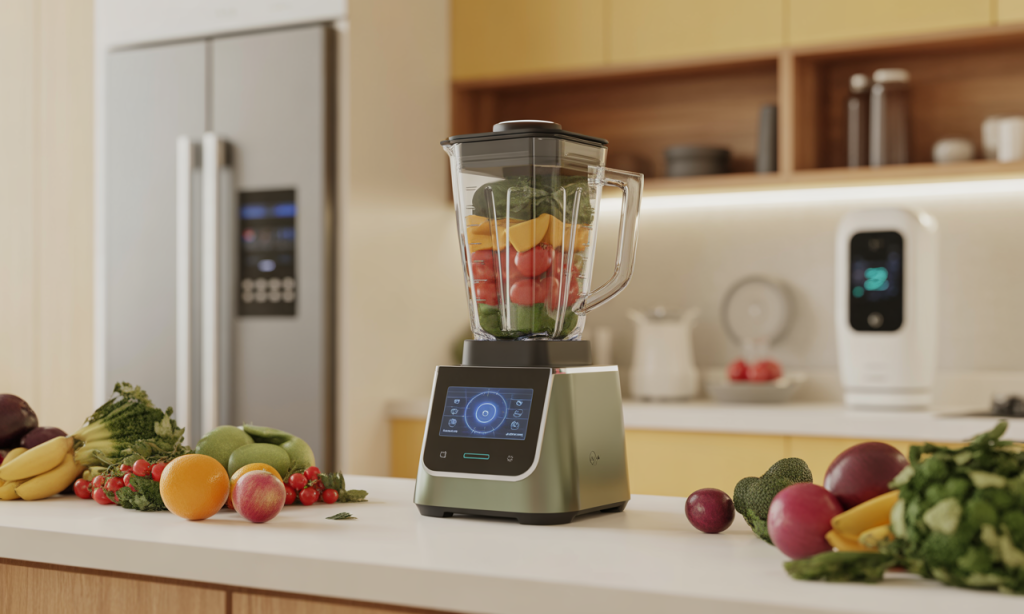
Kitchen appliances have evolved far beyond their first iterations of simple blades and motors. In 2025, concerns about chemical leaching, microplastics, and electrical safety drive both innovation and scrutiny in the world of blenders. New regulations and material breakthroughs aim to protect health without sacrificing performance. Consumers juggle variables—durability, power, price, and non-toxicity—while brands race to prove their models meet the highest benchmarks. From reinforced stainless steel pitchers to advanced self-cleaning features and IoT-based diagnostics, the modern blender landscape is as dynamic as the thousands of recipes it powers.
Whether preparing green smoothies, hot soups, or nut butters, home chefs and professionals demand both safety and efficiency. This deep dive unpacks the latest standards, materials, and best practices for selecting and caring for a blender in 2025. Key insights will guide readers through regulatory updates, brand comparisons, and maintenance tips, ensuring confidence in every blend. Ahead, discover how trusted names like Vitamix, Ninja, Blendtec, and KitchenAid adapt to evolving safety norms, and learn which emerging players offer non-toxic, high-performance alternatives. The quest for the perfect blend begins here.
Updated Safety Standards for Blenders in 2025: Regulations and Certifications
Regulatory bodies worldwide have tightened safety requirements for blenders, focusing on materials, electrical components, and labeling accuracy. In the U.S., the Consumer Product Safety Commission (CPSC) now enforces stricter limits on chemical migration, echoing European REACH standards. Japan’s Ministry of Health has introduced its own guidelines on polypropylene and polycarbonate use in kitchen appliances. Together, these updates reduce exposure to bisphenol A derivatives, phthalates, and heavy metals.
Manufacturers must now provide:
- 🔍 Material Disclosure: Clear labeling of jar and gasket composition
- ⚡ Electrical Safety Certification: UL, CE, or equivalent safety marks
- 📊 Migratory Testing Reports: Proof of sub-ppm chemical leaching
- 🛡️ Warranty & Repair Policies: Minimum three-year coverage for motor and jar
Industry experts point to the rise of third-party testing labs that offer rapid certifications. These labs, often accredited by ISO/IEC 17025, simulate extreme usage conditions—high-temperature soups, frozen blends, acidic marinades—to measure potential hazards. Many leading brands publish these test reports online, while new direct-to-consumer startups emphasize transparency via QR codes on packaging.
Comparative Safety Table
| Standard 🚀 | Region 🌐 | Requirement 📋 | Test Frequency 🔄 |
|---|---|---|---|
| FDA Migration Limit | USA 🇺🇸 | Annual | |
| REACH SVHC | EU 🇪🇺 | Excludes Substances of Very High Concern | Biannual |
| JHFS Microparticle | Japan 🇯🇵 | Annual | |
| CSA Electrical Safety | Canada 🇨🇦 | UL-equivalent certification | On launch |
Recent recalls, such as the 2024 BlendJet incident covered by Cellular Health News, underscore the importance of ongoing compliance. As 2025 unfolds, prospective buyers should look for explicit mention of CPSC, REACH, and JHFS testing in product manuals or online resources like Green Choice Lifestyle. This proactive approach minimizes surprises and lays the groundwork for reliable performance.
Key insight: Compliance with multilayered global standards has become a non-negotiable baseline, ensuring that blenders of 2025 deliver both power and peace of mind.

Next-Generation Materials and Design Innovations: Non-Toxic Jars and Components
Consumer demand for non-toxic, eco-friendly appliance components has driven breakthroughs in blender jar materials. Traditional polycarbonate and BPA-free plastics remain common, but brands are now exploring alternatives:
- 🍏 Glass Jars: Tempered borosilicate glass resists staining and leaching, featured by specialists highlighted in Slice It Right.
- ✨ Stainless Steel: Opaque and virtually indestructible, offered as premium attachments by Vitamix.
- 🌿 Natural Composites: Bamboo fiber mixed with plant-based resins for sustainable, lightweight options by emerging startups.
- 🔬 Tritan Copolyester: Durable and clear, used by high-performance lines from Blendtec and KitchenAid.
Each material brings trade-offs in weight, durability, and price. Glass jars, while inert, can shatter under operational stress. Stainless steel avoids that risk but hides blending progress inside the jar. Tritan bridges clarity and toughness but costs more than basic polypropylene.
Material Comparison Chart
| Material 🛠️ | Durability 💪 | Clarity 🔍 | Toxicity Risk 🚫 | Average Cost ($) 💵 |
|---|---|---|---|---|
| Polypropylene | Medium | Opaque | Low (if BPA-free) | 30–50 |
| Borosilicate Glass | High (breakable) | Crystal Clear | None | 80–120 |
| Tritan Copolyester | Very High | Clear | None | 100–150 |
| Stainless Steel | Ultra High | Opaque | None | 200–250 |
Emerging research published on Ruan Living warns consumers of microplastic shedding in substandard jars. As a result, brands such as Cuisinart and Hamilton Beach now list microplastic thresholds in their specifications. Meanwhile, BigTimeKitchen offers in-depth guides on choosing truly non-toxic blenders.
Manufacturers also innovate in sealing systems, replacing rubber gaskets prone to breakdown with high-grade silicone or PTFE seals tested for repeated cycles. Blade assemblies now use coated stainless steel to minimize corrosion and glazing. Digital displays and magnetically attached lids ensure that the blade never spins unless all safety interlocks confirm a correct fit.
Key insight: Material science in 2025 focuses on a balance of clarity, durability, and zero leaching, empowering consumers to blend without compromise.

Balancing Performance and Safety: Top Blender Brands in 2025
In 2025, the market is crowded with legendary names and agile newcomers. Performance enthusiasts often default to Vitamix or Blendtec for their powerful motors and versatile presets. Budget-minded shoppers consider Ninja or BLACK+DECKER for entry-level price points. Here’s a snapshot of how leading brands stack up:
- ⚙️ Vitamix 5200: 2-peak HP motor, 64-oz Tritan jar, seven-year warranty
- 🔥 Blendtec Pro: 3-peak HP motor, 75-oz jar, preprogrammed cycles
- 🌈 Ninja Foodi: 1.6-HP, auto-iQ programs, dual blade assembly
- 💰 NutriBullet RX: 1.2-HP, compact 32-oz, quick cleanup
- 🍽️ KitchenAid K400: 1.5-HP, glass jar option, three speeds
- 🛠️ Breville Super Q: 2.0-HP, noise suppression, ice crushing
- ☕ Oster Versa Pro: 1.5-HP, BPA-free jar, silicone feet
- 💧 Hamilton Beach 550W: budget pick, simple dial, limited high-temp use
- 🧼 Cuisinart CBT-2000: 2-HP, Turbo button, no tamper
Performance vs. Safety Matrix
| Brand & Model 🏷️ | Power (HP) ⚡ | Jar Material 🎨 | Certifications ✔️ | Price ($) 💲 |
|---|---|---|---|---|
| Vitamix 5200 | 2.0 | Tritan Copolyester | UL, CPSC, REACH | 399 |
| Blendtec Pro | 3.0 | Polycarbonate | UL, CE | 499 |
| Ninja Foodi | 1.6 | Borosilicate Glass | CPSC, JHFS | 149 |
| NutriBullet RX | 1.2 | Polypropylene | UL | 129 |
| Breville Super Q | 2.0 | Tritan Copolyester | UL, CE, REACH | 549 |
Experts from Wirecutter emphasize editorial independence when reviewing these appliances. Detailed tests—ranging from kale smoothie consistency to hot soup splatter risk—illustrate that performance does not preclude safety. For deeper reviews on texture and reliability, visit NYT Wirecutter or browse Food Network.
Key insight: The top-tier models prove that raw power and non-toxic design can coexist, letting consumers blend with confidence and efficiency.
Consumer Guide: Selecting the Safest Blender in 2025
Finding the ideal blender means aligning personal habits with product strengths. Nearly every model can make a smoothie, but only some handle hot liquids or hard nuts. Here’s a checklist to simplify the decision-making process:
- 🔢 Usage Frequency: Daily heavy use favors high-performance brands (Vitamix, Blendtec), while occasional blending suits midrange (KitchenAid, Ninja).
- 🏠 Kitchen Space: Measure under-cabinet clearance; tall pitchers may not fit.
- 💧 Cleaning Preference: Self-cleaning cycles vs. manual wash with hot water and dish soap.
- 🛡️ Safety Features: Tamper compatibility, magnetic lid interlocks, overload shutoff.
- 💵 Budget: Expect to spend $200–$700 for high-performance;
Top Recommendations Summary
| Category 🏆 | Model | Best For | Price Range |
|---|---|---|---|
| Heavy-Duty | Vitamix 5200 | Nut Butters & Soups | $399+ ⚡ |
| Midrange | KitchenAid K400 | Smoothies & Cocktails | $150–$250 💧 |
| Budget | Hamilton Beach 550W | Occasional Use | $50–$80 🏷️ |
Shoppers can also explore resources like Cell Health News and Sustainably Kind Living for deeper dives on potential toxins. Engaging with user reviews on sites such as MSN adds real-world context.
Key insight: Prioritize safety features and material transparency over flashy presets—this ensures longevity and health protection in every blend.
Maintenance, Best Practices, and Future Outlook of Blender Safety
Regular maintenance extends the life of any blender and reduces safety risks. Daily habits and periodic checks keep blades sharp, seals intact, and electronics functioning smoothly. Best practices include:
- 🧽 Quick Rinse: Immediately after use, blend hot water and a few drops of dish soap for 30 seconds.
- 🔩 Seal Inspection: Monthly check for cracks or wear in gaskets and O-rings.
- 📏 Blade Tightness: Quarterly ensure blades are firmly fastened to prevent wobble.
- ⚠️ Overheat Prevention: Do not exceed two-minute continuous blending; allow cool-down cycles.
- 🗓️ Annual Professional Service: For high-end units, consider manufacturer’s service plan.
Maintenance Checklist
| Task 📝 | Frequency ⏲️ | Tool Required 🔧 | Risk if Ignored ⚠️ |
|---|---|---|---|
| Quick Rinse | After Every Use | Hot Water & Soap | Residue buildup |
| Seal Inspection | Monthly | Flashlight | Leaks & Mold |
| Blade Tightness | Quarterly | Wrench | Blade damage |
| Motor Check | Biannual | Professional service | Overheating |
Looking ahead, the blender sector is poised to integrate smart diagnostics, alerting owners to worn parts or unsafe operation patterns. Expect AI-driven apps that monitor cycle durations, motor load, and even chemical residues through sensor-packed jars. With sustainability on the rise, recycled materials and modular designs will dominate, making repairability as important as raw power.
Key insight: Consistent care coupled with emerging smart features will define the next wave of blender safety, ensuring peak performance for years to come.
Frequently Asked Questions
- Q1: Can I safely blend hot soups in any blender?
A: Only models with explicit hot-liquid fill lines, variable-speed control starting at low RPM, and secure lid interlocks (e.g., Vitamix 5200, Blendtec Pro) are recommended. - Q2: How often should I replace blender gaskets?
A: Inspect monthly; replace when visible cracks or stiffness appear—typically every 1–2 years depending on usage. - Q3: Are glass jars always safer than plastic?
A: Glass is inert but prone to shattering. Modern Tritan copolyester offers a balance of clarity, durability, and zero chemical leaching. - Q4: Is a tamper necessary for safe blending?
A: A tamper reduces air pockets and strain, enabling smoother results. Only use tampers designed for your model to avoid blade damage. - Q5: What’s the best way to test for microplastics?
A: Third-party labs can analyze water samples post-blend, but certified models listing- JHFS microparticle limits
- ISO/IEC 17025 testing
offer built-in confidence.
- JHFS microparticle limits
- ISO/IEC 17025 testing