On this page

From the moment parents welcome a newborn home, questions about safe sleep environments become paramount. A crib seems to be the obvious solution, but beneath its simple structure lie myriad considerations that affect infants’ health and well-being. With sudden unexpected infant death (SUID) still a leading concern, experts emphasize choosing the right crib, arranging bedding carefully, and understanding evolving safety standards. While popular brands such as Graco, BabyBjorn and Chicco boast innovative designs, parents must remain vigilant about slat spacing, mattress fit and product recalls—whether they’re shopping for a Summer Infant bassinet or a Delta Children convertible model. This deep dive unpacks the potential hazards ingrained in crib setups, outlines best practices for creating a secure sleep space, highlights recent legislative advances and guides families on the optimal age and method for transitioning their baby into a crib. Along the way, real-world anecdotes, research from the CDC and CPSC and practical checklists will help caregivers rest assured that their little one is drifting off in the safest possible setting. Are you ready to explore the risks and benefits of crib sleeping—and to discover the small steps that can make all the difference?
Essential Crib Safety Considerations for Parents in 2025
When selecting a crib, it’s tempting to focus on décor and price. Yet safety engineers and pediatric educators stress that crib standards evolve rapidly. After drop-side cribs were banned in 2011, recalls surged for slat failures, lead-paint issues and defective hardware. By 2022, the U.S. Consumer Product Safety Commission (CPSC) reported over 11,800 emergency visits tied to cribs and mattresses. More alarmingly, 28% of sudden unexpected infant deaths that year were linked to accidental suffocation or strangulation in sleep settings.
To minimize risk, new parents should evaluate cribs against current CPSC criteria and consider the following:
- Slat Spacing and Integrity: Ensure slats are under 2 3/8 inches apart to prevent entrapment. Inspect joints and screws regularly—wobbling slats can spell disaster.
- Mattress Fit: A firm mattress should leave no more than two fingers’ width gap from the crib frame. An ill-fitting mattress invites suffocation hazards.
- Sturdy Construction: Opt for non-toxic finishes and solid lumber. Models from Babyletto and Dream On Me often meet Greenguard Gold standards for low chemical emissions.
- Absence of Loose Items: Avoid bumpers, pillows and toys that can shift over an infant’s face. Follow the American Academy of Pediatrics (AAP) advice: keep the crib bare until at least 12 months.
Parents seeking extra guidance can consult resources like the CPSC’s crib safety checklist or read expert tips on infant sleep safety. Those evaluating cot transitions may find this age guide invaluable. By rigorously applying these criteria, caregivers can rest confident their baby’s crib is a true haven, not a hidden hazard. Insight: A secure crib starts with meticulous inspection—every bolt tightened today can avert a crisis tomorrow.

Identifying Hidden Dangers in Cribs and Surroundings
Beyond the obvious threats of loose blankets and unstable slats, subtler dangers can lurk in a seemingly safe nursery. Household electronics, decorative cords and even poorly placed monitors can pose strangulation risks if they dangle within reach of a curious infant. A case study from 2024 described a toddler who snagged a loose charger cable from a nursery wall outlet, demonstrating how everyday conveniences can become perilous traps.
- Electrical Cords and Chargers – Keep wireless chargers and power adapters at least three feet from the mattress. Read more on safe charging setups at safe wireless chargers.
- Monitor Placement – Position Wi-Fi cameras and baby monitors high on shelves, away from reachable cords. A low-hanging cable can tighten around tiny necks in seconds.
- Decorative Mobiles and String Lights – Hang mobiles securely so they cannot be pulled into the crib. Avoid LED string lights inside cribs; opt for remote-controlled nightlights instead.
- Unaddressed Recalls – Register new purchases with manufacturers like Hape and Lorex to receive recall alerts. Explore recent nursery product recalls on safety recall listings.
Studies also highlight the danger of crib bumpers. A 2007 NIH-funded analysis linked them to 27 infant deaths. Even seemingly soft pads can compress over an infant’s face, blocking airflow. The safest approach is the AAP’s ABC rule: Alone, on the Back, in a bare Crib. For blanket safety tips, visit babies sleep blanket safe.
By auditing both the crib’s design and the nursery environment, families can vaccinate their homes against hidden threats. Key takeaway: vigilance extends beyond the crib—transform the entire room into a incident-free zone.
Creating a Safe Sleep Space: Best Practices and Product Picks
Designing a serene, secure sleep area involves thoughtful product choices. Notable brands like Serta deliver firm mattresses with waterproof covers, while Delta Children offers cribs crafted from kiln-dried hardwood for stability. Begin by pairing a reliable crib with a tested mattress and a snugly fitted sheet.
- Mattress Materials: Select foam or innerspring mattresses from reputable labels. Ensure they meet CPSC dimensions: 27 ¼ × 51 ¼ inches for full-size cribs.
- Sheet Selection: Use only one tightly fitted crib sheet. Loose sheets can ride up and tangle.
- Room Temperature: Maintain 68–72°F to prevent overheating. Dress infants in light layers or wearable blankets designed for sleep safety.
- Safe Wearables: Consider a sleep sack rather than loose blankets. These approved wearables eliminate suffocation hazards and maintain cozy warmth.
For multipurpose solutions, convertible cribs from Babyletto can evolve into toddler beds, saving money and preserving familiarity. Parents might also explore play yards from Summer Infant for travel, keeping the same safe environment on the go. To compare cot age guidelines, read this detailed transition guide.
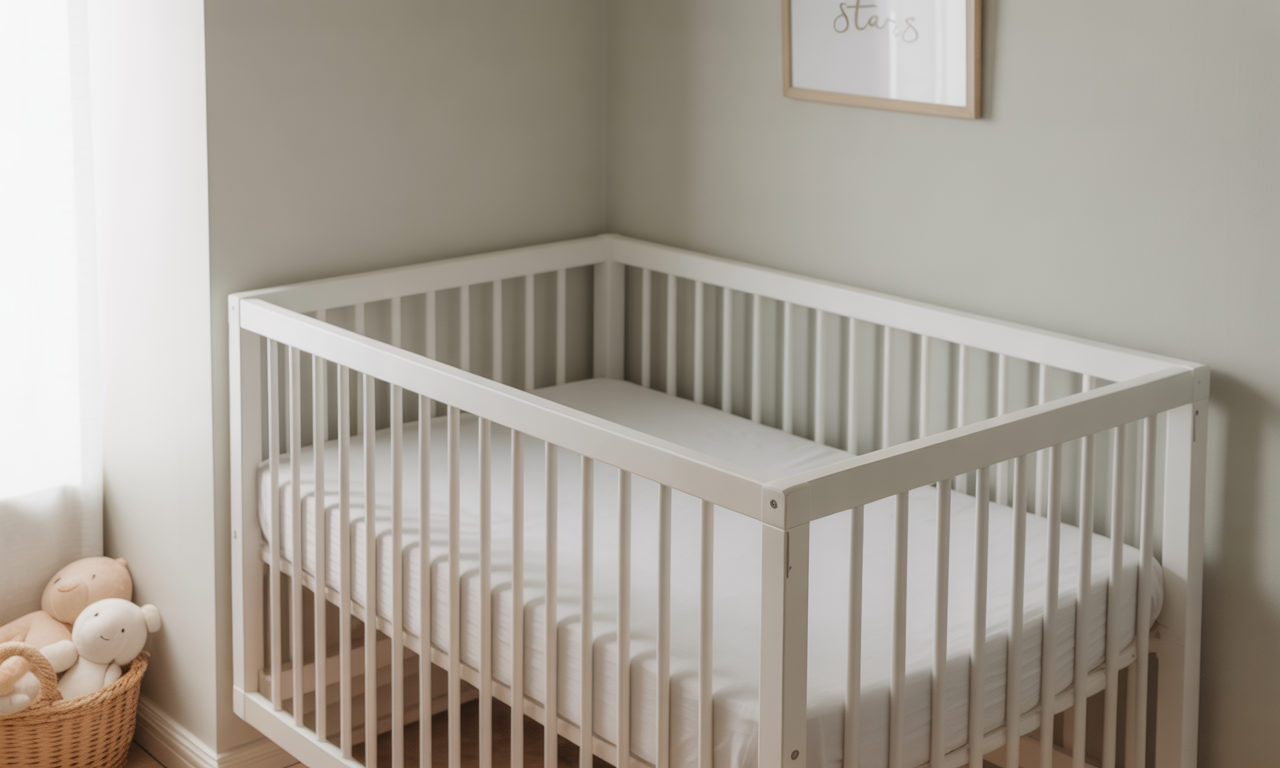
Whether opting for a sleek Dream On Me model or a classic Chicco design, prioritizing function over frills ensures the sleep space truly supports infant safety and restful nights. Final thought: the most stylish crib is the one that adheres to tested safety principles above all else.
Legislative and Industry Efforts to Enhance Crib Safety
In 2025, advocacy organizations, lawmakers and manufacturers continue to refine crib safety standards. Pressure from consumer groups has led to improved recall systems that track products via UPC codes, aiming to notify 100% of registered owners within 30 days of a recall.
- Stricter Chemical Regulations – Pending legislation seeks to ban harmful flame retardants in crib finishes, aligning with EU REACH standards.
- Enhanced Recall Notifications – The CPSC plans an opt-in text-alert system for all major baby product categories, including bassinets and play yards.
- Mandatory Testing Upgrades – New protocols require drop, slat-pull and corner-post tests at lower cost thresholds, making compliance feasible for small brands.
- Global Standard Harmonization – U.S., Canadian and European crib safety bodies are working on unified criteria to simplify cross-border manufacturing and reduce dangerous imports.
Social media channels amplify safety conversations. For instance:
By 2025, parents can expect more transparent supply chains, tighter chemical controls and quicker recall alerts. The result: cribs that not only look modern but also embody the highest safety assurances. Core insight: collective action—industry, legislators and consumers—drives crib safety ever forward.
Transitioning to a Crib: Age Guidelines and Parental Strategies
Moving a baby from bassinet to crib can feel daunting. Most experts recommend room sharing with the infant in a crib or cot beside the parental bed until at least six months. This arrangement reduces SIDS risk by up to 50% in the first half-year.
- Signs of Readiness – Rolling over consistently, pushing up on hands and knees and leaving the bassinet’s weight limit are cues to transition.
- Gradual Acclimation – Start with daytime naps in the crib, gradually introducing nighttime sleeps. Comfort items like a parent-worn T-shirt (placed safely outside the sheet) can ease separation anxiety.
- Consistent Routine – Establish a bedtime ritual—bath, book, lullaby—before crib placement to signal sleep time.
- Safe Co-sleeping Alternatives – If co-sleeping, use bedside sleepers that attach securely to the adult bed. Consult guidance on co-sleeping vs. crib sleeping at BabySense Monitors.
Parents who follow these steps can ease their child into a crib with minimal stress. Remember to monitor room temperature, avoid loose bedding and maintain a calm bedtime atmosphere. Ultimate takeaway: a thoughtful transition fosters healthier sleep habits and safety from day one.
FAQ
- What’s the safest position for a baby in a crib?
Always place infants on their back. This “back to sleep” practice significantly lowers SIDS risk. For more details, see safe baby sleeping back. - Can I use a blanket in my baby’s crib?
No. Loose blankets can cover the face and cause suffocation. Use a wearable blanket instead. Read about safe swaddling and blankets at babies sleep blanket safe. - How do I ensure my crib mattress fits properly?
Measure the interior dimensions of the crib and compare them to the mattress label. A snug fit—no more than two finger widths of gap—is essential. - When should I stop swaddling my baby?
Once your baby shows signs of rolling, usually around 4–6 months, stop swaddling to reduce risk of suffocation. Learn more at baby sleep milestones. - How can I stay informed about crib recalls?
Register your crib’s serial number on the manufacturer’s website and subscribe to CPSC email/text notifications. Check outside the box mom recalls for updates.