On this page

Blankets often symbolize warmth and security, yet when it comes to infant sleep, they pose unexpected risks. Research from the Centers for Disease Control and Prevention indicates that over 3,600 infants die each year from sudden infant death syndrome (SIDS), suffocation, strangulation or entrapment, with loose bedding identified as a leading culprit. Parents eagerly awaiting the day they can tuck their little one under a soft cover will likely find conflicting advice online—ranging from “wait 6 months” to “it’s fine after one year.” The American Academy of Pediatrics (AAP) strongly cautions against any loose bedding in a crib during the first year, yet emotional attachments to handmade quilts or heirloom comforters can make that recommendation feel harsh.
Fortunately, a balanced path forward exists. By following evidence-based guidelines—such as those outlined on Parenting Patch and WebMD—caregivers can keep infants safe without losing the magic of a cozy bedtime routine. This article dives into when blankets become safe, how to keep infants warm beforehand, and the best ways to introduce soft bedding once developmental milestones are met. Each section explores practical tips, product recommendations, real-life scenarios and reliable resources to guide parents through this important transition.
When Can Babies Safely Sleep With A Blanket? Understanding the Guidelines
Decades of sleep safety research have shaped current recommendations: no loose blankets, pillows or stuffed toys in a crib until at least twelve months of age. According to the AAP and reinforced by sites like Sleep Advisor and Sleep Foundation, introducing blankets earlier dramatically increases the chances of airway obstruction and overheating. While each child develops at their own pace, most experts agree the risk remains too high for infants under one year.
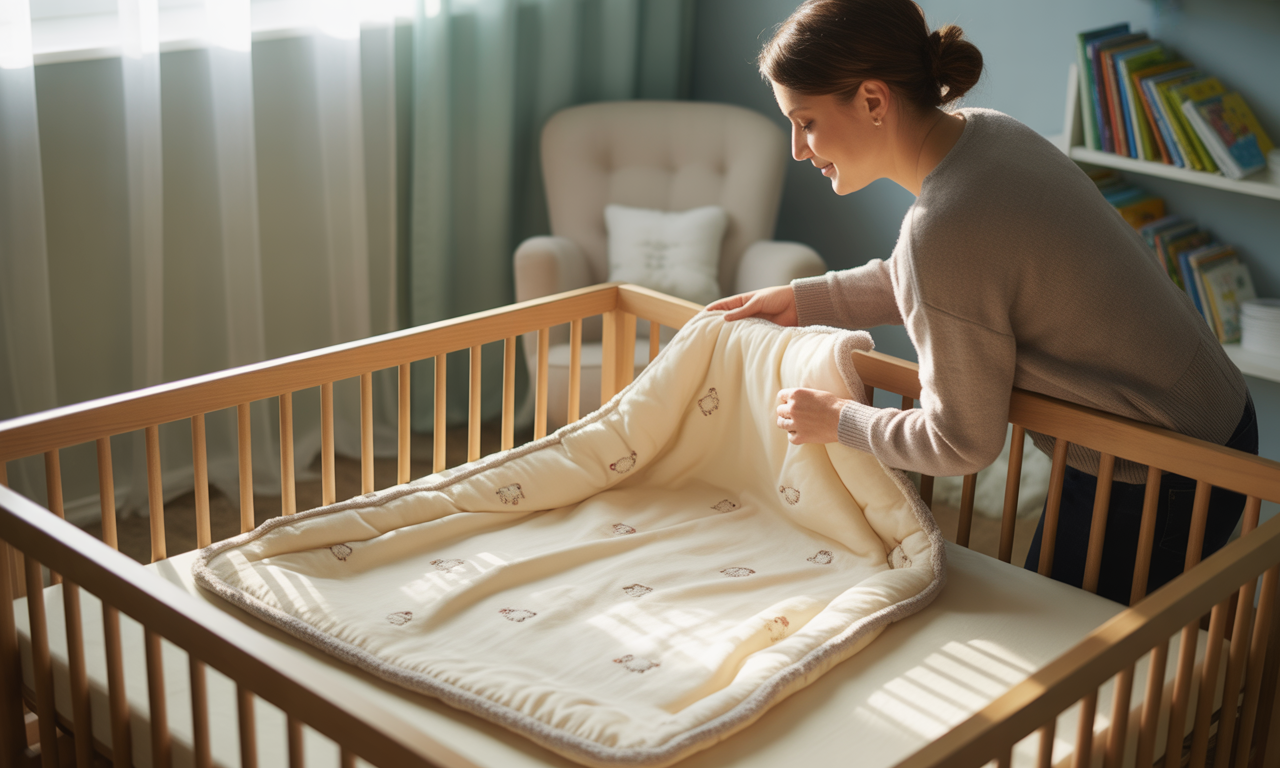
Key factors influencing the safe introduction of a blanket include:
- Rolling Ability: Babies need the motor skills to move their head and body independently. Once they can roll from back to stomach and vice versa, they’re less likely to remain face-down under a cover.
- Breathing Control: Some infants have underdeveloped arousal systems and might not wake if breathing is compromised by loose fabric.
- Blanket Size & Weight: Lightweight, breathable blankets pose less risk than heavy comforters or quilts.
- Sleep Environment: A firm mattress with a tightly-fitted sheet, room-sharing but not bed-sharing, and a clear crib free of loose items are non-negotiable.
For step-by-step guidance, caregivers can explore resources like Parents.com, while web portals such as WebMD offer detailed explanations of SIDS vs. SUID distinctions. Many families have found peace of mind simply by waiting until their child celebrated a first birthday before tucking in that cherished blanket.
By aligning with these recommendations, parents avoid the pitfalls of loose blankets without missing out on the warmth they bring. Waiting until at least twelve months aligns with safety recommendations.
How to Keep Babies Warm Without Blankets: Alternatives and Tips
Until that milestone arrives, ensuring proper warmth is a top priority. Cold rooms, especially in winter months, can make caregivers anxious about their baby’s comfort—but blankets aren’t the only solution. Products designed specifically for infants provide warmth without compromising safety.

Consider these safe sleepwear options:
- Swaddle Wraps: Brands like aden + anais and Miracle Blanket provide snug, womb-like comfort that reduces startle reflex without loose fabric.
- Sleep Sacks: Wearable blankets such as SwaddleMe and Halo Sleep Sack come in lightweight knits that fit securely around shoulders and chest.
- One-Piece Sleepwear: Outfits from Burt’s Bees Baby or Tommy Tippee can be layered with a cotton bodysuit, maintaining core warmth.
- Layered Clothing: When room temperature dips below 68°F (20°C), adding a footed onesie or baby tights under pajamas delivers extra insulation.
Local guidelines such as those on TipsForSafety stress checking the infant’s neck or back—cool to the touch indicates they need more layers, while sweaty skin signals overheating.
Additional strategies include:
- Room Thermostat Management: Aim for a steady 68–72°F (20–22°C), avoiding sudden temperature swings.
- Firm Crib Mattress: A responsive mattress helps regulate body heat and prevents dangerous sinks or soft spots.
- Short Sleeve vs. Long Sleeve: Switch to short sleeves if the room warms; layering is always reversible.
Swaddles and sleep sacks grant both security and breathability—no loose fabric to obstruct breathing or trap heat. Integrating these safe alternatives keeps infants warm, cozy and protected. Choosing the right wearable sleep solution makes chilly nights worry-free.
Transitioning From Sleep Sacks to Blankets: Step-by-Step Approach
Once the first birthday is celebrated and motor skills solidify, many families wonder how to introduce a blanket without unravelling safe sleep habits. Transitioning is a gradual process that balances comfort with caution. Experts from Pampers and Healthline recommend starting with lightweight, breathable muslin or cotton-layered covers.
Follow these steps for a smooth shift:
- Step 1: Introduce During Naps
Begin by placing a thin aden + anais blanket across the lower legs during daytime naps. This exposes the baby to the feel without full coverage. - Step 2: Observe Movement
Monitor whether the infant can kick off or maneuver the blanket safely. If it remains loosely draped, proceed to nighttime trials. - Step 3: Combine With Sleep Sack
For extra reassurance, layer a Nested Bean sleep sack over a small blanket. This hybrid approach lets caregivers maintain warmth even if the cover shifts. - Step 4: Check Frequently
Use a baby monitor to verify that the blanket stays at the infant’s feet, away from the face. Adjust thickness according to season. - Step 5: Full Coverage Trial
After consistent success, tuck the blanket around the torso—always ensuring it’s no higher than chest level and that no corners are loose.
Families have shared success stories on forums like Happiest Baby’s blog, praising the gentle transition and improved sleep quality once the blanket becomes familiar. Yet it’s essential to maintain a clear crib—no pillows, bumpers or stuffed toys—as advised on Happiest Baby. Blending patience with vigilant observation ensures the blanket enhances rather than endangers night routines. Effective transitions rejuvenate bedtime rituals and reinforce a sense of security.
Graduating to soft bedding can be seamless when guided by developmental cues, creating lasting comfort without compromising safety.
Choosing Safe Blankets and Accessories: Materials and Design Matters
When selecting the first “big kid” blanket, quality and construction trump aesthetics. While handmade quilts and heirloom comforters may hold sentimental value, they often feature heavy fills, elaborate stitching or decorative ribbons—all potential hazards. Instead, look for these features:
- Breathable Fabric: 100% cotton, bamboo blends or lightweight muslin allow airflow, reducing heat retention.
- Lightweight Construction: Aim for under 8 ounces total weight, avoiding dense polyfill layers common in baby blankets.
- No Loose Embellishments: Skip ribbons, pom-poms or fringe that could tangle around tiny limbs or faces.
- Machine Washable: Frequent laundering removes allergens and maintains hygiene, especially for sensitive skin.
Top-rated options include:
- Loulou Lollipop organic cotton blankets—light, soft and OEKO-TEX certified.
- Little Giraffe chenille throws—luxuriously gentle yet streamlined in design.
- Tommy Tippee breathable blankets made specifically for toddler transition.
- BabyDeedee quilted cot blankets—offer warmth without bulk.
Linking baby development insights from TipsForSafety’s milestone guide helps parents match blanket introduction to emerging skills. Selecting the right sleep accessory not only ensures physical comfort but also supports healthy self-soothing behaviors. Proper design choices promote a nurturing environment that grows with the child.
By focusing on thoughtful materials and construction, caregivers encourage safe, cozy rest and foster independence at bedtime.
Creating A Secure Sleep Environment: Beyond Blankets
A comprehensive sleep space addresses more than bedding alone. True safety emerges from consistent practices that extend to crib setup, room-sharing habits and monitoring techniques. Key considerations include:
- Clear Crib Policy: Remove pillows, bumpers, plush toys and loose sheets until at least two years of age. This aligns with What to Expect and The Bump recommendations.
- Back to Sleep: Always place infants on their backs, reducing SIDS risk by over 50%. For more on safe positioning, see TipsForSafety guidance and TipsForSafety’s stomach-safety overview.
- Room Sharing: Keep the crib or bassinet in the parents’ bedroom for the first year, promoting frequent checks and easier night feedings.
- Crib Placement: Position away from window cords, heaters or wall hangings to prevent accidental pulls or entanglements.
- Consistent Routine: A calm sequence—bath, story, lullaby—signals bedtime. Sound machines or soft white noise further soothe transitions.
Other safety layers:
- Use a firm, breathable mattress—too soft surfaces can conform around an infant’s face, creating suffocation hazards.
- Monitor room temperature; layer appropriately and avoid overheating.
- Maintain a pet-free zone around the crib to prevent accidental bumps or fur accumulation.
Every component contributes to a protective sleep zone, letting blankets enter the mix only when development and environment align. Adhering to comprehensive measures nurtures healthy sleep patterns and minimizes preventable incidents. A secure setting fosters restful slumber and parental peace of mind.
Implementing layered safety norms turns any nursery into a haven for infant rest.
Frequently Asked Questions
When is it safe to add a lightweight blanket to my baby’s crib?
Experts recommend waiting until your infant is at least 12 months old and has mastered rolling independently. After that, introduce a thin, breathable blanket no higher than chest level.
How can I keep my baby warm without using a blanket?
Opt for swaddle products such as SwaddleMe or wearable options like Halo Sleep Sack. Layering a bodysuit under pajamas and regulating room temperature (68–72°F) ensures comfort.
Are sleep sacks really safer than regular blankets?
Yes. Sleep sacks stay securely in place, eliminating loose fabric hazards. They also free the baby’s arms, enabling self-righting if they roll onto their stomach.
What material should I choose for my first baby blanket?
Select ultra-light 100% cotton or muslin options, such as those by aden + anais or Loulou Lollipop, avoiding ribbons, heavy fills or textured embellishments.
Can a transitional object improve my baby’s sleep?
Once blankets and loveys are safe, a familiar object can provide comfort. The American Academy of Pediatrics suggests having a duplicate so one can stay clean while the other is in use.