On this page
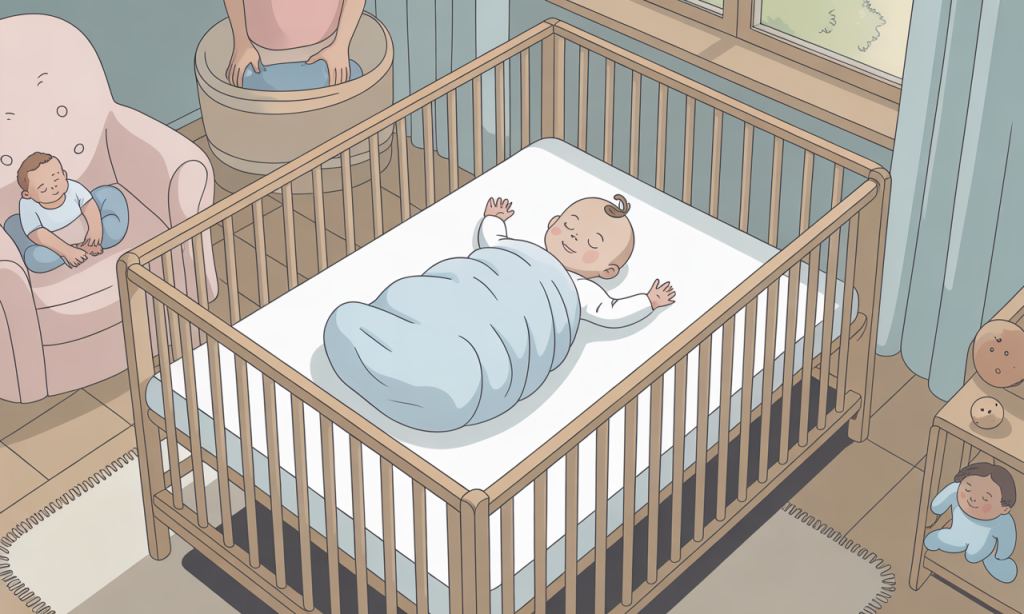
New parents often grapple with the question of whether their baby can slumber safely without the snug embrace of a swaddle. The debate spans decades, as caregivers weigh the calming benefits of wrapping against emerging concerns about mobility, hip development, and safety. Across nurseries in 2025, families are exploring an array of options—from traditional blankets to innovative sleep sacks by brands like Halo, SwaddleMe, and Aden + Anais—to ensure newborns rest soundly. While some infants effortlessly drift off without restriction, others may require a gentle transition aided by devices like the Nested Bean or Love to Dream suits. Pediatric guidelines recommend halting swaddling by the time rolling emerges, typically between two and six months, to prevent hazards. Yet for many caregivers, the practical challenge remains: how to replace that womb-like security? From bedtime rituals to wearable garments and safe sleep best practices, this report-style overview navigates the array of strategies, expert insights, and real-world experiences shaping sleepytime in modern nurseries.
In an era where evidence-based advice meets user-friendly products from ErgoPouch to Cloud Island, understanding the intrinsic risks and well-documented benefits of unswaddled sleep becomes paramount. As parents juggle work, self-care, and late-night feedings, discovering a method that supports both restful nights and healthy development can transform family rhythms. Dive into the layered considerations—from overheating and startle reflex management to hip safety and cognitive self-soothing—and learn how to craft a bespoke sleep environment that helmets every little dreamer.
Safe Baby Sleep Practices: Are Babies Secure Without Swaddling?
Transitioning away from swaddling demands adherence to core safe sleep principles endorsed by leading authorities. Whether opting out of wrapping entirely or using a Summer Infant sleep sack, the foundation remains consistent: babies should lie on a firm mattress, placed on their backs, free from loose blankets or soft toys. Agencies such as the AAP and guidelines on HealthyChildren.org emphasize that a clear crib environment significantly lowers the risk of suffocation and Sudden Infant Death Syndrome (SIDS).
- Back-to-sleep remains non-negotiable. Avoid tummy sleeping unless supervised during wakeful play (see baby-sleep-stomach-safety).
- No loose bedding. Replace blankets with wearable solutions; explore sleeping bags or Burt’s Bees Baby swaddle alternatives.
- Optimal temperature. Dress infants in one extra layer than caregivers feel comfortable in; avoid overheating, which links to higher SIDS risk.
Practical checks—ensuring the crib sheet is taut, verifying no dangling cords near mobiles, and maintaining a neat crib—form part of a broader strategy that parents can implement immediately. Consulting resources such as swaddling-safety-babies reinforces these basics, whether swaddled or not. As caregivers adopt a vigilant stance, the mattress transforms into a haven; the freedom of unwrapped limbs can facilitate better motor exploration while maintaining utmost safety. This shift underscores the balance between autonomy and protection—a hallmark of responsible parenting in 2025. Ensuring babies sleep safely without swaddling is about mastering simplicity and vigilance.
Health and Development Benefits of Unsaddled Sleep
Sleeping without a tight wrap can bolster infants’ neuromuscular maturation and pave the way for self-regulation skills. When limbs move freely, young muscles gain subtle exercise, supporting rolling, crawling, and grasp development. Moreover, babies discover self-soothing techniques—tucking a fist to the cheek or discovering thumb-sucking—which can reduce dependency on external aids. Pediatric nurse educators note that babies given free arms often stabilize heart rate and breathing more naturally, as documented in studies reviewed by Harvard Health Blog.
Self-Soothing and Reflex Integration
Newborns exhibit the Moro reflex—startle reactions that can jolt them awake. Without confinement, infants gradually override this reflex, learning to settle themselves. Through gentle practice, they adapt to jitters and external stimuli. A survey linked on SleepBaby.org found that nearly 45% of non-swaddled babies develop consistent sleep patterns by four months, harnessing their own calming cues.
- Thumb-sucking: fosters oral-motor control and emotional comfort.
- Self-hugging: mimics the snugness of arms wrapping around the torso.
- Body rocking: rolling from side to side encourages vestibular integration.
Muscle tone benefits extend to hip health, minimizing the risk of developmental dysplasia that can occur when legs are held together too tightly in long-term swaddles. Organizations like What to Expect and guidelines from the Mayo Clinic underscore the value of hip-friendly sleep gear, such as the widely lauded ErgoPouch and Nested Bean sleep sack lines.
Given that babies spend 14–17 hours asleep daily in early months, optimizing sleep for developmental gains is crucial. By granting mobility, caregivers nurture infants’ inherent growth trajectory and help them fine-tune motor control. Unrestricted sleep environments catalyze critical developmental milestones.
Risk Assessment: Potential Hazards of Skipping Swaddling
While liberty in slumber yields benefits, caregivers must remain alert to potential challenges. Babies unsaddled may stir more frequently in response to sudden limb movements. This could translate to shorter sleep stretches initially. Tracking patterns on a baby monitor and consulting checklists like babies-white-noise-safety can help manage environmental triggers, like disruptive noise or temperature shifts.
SIDS and Startle Reflex Considerations
The AAP highlights that reduced arousal can sometimes mask unsafe scenarios. In a swaddle, some infants sleep too soundly, raising concerns. Conversely, without swaddling, a baby who wakes easily might be better positioned to avoid hazardous situations. Yet frequent awakenings can lead to sleep fragmentation, affecting both infant mood and parental rest.
- Monitor startle reactions: observe if the Moro reflex remains pronounced past three months.
- Assess room conditions: maintain 68–72°F and low humidity to prevent overheating or chilling.
- Utilize pacifier safety: offering a pacifier at nap time may reduce SIDS risk (pacifier-safe-baby-sleep).
Additionally, ensuring that sleep clothing fits correctly is vital. Oversized gowns or loose nightwear can bunch under babies, creating risk zones. Recommendations by Healthy Children caution against heavy layers and reiterate that less is more in a crib. Regular safety checks—tight sheet corners, absence of crib bumpers, mobile cords out of reach—fortify the protective environment.
Though unswaddled sleep may pose an adjustment phase, strategic vigilance, and environmental management can mitigate risks. Thorough risk assessment paired with proactive safety habits safeguards unswaddled sleepers.

Practical Alternatives to Traditional Swaddling
As many parents seek options, the market has blossomed with smart sleep gear. Wearable blankets like the Love to Dream Zip-Up Swaddle and the Cloud Island Sleep Sack provide snugness while freeing arms. Meanwhile, brands such as The Ollie World offer adaptive sleep suits with adjustable wings, catering to the roll-ready infant. Exploring these innovations ensures each family finds the right balance between security and movement.
Comparing Sleep Sacks and Wearable Blankets
Sleep sacks differ from traditional swaddles by allowing limb motion and hip flexion. A review on ShunChild catalogues user experiences: 60% of families transitioning to a sack noticed fewer night wakings after four weeks. Additionally, a detailed guide on tipsforsafety.com underscores selecting breathable, machine-washable fabrics to maintain hygiene and comfort.
- SwaddleMe Classic: entry-level wrap with hook-and-loop closures for adjustable tightness.
- Nested Bean Zen Sack: gentle chest-weight technology mimics caregiver’s touch.
- Summer Infant SleepSack: budget-friendly, with armhole variations for seasonal use.
For those wary of full arm freedom, transitional products exist. Swaddles with “arms out” options allow caregivers to unzip one or both wings, fostering gradual release. Products like ErgoPouch’s WingTransition harness this approach, mitigating abrupt change. Complement these garments with savvy sleep aids—white noise machines (use within safe decibel limits), dimmable night lights, and pacifier clips anchored safely—to craft a soothing atmosphere.
Alternatives to swaddling support diverse needs, from ventilated cotton to lightweight muslin by Aden + Anais. With so many options, families can customize sleep setups without sacrificing safety. Modern sleep gear empowers parents to swap the swaddle for smarter, mobility-friendly solutions.
Effective Strategies for Transitioning Away from Swaddling
Successfully weaning off swaddling often hinges on a predictable, calming bedtime ritual. Incorporating elements such as a warm bath, gentle infant massage using natural lotions from Burt’s Bees Baby, and a quiet lullaby in dim lighting can signal it’s time to rest. Studies cited on NillyDahlia reveal that a consistent sequence promotes sleep onset, even when swaddling is phased out.
Step-by-Step Transition Plan
- Week 1: Swaddle as usual, but shorten the final swaddle tightness by unfastening one wing.
- Week 2: Move to a “arms out” swaddle; leave arms free while keeping torso snug.
- Week 3: Introduce a sleep sack for nighttime; maintain swaddle for naps only.
- Week 4: Eliminate swaddle entirely; rely solely on sleep sack and established routine.
Adjust timing based on baby’s cues. If resistance arises, slow the pace by extending each phase. Observe sleep logs and tweak environment—ensuring comfort with cool, breathable attire and noise control per bassinet-safety-babies guidelines. Dress infants in one additional layer than what caregivers wear to maintain ideal warmth without swaddling.

Consulting with a pediatrician or a certified sleep consultant can provide personalized advice, particularly for preemies or babies with special health considerations. Remember, transitioning is as much about nurturing trust and consistency as it is about technique. A structured, responsive plan ensures a smooth move from swaddle to independent sleep.
Frequently Asked Questions
- When should swaddling stop? Experts advise halting swaddling once rolling appears, generally between two to six months (source).
- Can I use a sleep sack safely? Yes, wearable blankets are endorsed by the AAP when used per instructions; check safe-babies-sleeping-bags guidelines.
- How to reduce startle reflex without swaddling? White noise at gentle levels, swaddle alternatives like Nested Bean, and soft vestibular motions (rocking) help integrate reflexes.
- Are there risks to non-swaddled sleep? Babies may wake more often; monitoring environment temperature (68–72°F) and using pacifiers can mitigate issues (pacifier-safety).
- What if my baby refuses a sleep sack? Experiment with different brands—Cloud Island, The Ollie World—and textures, and build bedtime rituals to foster acceptance.