On this page
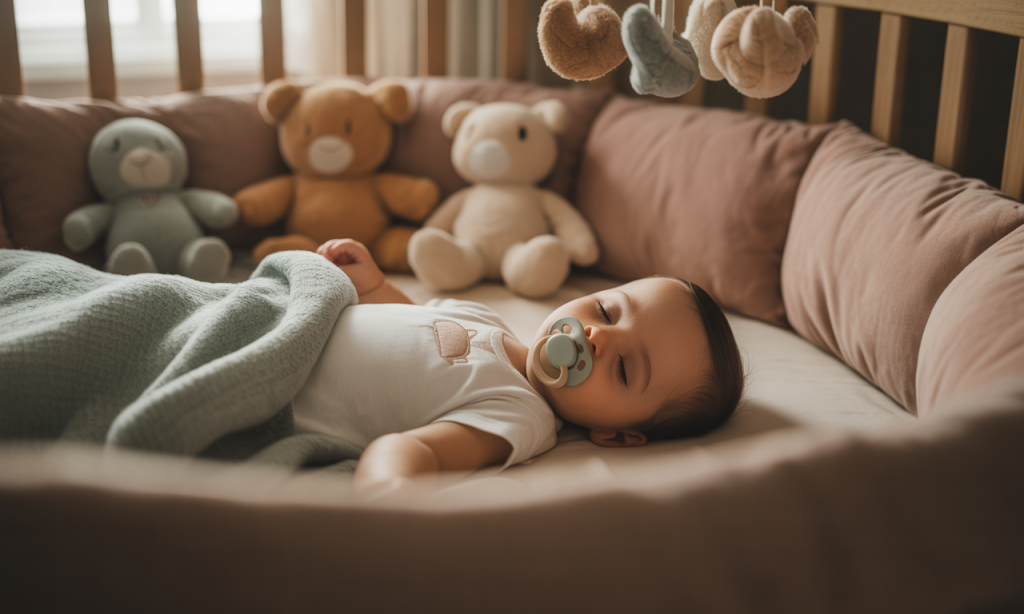
Parents often juggle a flurry of questions when it comes to newborn sleep, and one of the most persistent is whether a pacifier is truly safe for late-night soothing. In 2025, recent pediatric guidelines highlight how strategic use of a pacifier can lower the risk of SIDS and foster healthy sleep habits—yet timing, hygiene, and environment remain critical. Drawing on real-life experiences like those of the Thompson family, whose little Emma found comfort in her MAM pacifier after precisely four weeks, this article unpacks the science, expert recommendations, and hands-on tips. From selecting the right Philips Avent or Chicco model to planning a smooth weaning process, every aspect is covered with sensitivity and clarity.
Each section delves into a distinct angle—starting with core safety considerations, moving through introduction timing, risk mitigation, safe-sleep integration, and ending with step-by-step weaning strategies. Along the way, evidence from sources like Mayo Clinic and Healthline blends with relatable anecdotes, ensuring you’re equipped to make informed choices for your baby’s sleep comfort and safety.
How a Pacifier Can Boost Infant Sleep Safety
Newborns spend up to 17 hours a day sleeping, and smooth sleep transitions are essential for brain growth and emotional regulation. The Thompson family discovered that Emma, at six weeks old, settled more quickly with her MAM pacifier during late-night wakeups. Studies even tie pacifier use to a reduced risk of Sudden Infant Death Syndrome (SIDS) by up to 90% when employed correctly. Experts believe that pacifiers help maintain an optimal airway position and encourage lighter sleep stages, reducing the chance of breathing obstructions.
- Soothing reflex: Sucking releases endorphins that calm fussy infants.
- Airway positioning: The suction effect may promote an open airway.
- Transitional comfort: Gently bridges feedings and naps.
- Parental sleep: Babies self-soothe back to sleep, giving caregivers longer rest.
Brands like Philips Avent and Dr. Brown’s offer one-piece, BPA-free designs that resist breakage, while Nuk orthopedic shapes mimic the natural curve of the mother’s nipple. Selection matters—appropriate sizing and shield shape can prevent the pacifier from becoming a choking hazard.
In families managing colic or frequent night-waking, the pacifier often becomes a reliable tool. According to WebMD, controlled pacifier use during naps and bedtime can cut fussiness and crying episodes significantly. For Emma’s parents, pairing a gentle bedtime routine with dim lighting and soft lullabies made offering the pacifier a clear sleep cue.
Ready to explore when to bring in this soothing aid? Let’s examine the optimal timing and methods to introduce a pacifier in a way that supports both breastfeeding and restful nights.
Best Timing and Methods to Introduce a Pacifier
Introducing a pacifier too early can disrupt breastfeeding, while waiting too long might lead to frustration for baby and parent alike. Current guidance recommends waiting until the breastfeeding latch is well established—usually around 3–4 weeks—before offering a pacifier. When little Emma surpassed that milestone, her parents tried her first pacifier brand Chicco during a sleepy yet alert moment after feeding. She accepted it readily, signaling the right moment for their family.
- Post-feeding calm: Offer the pacifier when baby is calm, not in a full-blown cry.
- Observe cues: Watch for rooting or lip smacking that suggests readiness for non-nutritional sucking.
- Trial shapes: Test models from Boon to Nuby—babies show preferences.
- Keep it short: Limit initial use to sleep periods to avoid over-dependence.
Maintaining pacifier hygiene from day one is vital. Sterilize by boiling for five minutes, then clean with hot, soapy water after each fall, as recommended by KidsHealthExperts. A clean pacifier reduces infection risks, especially ear infections linked to late usage.
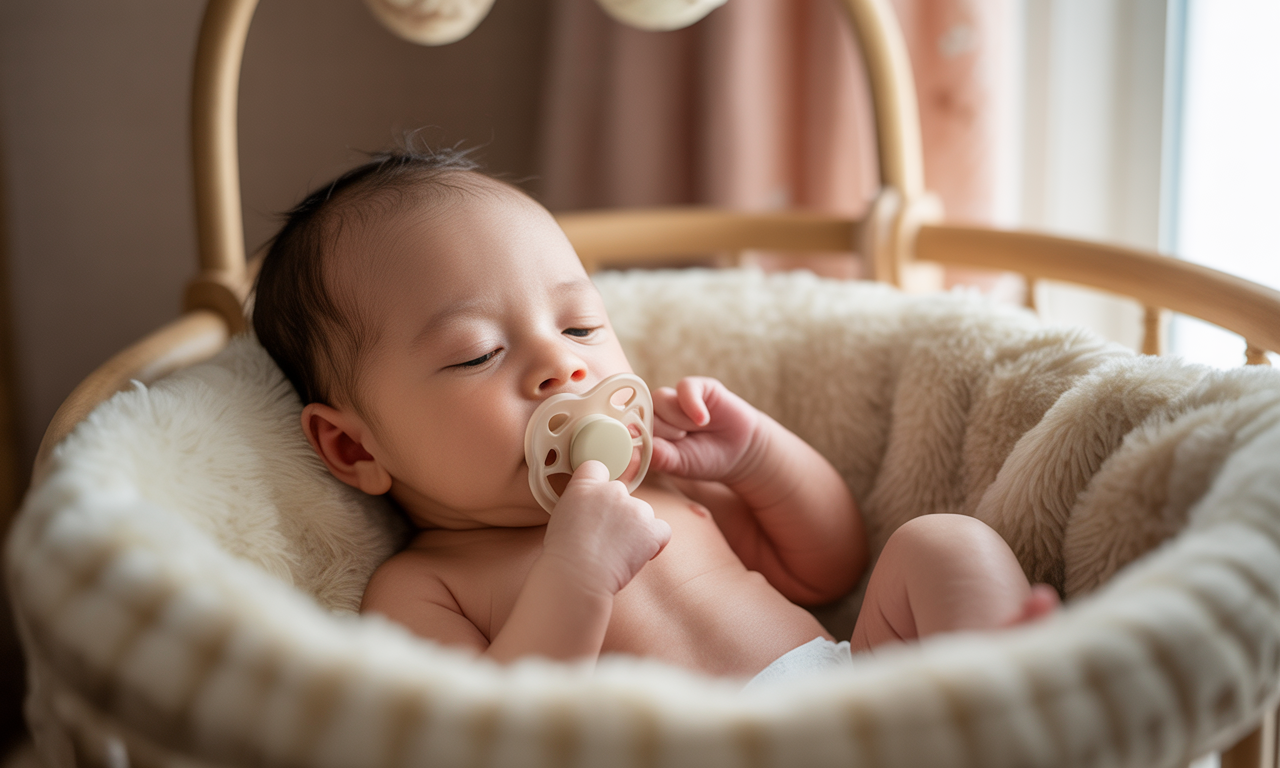
When Emma’s pacifier was accepted around four weeks, her parents noticed faster naps and gentler night awakenings. By introducing the pacifier within a calm, consistent bedtime routine—warm bath, soft lullaby, then pacifier—they established clear sleep cues. This approach aligns with recommendations on Tommee Tippee.
Next, we’ll address potential concerns—from ear infections to dental health—and how to navigate them without abandoning the pacifier altogether.
Managing Risks: Ear Infections, Breastfeeding, and Dental Health
While pacifiers offer undeniable sleep benefits, mindful use is essential to avoid unintended consequences. Physicians caution that infants over six months using a pacifier excessively may face a higher incidence of otitis media. The good news: limiting use to sleep times can significantly reduce this risk.
- Breastfeeding interference: Wait 3–4 weeks to avoid nipple confusion (Natural Parenting Center).
- Ear infection vigilance: Monitor for symptoms—consult pediatric advice if infections recur.
- Dental alignment: Wean by 12 months to prevent open bite or misaligned teeth.
- Proper size: Ensure nipple length suits baby’s mouth; check packaging guidelines.
Brands like Dr. Brown’s and Nuk offer orthodontic shapes aimed at minimizing dental stress. Yet families using Sophie la Girafe pacifier options also report positive experiences—proof that individual preference plays a role. If ear infections appear, pausing pacifier use and seeking advice can restore comfort without permanent discontinuation.
For breastfeeding moms, the flow rate and nipple shape of the pacifier matter. Models from Medela simulate a natural breast-like feel, easing babies into non-nutritional sucking without confusing their latch. Always introduce these tools after feeding sessions to maintain milk supply and avoid frustration.
Understanding these trade-offs allows parents to make nuanced decisions: continue pacifier use for sleep but adopt practical safeguards. Up next, discover how to blend pacifier comfort into a holistic, risk-reduced sleep environment.
Integrating Pacifiers into a Safe Sleep Environment
A properly set up sleep space can amplify pacifier benefits and minimize hazards. The American Academy of Pediatrics recommends back-only sleep, a firm mattress, and a clutter-free crib. The Thompsons applied these guidelines and removed all bedding extras when Emma began using her Philips Avent pacifier for naps and night sleep.
- Back to sleep: Always place baby supine; no tummy sleeping allowed (Safe Babies Sleep Back).
- No loose items: Keep blankets, pillows, and plush toys out of reach.
- Optimal temperature: Maintain 68–72°F; use a wearable blanket instead of covers.
- Sound cues: White noise or gentle fan noise supports uninterrupted sleep.
Convenience meets safety when parents skip pacifier clips in the crib, avoiding strangulation risks. Instead, they place a fresh pacifier on the mattress before laying baby down, so Emma often grabs it mid-wake without intervention.
An ototwitter embed below shows real-time tips from pediatric nurse communities:
By combining a solid sleep routine, a pacifier for self-soothing, and a hazard-free environment, the Thompson household reports calmer nights and fewer wake-ups. With this foundation, it’s easier to guide Emma through later weaning stages while preserving her earned sleeping skills.
Step-by-Step Weaning Strategies from the Pacifier
At around 9–12 months, prolonged pacifier dependence can lead to dental concerns. The shift away from pacifiers needn’t be traumatic. The Thompsons began by restricting Emma’s pacifier to only one sleep session per day, gradually phasing out naptime use first. Over two weeks, the pacifier was limited to bedtime only, then replaced with verbal reassurance and a soft comfort object like a small blanket.
- Gradual reduction: Remove the pacifier from one sleep period at a time.
- Offer alternatives: Introduce a plush toy or teething ring from BabyBjorn or Nuby.
- Positive reinforcement: Praise baby when going to sleep without the pacifier.
- Storytime transition: Incorporate a favorite bedtime book to signal comfort without sucking.
For toddlers resisting the change, implementing a “pacifier fairy” ritual—where the pacifier is gifted to a new baby—creates excitement rather than loss. Anecdotally, this trick has reassured children that they’re part of a special tradition, easing anxiety.
Choosing the right moment and pace ensures minimal sleep disruption. By 14 months, Emma was sleeping through the night without reliant sucking, her oral development on track. This thoughtful approach blends emotional support with skillful guidance.
Transitioning off the pacifier marks a new stage: confidence in self-soothing without external aids. It underscores that pacifiers are aides—not crutches—and that healthy sleep habits endure beyond infancy.
Frequently Asked Questions
- Is it safe for a newborn to sleep with a pacifier all night?
Yes. As long as the pacifier meets safety standards, is the correct size, and the crib remains free of loose items, babies can sleep soundly with a pacifier. - What if my baby refuses the pacifier?
Not every infant adapts. Offer it gently when calm, but respect their preference. Alternatives like gentle rocking or swaddling can be equally effective. - How do I keep the pacifier clean?
Sterilize by boiling for five minutes initially, then wash with hot soapy water or safe pacifier wipes after each use. Replace every 4–6 weeks. - Can pacifier use affect breastfeeding?
Introduce after breastfeeding is established (3–4 weeks) to avoid nipple confusion. Keep feedings and pacifier sessions separate. - When should I start weaning off the pacifier?
Begin gradual weaning between 9–12 months to prevent dental misalignment and encourage self-soothing without sucking.