On this page
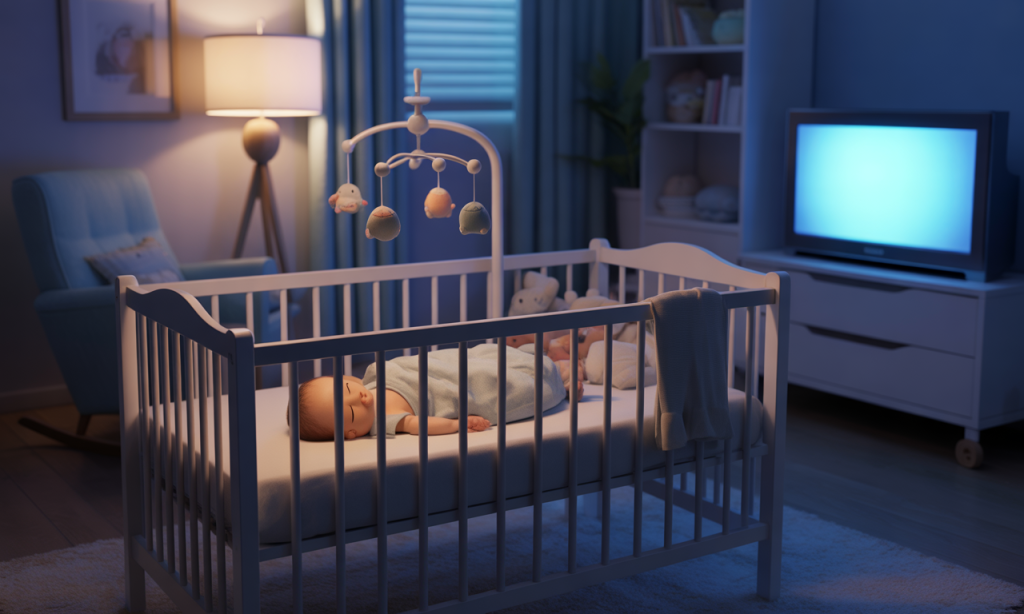
In today’s hustle, many caregivers face the question: can a faint glow and quiet murmur of a television hamper a baby’s sleep quality? This exploration stitches together expert insights, scientific observations, and parenting anecdotes to weigh the risks and propose gentle alternatives. Recent guidance from the American Academy of Pediatrics underscores minimal screen exposure for infants under 18 months—but what about ambient background noise and light? From disrupted circadian rhythms to speech-development concerns, each factor shapes an infant’s early foundation. Manufacturers like Pampers and Summer Infant have responded with technology-driven calming devices, yet the lure of background entertainment remains strong for exhausted parents craving a few moments of rest. Between innovative monitors, such as Owlet devices, and sensory toys by Baby Einstein, a rich landscape of options emerges to soothe little ones without screen exposure. As we navigate this evolving terrain—with references from resources like TheAsianParent and BabySense Monitors—readers will uncover practical strategies, expert-endorsed guidelines, and safe alternatives to create a nurturing, screen-free sleep haven.
Potential Risks of a TV Running in Baby’s Sleep Environment
Allowing a TV to flicker in the background may seem harmless—after all, the volume is low, and the baby is resting. Yet several studies highlight that even dim light and muted noise can subtly impair developmental processes. With infant brains undergoing rapid growth—tripling in size during the first year—early sensory inputs hold disproportionate sway over neural wiring. Engaging screens inadvertently compete with more beneficial stimuli like caregiver interaction.
Key concerns include:
- Light Pollution: Blue-spectrum emissions from LED TVs can suppress melatonin production, delaying sleep onset and reducing total sleep time. Research presented on New Horizons Message shows that even indirect exposure before bedtime can shorten sleep cycles by up to 20 minutes per night.
- Auditory Distraction: Soft background dialogue or sudden sound effects may trigger micro-arousals in infants, fragmenting their deep sleep phases. According to Community Choice Pediatrics, these brief awakenings, though unnoticed by parents, can add up to significant sleep loss over weeks.
- Language Stimulation Trade-Off: The American Academy of Pediatrics discourages screen exposure for under-18-month-olds. When a TV is on, adults naturally speak less—diminishing the rich verbal exchanges critical for language development.
- Reduced Bonding Moments: Quality one-on-one time—whether reading with a Philips Avent soft-block set or exploring tactile fabrics from Munchkin—outweighs passive screen time. Infants learn facial expressions and social cues through direct engagement, not from animated characters.
- Delayed Myelination: Studies link extended background screen exposure to lower myelination in white matter, potentially slowing speech and motor milestone acquisition.
Moreover, anecdotal evidence from caregivers using Graco swings or Fisher-Price bouncers suggests that babies lulled by screens often display fussiness when the TV is off—indicating early patterning of reliance. Pediatric nurse-educators caution that while occasional TV use during feedings might not cause long-term harm, habitual background viewing during naps or nighttime can pave the way for restless nights and delayed developmental gains. Balancing parental downtime with infants’ needs remains a delicate art.
Next, we’ll explore how light and noise specifically shape a baby’s internal clock and sleep architecture.

How Background Screen Light and Noise Affect Infants’ Sleep Cycles
Infant sleep architecture differs markedly from that of adults. Newborns cycle through REM and non-REM stages every 50–60 minutes, compared to the 90-minute adult rhythm. Even minimal sensory inputs can reset or fragment these delicate cycles. Light wavelengths around 460–480 nanometers—common in modern LED televisions—are particularly potent at inhibiting melatonin release.
Effects on Circadian Rhythms
Exposure to screen light during evening naps or nighttime feedings can delay the onset of deep sleep, leading infants to spend more time in lighter stages. Over time, this can:
- Shift natural sleep-wake patterns, causing later bedtimes
- Increase daytime sleep pressure, resulting in shorter naps
- Elevate cortisol levels, hinting at stress responses
A 2025 white paper on Sleep Baby notes that infants in households with evening TV viewing experience an average of 15–25 minutes less total nightly sleep.
Noise Interference and Startle Responses
The human brain remains attuned to auditory cues even in deep sleep. Background TV murmur can provoke:
- Micro-Arousals: Brief awakenings lasting only a few seconds, resetting sleep depth.
- Heart Rate Variability: Fluctuating in response to unpredictable sounds like commercials or scene changes.
- Elevated Stress Hormones: Cortisol spikes tied to sudden noises can hamper overall sleep quality.
According to pediatric research cited on Healthline, consistent background noise above 50 decibels—comparable to a quiet conversation—can disrupt infants’ restorative sleep phases.
Seeking alternatives, some parents invest in white-noise machines by Hatch Baby or streaming lullabies via VTech sound soothers, maintaining a steady, predictable auditory environment. Unlike television, these options minimize sudden loud spikes while offering rhythmic patterns conducive to deeper, uninterrupted sleep.
Understanding these mechanisms is crucial for crafting a truly restful space. Next, discover expert-endorsed guidelines for screen use around infants.
Recommendations from Pediatric Experts and Organizations
Renowned bodies such as the American Academy of Pediatrics (AAP) and the World Health Organization (WHO) consistently emphasize a screen-free environment for infants under 18–24 months. Their consensus is built on longitudinal studies tying early screen exposure to language delay, attention difficulties, and disrupted sleep.
Official Guidelines for Screen Use Near Infants
- No Exposure for Under-18-Months: Total abstinence except for live video chats. Experiences shared on FirstCry Parenting back this up.
- Joint Media Engagement: For older toddlers (18–24 months), co-viewing educational content can boost word learning and concept comprehension.
- Screen-Free Zones: Designate nurseries and bedrooms as no-TV areas—an approach supported by pediatricians at ParentsAndMore.
- Scheduled Limits: Outside bedrooms, allow no more than one hour daily of high-quality programming for ages 2–5.
- Media Role Modeling: Parents should be mindful of their own screen habits. Children mimic adult behaviors—placing emphasis on reading time over background TV.
Social media conversations also echo these recommendations. A recent Twitter thread (
) highlights how subtle policy shifts in 2025 now recognize bedroom screen bans as essential. Furthermore, interactive apps under pediatric supervision—such as Baby Einstein’s digital storybooks—can be introduced only when children reach developmental milestones beyond infancy.
Beyond screen policies, environmental controls matter. Pediatric nurses advise regulating room humidity for optimal lung function—guided by safety pointers on TipsForSafety and Baby Humidifier Safety. Maintaining 40–60% relative humidity smooths respiratory passage and may shorten night wakings for congestion-prone infants.
These best practices form a robust framework: keep screens out of sleep spaces, engage directly with your baby, and cultivate a calm, consistent routine. Coming next: creative alternatives that soothe infants without a flickering screen.

Alternative Activities for New Parents During Baby’s Nap Time
When babies drift off to sleep, parents often find themselves torn between rest and catching up on chores. Swapping the TV remote for nurturing activities strengthens bonds and advances development. Below are engaging, screen-free ideas that respect infants’ naps while offering caregivers quiet fulfillment.
- Sensory Play Sessions: Rotate tactile toys like Fisher-Price rattles, Munchkin soft blocks, or edible finger paints. Sensory engagement surpasses passive screen viewing by stimulating fine motor skills and cognitive associations.
- Gentle Household Workouts: Incorporate baby-safe weighted wristbands or a monitored Graco swing beside a yoga mat. Quiet stretching enhances circulation and mood without startling your sleeping infant.
- Mindful Reading Rituals: Choose sturdy board books or interactive fabric stories from Pampers gift sets. Even if the baby snoozes, sight of a parent reading fosters early literacy appreciation.
- Routine Maintenance: Use nap time to adjust humidifiers or dehumidifiers—always following guidance from TipsForSafety and Baby Dehumidifier Sleep Safety. Proper air quality can reduce congestion and improve rest.
- Calming Music Playlists: Curate lullaby compilations on smart speakers. Unlike random TV noise, these playlists provide predictable rhythms conducive to deep sleep.
For parents juggling chores, a robotic vacuum can be a lifesaver. Yet safety checks are critical: follow recommendations at Robotic Vacuum Safety 2025 to avoid accidental tumbles. Meanwhile, Alexa-enabled devices can recite gentle affirmations or reminders, freeing caregivers to hydrate, stretch, or practice deep breathing.
Sound machines by Hatch Baby or VTech often include dim nightlights, offering dual benefits without flicker. Placing one across the room ensures any glowing display remains rather than a bright screen. Similarly, Owlet monitors integrate pulse oximetry and warmth sensors without streaming video, letting parents rest assured while staying off screens.
Through thoughtful swaps—home workouts, sensory kits, or quiet reading—parents gain genuine relaxation, and babies maintain a stable, screen-free sleeping environment. Up next: constructing the ultimate soothing space without relying on televisions.
Creating a Safe and Soothing Sleep Space Without Screen Dependence
Designing an infant’s sanctuary requires attention to temperature, lighting, sound, and air quality—sans any reliance on TVs. Drawing on insights from ShunChild and SafeS, combined with in-home trials by families using Summer Infant monitors, a cohesive blueprint emerges:
Optimal Lighting and Temperature
Install dimmable LED nightlights tuned to amber hues, avoiding blue-rich spectrums. Maintain a room temperature near 68–72°F (20–22°C) with consistent monitoring from a Baby Einstein smart thermometer.
Soundscaping for Restful Sleep
- White Noise Machines: Devices like Hatch Baby Rest ensure uniform sound. Unlike TV, they lack unpredictable fluctuations.
- Soft Lullabies: Preload calm compositions on VTech or Philips Avent Bluetooth speakers.
Air Quality and Safety
Balance indoor humidity using models vetted by safe-humidifiers-home. Complement this with low-profile dehumidifiers certified for baby rooms. Remove clutter, secure cords, and ensure the crib meets 2025 CPSC standards.
Embracing Bonding Rituals Over Screens
- Nightly gentle massage with baby-safe oils fosters relaxation.
- Soft storytelling rituals strengthen emotional security.
- Interactive mobiles—spin gentle colors and shapes, powered by Fisher-Price or Summer Infant safe motors.
By prioritizing these elements—controlled lighting, regulated sound, clean air, and intentional bonding—families craft a tranquil sleep haven. The absence of a TV not only safeguards development but also enriches caregiver-infant connections.
Building a screen-free sanctuary helps ensure your baby’s sleep is both deep and restorative.
FAQs About Babies Sleeping with a TV On
Q: Can occasional low-volume TV noise ever benefit a baby’s sleep?
A: While background noise can mask sudden household sounds, unpredictable changes in volume and content may cause micro-arousals. Consistent white noise machines are safer alternatives.
Q: What if siblings want the TV on while baby naps?
A: Designate separate rooms for entertainment using screen-free bedroom rules. Portable headphones for older children can preserve a quiet nursery.
Q: Are video calls exceptions to screen-free guidelines?
A: Yes. Live video chats with grandparents can promote social bonding without the passive risks of scripted programming.
Q: How can I replace the comfort of a dim TV glow?
A: Amber-hued nightlights or low-power LED lamps mimic gentle luminescence without emitting melatonin-suppressing blue light.
Q: When is it safe to introduce educational TV shows?
A: After 18–24 months, co-view select high-quality content for up to one hour daily, supplementing with interactive, hands-on activities for balanced learning.