On this page

Families embarking on cross-country journeys often find themselves juggling rest stops, diaper changes and feeding schedules – all while ensuring little ones are safe and sound. In 2025, with travel back to pre-pandemic levels and roads busier than ever, understanding how long an infant can safely snooze in a car seat has shifted from a nice-to-know tip to an essential parenting skill. New research from pediatric safety groups and fresh updates from institutions like the American Academy of Pediatrics challenge caregivers to rethink on-the-go naps. Can a newborn handle more than half an hour? Should older infants pause every two hours? And how do brands such as Graco, Britax or Chicco stack up when it comes to prolonged comfort without compromise?
Medical insights underline breathing risks when a baby’s head tilts too far forward, yet parents seeking smooth drives without wake-up calls crave clear guidelines. Expert voices point to a two-hour rule for infants beyond the first month, while newborns are urged to cap car seat time at 30 minutes. Meanwhile, industry leaders like Maxi-Cosi and Safety 1st design seats with extra padding and airflow channels, which may help but don’t replace safe practice.
Between bustling road trips and last-minute detours, navigating proper seat installation, monitoring slumping posture and planning strategic breaks often feels overwhelming. This article weaves together official recommendations, real-life examples and hands-on advice – from choosing the right Diono seat for a growing toddler to scheduling timely pit stops with a UPPAbaby stroller primed for quick transitions. Each section unpacks a distinct aspect of on-road slumber, giving parents both the what and the why for every precaution. Buckle up: the next sections will map out safety time limits, spotlight hidden hazards and reveal proven tactics for the ultimate blend of rest and travel bliss.
Understanding Car Seat Sleep Limits: Expert Time Guidelines
Pediatric authorities worldwide stress that car seats are travel devices, not substitutes for cribs. Healthcare experts advise strict time windows to minimize risks. According to recently updated guidance:
- Newborns (0–4 weeks old): Maximum 30 minutes at a time. Source: Sleepy Angels Consultancy.
- Infants (over 4 weeks old): Maximum 2 hours at a time within any 24-hour span. Reference: Snuggy Mom.
- Combined settings: These limits apply whether the seat is in a vehicle, stroller or used indoors.
Parents traveling with brands like Evenflo or Cybex should track cumulative time diligently, setting alarms if needed. While some seats promise enhanced recline angles and breathable fabrics, no brand—be it Baby Trend or UPPAbaby—overrides the core guideline.
Official Recommendations from Leading Organizations
The American Academy of Pediatrics (AAP) and the NHS both emphasize moving infants to a flat, firm surface as soon as possible. More details can be found via HealthyChildren.org. For those seeking additional angle-by-angle imagery of proper positioning, Consumer Reports offers visual guides on harness snugness and head support.
In practice, caregivers driving Graco seats often report small slumps within 10 minutes; this underscores the need for vigilant monitoring, especially on unplanned detours.
Medical Rationale Behind Time Caps
Research highlights that infants’ neck muscles remain underdeveloped for the first few months. In a semi-reclined position, they can slump into a chin-to-chest posture, impairing airways. The curved shell of a car seat places uneven pressure on the spine and hips, raising concerns about prolonged use. Overheating within harness straps adds another layer of danger, particularly on warm spring days when ventilation is limited.
- Positional asphyxia: Head tilt blocks breathing passages.
- Musculoskeletal strain: Curved seating disrupts healthy spine alignment.
- Heat retention: Limited airflow increases SIDS risk.
In sum, adhering strictly to time guidelines not only aligns with medical wisdom but also shapes a routine where a baby can nap safely at home rather than in motion. Next, the hidden hazards of over-reliance on seated sleep will be explored.
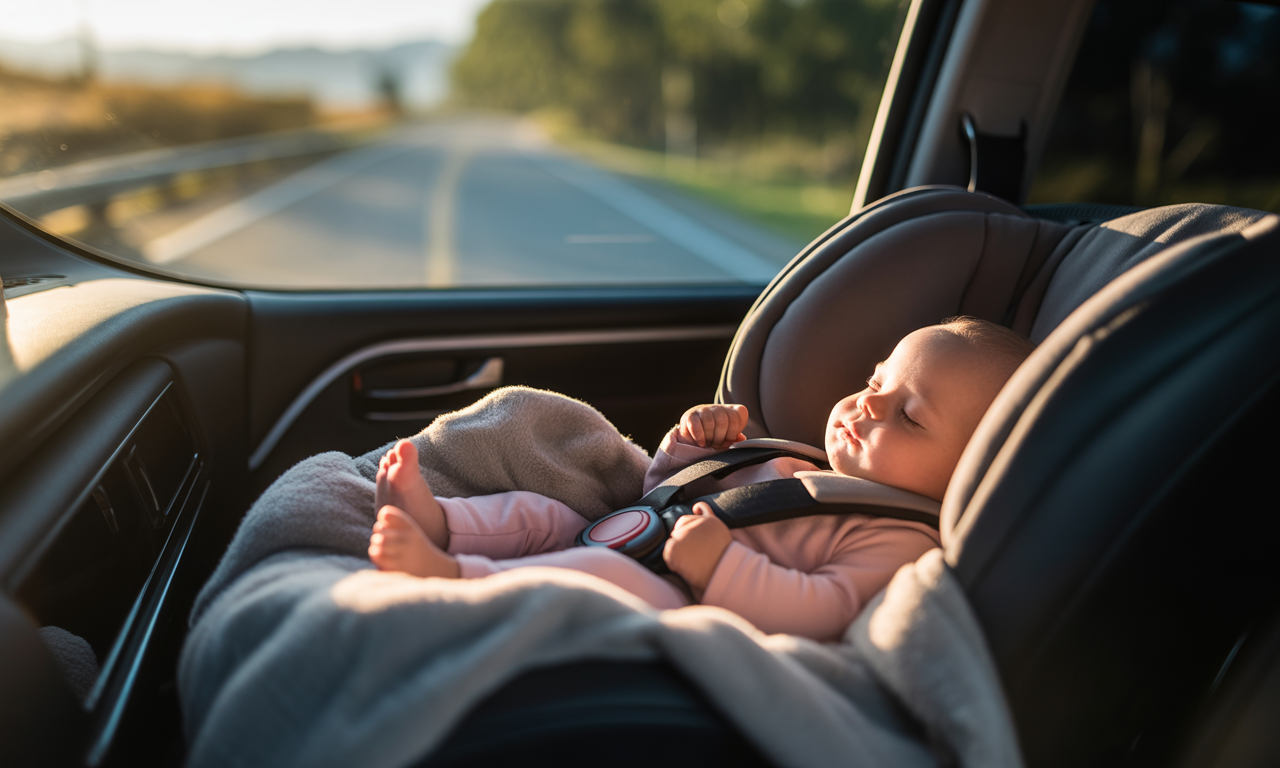
Risks of Prolonged Sleep in Car Seats: Positional and Health Concerns
Extended naps in travel seats might seem harmless, but studies dating back to 2015 reveal alarming trends. The Journal of Pediatrics highlighted cases where infants suffered from suffocation due to chin-to-chest slump in semi-upright devices. More recently, a 2024 Newsweek report reminded parents that the two-hour rule isn’t arbitrary—it’s life-saving.
Positional Asphyxia Explained
When neck muscles collapse, a forward slouch blocks the windpipe. Common signs include shallow breathing and muffled noises. If a baby is left unattended in a car seat, this risk heightens significantly, even in the back seat of a modern SUV.
- Risk factor: Weak infant neck tone.
- Consequence: Airway obstruction leading to suffocation.
- Preventive action: Regular observation, especially in brands lacking side impact padding like certain older Evenflo models.
For an in-depth examination of spinal stress and hip development concerns, check Orbit Baby’s blog. Their case studies illustrate how prolonged curved seating can contribute to long-term posture issues.
Broader Health Impacts Over Time
Aside from immediate breathing threats, medical experts warn of flat head syndrome (plagiocephaly) when infants spend too much time reclined. Car seats, strollers and swings share this flaw. While many rely on stylish chicco or Britax carriers for convenience, these devices should never become makeshift cribs.
- Flat Head Syndrome: Uneven skull pressure molds soft spots.
- Spinal Compression: Constant curve affects natural S-shape formation.
- Overheating: Limited airflow around harness straps.
Babies dropped off in a swing or bouncer for naps face similar concerns. Always opt for a firm, flat mattress when feasible. As this section underscores, risk awareness shapes safer road trips and highlights why minimum breaks matter. The next section will dive into best practices for on-road comfort and safety.
Best Practices for Comfort and Safety on Long Drives
It’s one thing to enforce time limits; it’s another to keep infants content during every mile. Installing a car seat correctly is step one. Whether using a Safety 1st base or a Cybex LATCH system, proper attachment prevents unwanted shifting. Consulting a Certified Passenger Safety Technician (CPST) can save countless mistakes.
- Check Installation: Tightly secure with seat belt or LATCH, per manufacturer guidelines.
- Stay Rear-Facing: Keep infants facing the back as long as height/weight limits allow.
- Blanket Placement: Use a rolled receiving blanket alongside the baby, not under harness straps.
- Dress in Layers: Light clothing with a loose blanket over straps prevents harness slack.
Monitoring and Break Schedules
Frequent stops are non-negotiable. Aim to pull over every 90–120 minutes, especially if the infant is deeper into the first year. During breaks:
- Transfer the child to a portable bassinet or playard.
- Engage in gentle stretches and tummy time for older babies.
- Offer feeds and diaper changes away from the car’s heat or cold.
For insights on creating a restful on-the-road environment, explore Tips for Safety’s guide. They recommend soft background noise at low volume to help infants transition between motion and stillness.
Brands such as Graco, Britax and Maxi-Cosi continuously refine recline mechanics to optimize airflow. Still, no matter how advanced a seat, periodic out-of-seat intervals remain critical. Remember: even a quick cuddle break on the roadside can reset posture and breathing flow. This routine not only safeguards your baby but also refreshes drivers and co-passengers. Next up, transferring sleepy travelers into ideal sleep environments.

Transferring from Car Seat to Safe Sleep Environments
Upon reaching a rest area or home destination, the immediate goal is moving the infant to a flat, firm surface. Short of disassembling the seat into a makeshift bed, caregivers should:
- Gently unbuckle and lift the baby, supporting head and neck.
- Lay the child on their back in a crib, bassinet or playard.
- Remove all loose blankets, pillows and toys to adhere to AAP guidelines (What to Expect).
Choosing the Right Flat Sleep Surface
Comparing swings, bouncers and bassinets reveals a clear hierarchy: beds trump seats. Swing units like those from Baby Trend can offer brief comfort, but infants should not nap longer than 15–20 minutes in them. More details at Tips for Safety.
When settling a baby, ensure the mattress is firm, the sheet fitted and the sleep space free of loose bedding. Parents often overlook that even the most luxurious strollers function best for travel, not sleep.
- Playard Pros: Collapsible for easy transport, firm base and breathable mesh.
- Bassinet Benefits: Elevated sides, portable but limited use as baby grows.
- Crib Standards: Ultimate choice at home with standardized safety testing.
The final step before dozing is checking temperature – avoid overheating by setting room thermostat between 68–72°F (20–22°C). This simple transfer maximizes safety and comfort, ensuring the nap continues without risk. Up next: selecting the optimal car seat model for journeys and sleep intervals.
Equipment Essentials: Choosing the Right Car Seat for Sleep and Travel
Picking a car seat that balances safety, comfort and adaptability can be daunting. Popular models from Britax, Chicco and Maxi-Cosi dominate best-seller lists, while niche brands like Cybex or Diono appeal for customization options. Key criteria include:
- Recline Positions: More angles help maintain airway openness.
- Adjustable Headrests: Accommodate growth and proper fit.
- Breathable Materials: Mesh fabrics reduce heat buildup.
- Easy Installation: Clear indicators and tightness sensors.
- Warranty & Expiry Date: Confirm the seat hasn’t passed its safe-use window.
Comparative reviews at Mother & Baby break down top picks by age range. The UPPAbaby Knox model, for example, excels in air circulation, whereas the Diono Radian series focuses on space efficiency and side-impact protection.
Top Car Seat Picks for Road Trips
- Graco Extend2Fit: Extended use from infant to toddler with multiple recline settings.
- Britax Boulevard ClickTight: Quick installation, strong steel frame for side-impact strength.
- Chicco NextFit Zip: One-hand harness adjustment and washable liner.
- Maxi-Cosi Magellan Max: Premium cushioning with temperature control fabrics.
- Safety 1st Grow and Go: Budget-friendly, rear-to-front convertible seat.
Evenflo’s Spectrum All-in-One offers a unique no-rethread harness, while Cybex’s Sirona Smart rotates for easy access. Before each journey, revisit harness snugness and expiration details. With the right seat, caregivers can reduce anxiety, knowing infants rest more comfortably and safely.
Choosing wisely extends safe slumber and streamlines packing. These models set the foundation for healthier travel naps and straightforward post-drive transfers. Now, turn to the FAQ for quick answers to common concerns.
Frequently Asked Questions
How often should I stop for breaks on a long drive with a baby?
Experts recommend pulling over approximately every 90–120 minutes. During each break, transfer your baby from the car seat to a firm, flat surface for feeding, diapering and limb stretching.
Is it safe to let my 3-month-old snooze in a rotating car seat adapter?
No. Rotating adapters don’t replace time limits. Even in a rear-facing position, sessions should not exceed two hours, and newborns under four weeks need shorter intervals of 30 minutes.
Can I use a baby swing for extended naps after car rides?
Swings and bouncers are meant for brief comfort periods, up to 15–20 minutes. For safer sleep, move your infant to a crib or portable bassinet equipped with a firm mattress.
Do all car seats from top brands meet the same safety standards?
All new seats must comply with federal crash tests, but features vary. Look at recline angles, breathable fabrics and ease of installation. Always verify the expiration date and recall status before use.
What signs indicate my baby is too sleepy in the seat?
Watch for head flop, shallow breathing or muffled sounds. If any occur, stop immediately, adjust cushioning or relocate the baby to a flat surface to ensure a clear airway.