On this page
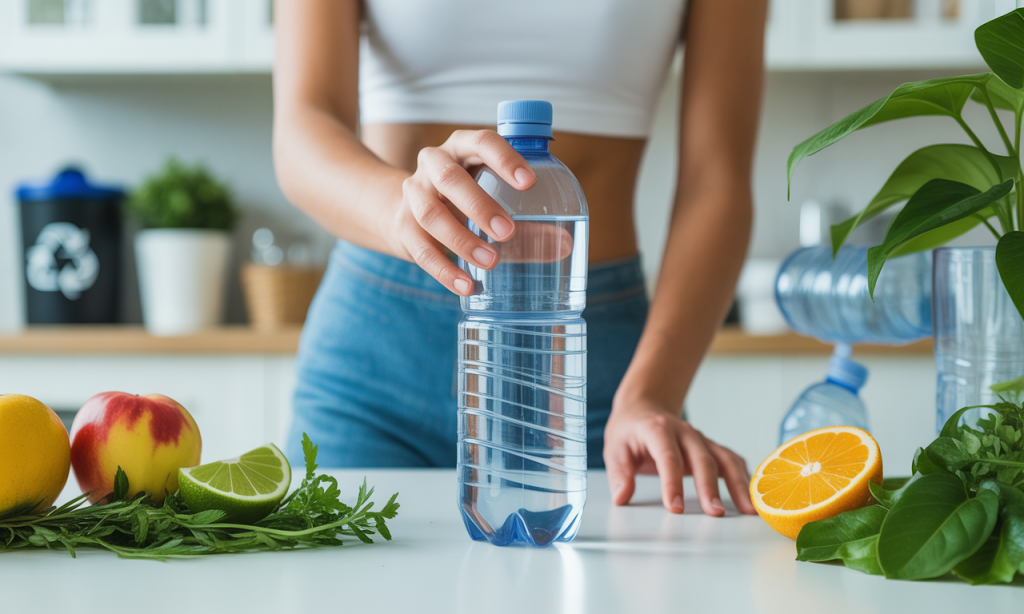
From office desks to gym lockers, plastic water bottles have become synonymous with modern hydration. In 2025, the debate around these ubiquitous containers has never been more intense: convenience clashes with concerns over chemical leaching, microplastics and landfill overflow. Global consumption of bottled water — from Aquafina to Evian and Smartwater — continues to climb as consumers chase purity, often ignoring hidden health and environmental costs. Recent studies highlight that Bisphenol A (BPA), phthalates and other additives can migrate into liquids, raising questions about endocrine disruption and long-term disease risks. 📊
Simultaneously, the rise of BPA-free brands and reusable models like Nalgene, CamelBak or Brita filters promises safer daily hydration. Yet, not all plastics labelled “food-grade” are created equal. Single-use options may seem innocuous, but repeated exposure to heat, scratches and UV light accelerates degradation. This article examines the science behind plastic composition, evaluates leading bottle types, explores sustainable alternatives, and offers expert tips for staying hydrated safely every day. Embedded insights, tables and real-world examples form a dynamic guide for consumers determined to make informed choices in a world awash in plastic. 💧
What Chemicals Are in Common Plastic Water Bottles? Understanding Health Implications
Plastic water bottles are often made from several polymer types, each associated with distinct chemicals. Polyethylene terephthalate (PET), used for bottled spring water brands like Evian and Aquafina, can release antimony oxides under high temperatures. Polycarbonate containers, once widespread in reusable designs, contain Bisphenol A (BPA) — a synthetic estrogen linked to hormone disruption. Even “BPA-free” alternatives may rely on Bisphenol S (BPS) or Bisphenol F (BPF), whose safety profiles remain under scrutiny.
Temperature, UV exposure and physical wear accelerate leaching processes. A 2024 study in The Journal of Environmental Science reported that microwaving or dishwasher cycles can increase plastic fragmentation by up to 70%. Consumers who leave bottles in hot cars risk higher concentrations of these compounds in their water.
Leaching and Temperature Effects
Heat acts as a catalyst. When plastic warms beyond ambient conditions, polymer chains break down and release additives. A nine-week laboratory experiment demonstrated that PET bottles exposed to 40°C for 72 hours saw antimony levels exceed WHO guidelines by 20%. Stocks left under direct sunlight also showed increased microplastic counts.
Long-term Exposure Studies
Epidemiological research links chronic ingestion of BPA and phthalates to metabolic syndrome, infertility and certain cancers. A cohort study of 5,000 participants found that individuals with higher urinary BPA had a 24% greater risk of Type 2 diabetes over a decade. Although causation remains debated, regulatory agencies worldwide, including those referenced by Tips for Safety, advise minimizing exposure where possible.
- 🚰 PET (Polyethylene Terephthalate): Widely used, moderate risk under heat
- ⚠️ PC (Polycarbonate): Contains BPA, avoid for repeated use
- ✅ PP (Polypropylene): Stable, lower leaching potential
- ❌ PS (Polystyrene): Not recommended for hot or repeated use
- 🔍 Bio-based plastics: Emerging, safety still under review
| Polymer Type | Chemical Concern 😊 | Temperature Risk 🌡️ | Recommendation 📌 |
|---|---|---|---|
| PET | Antimony | Medium | Limit sun/heat exposure |
| PC (Polycarbonate) | BPA/BPS | High | Avoid reuse |
| PP | Minimal additives | Low | Safe reusable |
| PS | Styrene | High | Not for hot liquids |

Understanding the specific chemicals and how they interact with environmental factors is vital. Consumers can reduce risk by choosing stable polymers and avoiding heat stress — a simple yet powerful gesture for long-term health.
Which Plastic Bottles Are Safe for Daily Hydration? Brands and Materials Evaluated
Not all plastic bottles pose equal risks. Brands such as Nalgene and CamelBak champion BPA-free, medical-grade plastics designed for repeat use. Similarly, Brita and Contigo offer filters and lids that minimize bacterial growth while utilizing polypropylene (PP) or high-density polyethylene (HDPE), materials known for low leaching.
However, caution remains essential when considering disposal practices and surface damage. Scratched or worn bottles can harbor bacteria and microplastics. To choose a reliable container, consumers can consult resources like Which Plastic Bottles Are Safe for Drinking Water? and recent guides from Water Bottle Advisor.
- 🥤 Nalgene: Tritan™ copolyester, dishwasher-safe, low odor
- 💧 CamelBak Eddy: BPA-free Eastman Tritan™, leak-proof
- 🚰 Brita Fill & Go: Integrated filter, PP body
- 🔒 Contigo Autoseal: Insulated lid, polypropylene
- ✨ S’well (plastic liners phased out): now stainless steel core
| Brand | Material 😊 | BPA Status | Ease of Cleaning 🧼 |
|---|---|---|---|
| Nalgene | Tritan™ | BPA-free | High |
| CamelBak | Eastman Tritan™ | BPA-free | Medium |
| Brita | PP + Filter | BPA-free | Medium |
| Contigo | PP + Stainless Lid | BPA-free | Medium |
Experts warn against repeated refilling of disposable bottles — a practice dissected in The Healthy and highlighted by MSN Wellness. Scratches and residual moisture foster bacterial colonies, while microfractures can accelerate chemical release. 👍
Selecting high-grade reusable bottles, maintaining a strict cleaning routine and retiring damaged units every 12–18 months form the backbone of safe daily hydration. This strategy balances consumer convenience with minimal health risk.
Environmental Impact of Disposable vs Reusable Water Bottles in 2025
Environmental costs of single-use plastic water bottles are staggering. Each year, an estimated 700 million tons of plastic end up in landfills or oceans. According to a recent report by SplitFlask, carrying a reusable bottle could save over 150 single-use containers annually per person. 🌍
Lifecycle analyses compare carbon footprints: production, transport, washing and disposal. Single-use PET bottles often travel long distances; transport emissions can exceed manufacturing impacts. Reusable PP or stainless bottles require more initial resources but equilibrate after roughly 50 uses. Recycling infrastructure and consumer habits further influence the equation.
- 🌱 Production emissions: PET ≈ 2.0 kg CO₂ per kg plastic
- 🔄 Reuse threshold: 35–50 cycles to offset production cost
- 🚚 Transport impact: Local refills reduce mileage
- ♻️ Recycling rate: Under 30% globally for PET
- 🗑️ Landfill persistence: >450 years decomposition
| Bottle Type | CO₂ Footprint 🌿 | Reuse Count to Break Even 🔄 | End-of-Life Fate 🗑️ |
|---|---|---|---|
| Single-Use PET | High | N/A | Landfill/Ocean |
| PP Reusable | Medium | 35–50 | Recyclable |
| Stainless Steel | High | 100+ | Recyclable ❤ |
Given the 2025 push for sustainability, consumers should calculate reuse frequency and local recycling capabilities. Transitioning to durable bottles not only curbs waste but also minimizes carbon footprints, proving that everyday choices resonate globally.
Insight: A reusable water bottle is an eco-investment — the more it’s used, the greener the impact.
Non-Plastic Hydration Solutions: Stainless Steel, Glass and Innovative Options
Rising concerns over plastic have spurred a renaissance in alternative materials. Stainless steel models like Hydro Flask and Thermos boast insulation, zero leaching and exceptional durability. Glass bottles, often encased in silicone sleeves, offer inert surfaces but fragile form factors. Hybrid designs now integrate smart sensors to monitor intake and temperature, marrying tech with safety.
Stainless steel carries its own considerations: nickel or chromium trace migration under acidic conditions. However, food-grade 18/8 stainless has been vetted in studies found on Feeding Fuel and Walker MetalSmith. Proper cleaning prevents bacterial buildup, while avoiding abrasive pads preserves passivation layers.
- 🔗 Stainless Steel (18/8): No chemicals, excellent temp control
- 🔮 Glass: 100% inert, taste-neutral, risk of breakage
- 💡 Silicone-encased: Impact-resistant, non-slip grip
- 📱 Smart Bottles: Hydration alerts, app integration
- ♻️ Ceramic-lined: Minimal metal contact, stylish
| Material | Health Safety 😊 | Durability 🎯 | Portability 🚗 |
|---|---|---|---|
| Stainless Steel | Very High | Excellent | Medium |
| Glass | Excellent | Low | Low |
| Smart Hybrid | High | Medium | High |
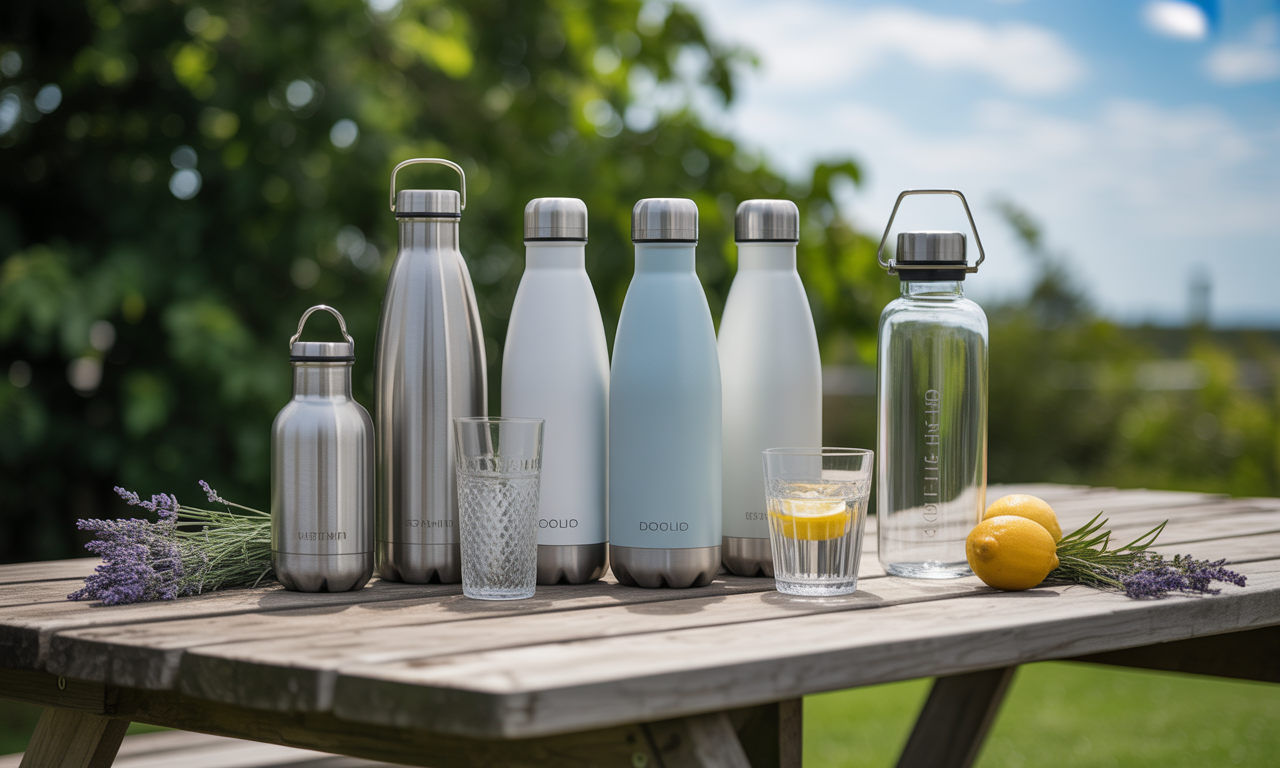
For those eyeing non-plastic options, reputable resources like APEC Water offer in-depth comparisons. Choosing a resilient, inert container not only safeguards health but also elevates the hydration experience.
Key takeaway: Embracing alternatives beyond plastic merges safety, style and sustainability.
Expert Tips for Safe Daily Hydration with Reusable Containers
Ensuring safe hydration extends beyond bottle selection. Daily habits influence bacterial growth, chemical migration, and convenience. Experts recommend a tiered approach: choose quality materials, adopt rigorous cleaning, and align habits with lifestyle needs — from desk work to outdoor adventures.
Parents caring for infants should note safe practices outlined by Tips for Safety, emphasizing bottle sterilization and avoiding chemical exposure. Even pet owners can benefit: research from Tips for Safety warns against offering animals flavored or alcohol-cleaned water, a tangential reminder that only pure H₂O belongs in hydration vessels.
- 🧼 Clean Daily: Warm soapy water or dishwasher on gentle cycle
- ☀️ Dry Thoroughly: Air-dry mouthpieces to prevent mold
- 🔄 Rotate Bottles: Use multiple vessels to allow full drying
- 📆 Replace Annually: Retire scratched or misshapen units
- 📍 Store Upright: Avoid stagnant water in caps
| Task | Frequency ⏰ | Method ✅ | Tools 🧴 |
|---|---|---|---|
| Full Wash | Daily | Soap & Water | Brush, Dish Soap |
| Deep Clean | Weekly | Baking Soda Soak | Water, Baking Soda |
| Lid Inspection | Monthly | Visual & Smell | Hands |
By weaving these best practices into daily routines, hydrated individuals can safeguard against microbial hazards and chemical leaching, ensuring every sip nourishes rather than compromises health.
End section insight: Consistency in care keeps your hydration vessel as safe as the water it holds.
Common Questions About Daily Hydration Safety
- Q: Can microplastics in bottled water affect kidney health?
- A: Studies such as those reported by UNILAD suggest that high microplastic loads may impact renal function over decades. Opting for filtered tap water and inspecting bottles regularly can reduce intake.
- Q: Are glass bottles a practical daily choice?
- A: Glass is inert and safe, but heavier and breakable. Silicone sleeves can mitigate breakage. It excels for desk use or home environments rather than rugged activities.
- Q: How often should reusable bottles be replaced?
- A: Industry guidelines, echoed by Tips for Safety, recommend replacing bottles every 12–18 months or immediately if cracks or odors appear.
- Q: Do filtered water pitchers reduce leaching concerns?
- A: Pitchers like Brita remove chlorine and heavy metals but do not address microplastics from subsequent storage containers. Use glass or stainless funnels to decant filtered water.