On this page

Modern hair straightening techniques promise sleek, glossy locks at the push of a button, yet beneath the allure lies a complex interplay of heat, chemistry, and hair health. From DIY flat irons to salon-grade keratin treatments, consumers in 2025 face a maze of options, each carrying potential risks—from cuticle damage and breakage to respiratory irritations linked with formaldehyde-based formulas. Recent alerts by OSHA and thorough investigations by the Environmental Working Group have spotlighted hidden hazards in popular treatments, urging caution and stricter regulation.
Understanding individual hair types, recognizing the limits of heat tolerance, and selecting the right tools—whether from GHD, BaByliss, or T3—are essential steps toward preserving hair integrity. A structured routine that balances professional advice with home care practices can significantly reduce damage. This article examines the science of heat damage, outlines expert-approved techniques, compares leading brands, and sheds light on chemical straightening risks.
Each section functions as a detailed guide, complete with practical tips, evidence-based tables, and curated resources—such as the deep dive at SupportHairStraightener—to help readers make informed choices. Whether smoothing unruly curls nightly or debating monthly salon rounds, this report equips you with the knowledge to transform your routine into a sustainable, safe ritual without sacrificing shine.
Understanding Heat Damage: How Straighteners Affect Hair Structure
Hair fibers consist of three layers: the medulla, cortex, and the protective cuticle. When temperatures exceed 350°F (180°C), ceramic plates commonly used in devices from Chi to Remington begin to strip the hair’s moisture barrier. This process lifts and fractures the cuticle, making strands brittle and prone to split ends. Over time, repeated passes with a flat iron can reduce tensile strength by up to 60%, as documented in a 2024 study by the International Journal of Cosmetic Science.
The Mechanism of Heat-Induced Damage
When water molecules within the hair shaft rapidly expand under high heat, they can rupture cellular bonds:
- 💥 Denaturation of keratin proteins, weakening elasticity
- 🔥 Formation of micro-fissures in the cuticle layer
- 🥀 Accelerated moisture loss leading to dryness and frizz
These changes create a feedback loop: damaged hair requires more passes at higher heat for a smooth finish, further exacerbating deterioration. Users can consult resources like Beginner’s Fashion to understand how daily styling impacts long-term hair health.
Quantifying Damage: Temperature vs. Exposure Time
| 🔥 Temperature Range | ⏱️ Safe Exposure Time | ⚠️ Risk Level |
|---|---|---|
| 250°F (121°C) | 15–20 seconds per section | Low (🙂) |
| 300°F (149°C) | 10–15 seconds per section | Moderate (😐) |
| 350°F (177°C) | 8–10 seconds per section | High (⚠️) |
| 400°F (204°C) | 5–8 seconds per section | Severe (🚨) |
Factoring in hair density, porosity, and natural moisture content further customizes the ideal heat settings. Fine, chemically-treated, or color-treated hair can start showing damage at lower thresholds, while thick, coarse textures may tolerate slightly higher temperatures.
- 🔍 Assess porosity with a strand test: high porosity often means lower heat tolerance.
- 💡 Use a digital thermometer-equipped plate to ensure consistent temperature.
- 🛡️ Invest in a ceramic or tourmaline iron—brands like Conair and Hot Tools often offer infrared models that distribute heat more evenly.
By matching iron settings to hair characteristics, damage can be minimized. Awareness of the interplay between temperature and exposure time empowers users to protect their hair’s natural architecture.
Key Insight: Calibrating heat and timing based on individual hair traits is the cornerstone of preventing irreversible cuticle damage and maintaining long-term strength.

Best Practices for Damage-Free Straightening Techniques
Optimizing technique plays a pivotal role in safe straightening. Skipping pre-styling steps or rushing through sections often leads to uneven heat application, localized overheating, and cumulative stress on hair fibers. Establishing a ritual that prioritizes preparation and precision can reduce the number of passes per strand, directly mitigating damage.
Step-by-Step Guide to Flawless, Gentle Straightening
- 🧴 Prep with a heat protectant spray: select formulas with keratin or argan oil for added protection.
- 🪞Detangle gently using a wide-tooth comb, starting from ends and working toward roots.
- ✂️ Trim split ends every 6–8 weeks to avoid fraying when heat is applied.
- 🌡️ Heat iron to the minimum effective temperature, rarely above 300°F for fine hair.
- 🔄 Glide plates slowly—avoid clamping too tightly to prevent excessive friction.
Tools matter. Lightweight models with floating ceramic plates from brands like BaByliss and Corioliss can conform to hair strands, promoting even distribution of heat. For those seeking salon-level performance at home, T3’s digital controls and FHI Heat’s ceramic-tourmaline hybrid plates deliver consistent, lower-damage results.
Maintenance Habits to Support Straightened Styles
Beyond styling sessions, ongoing hair health depends on proper cleansers, serums, and deep conditioning:
- 🥥 Weekly deep treatment with protein-rich masks to reinforce cortex.
- 💧 Use a sulfate-free shampoo (e.g., Paul Mitchell’s Moisture Boost) to retain hydration.
- 🌿 Rinse with cool water to seal the cuticle and enhance shine.
| 🧪 Product Type | 🔑 Key Benefit | 🌿 Recommended Brand |
|---|---|---|
| Heat Protectant | Forms a shield against direct heat | Paul Mitchell |
| Leave-In Conditioner | Maintains moisture balance | Chi Silk Infusion |
| Protein Mask | Fortifies internal structure | Olaplex No.3 |
Regularly rotating between styling tools—such as Interweaving blow-dry sessions with a Conair dryer—also gives hair time to recover from direct heat stress. Resources like Beginner’s Fashion explore how frequently everyday straightening can affect your hair type.
Key Insight: A disciplined, multi-step approach—with quality tools, protective products, and routine trims—minimizes passes and heat levels, significantly reducing cumulative hair trauma.
Chemical and Formaldehyde Risks in Salon Treatments
Keratin-based and “Brazilian” straightening treatments promise multi-week sleeker styles but have raised red flags among health authorities. In late 2024, OSHA issued a hazard alert warning of formaldehyde emissions during multiple salon services. Formaldehyde levels measured during some treatments exceeded safe workplace exposure limits by up to 20 times.
The Environmental Working Group’s expansive 2023 study (EWG Report) compiled adverse reaction reports from salon workers and clients:
- 🤧 Respiratory irritation: coughing, wheezing, and sinus pain.
- 🔥 Skin blistering on contact with treatment solution.
- 🤢 Headaches and nausea during and after ventilation.
Despite claims of “formaldehyde-free” formulations using methylene glycol, chemical analyses confirm methylene glycol readily releases formaldehyde when heated, perpetuating exposure risks. Several countries have banned these products entirely, yet they remain legal in the U.S., pending FDA regulation.
Salon Treatment Risk Matrix
| 🚨 Treatment Type | 🔬 Key Ingredient | ⚠️ Known Hazard |
|---|---|---|
| Brazilian Blowout | Methylene Glycol / Formaldehyde | Respiratory & skin irritation |
| Keratin Smoothing | Aldehyde derivatives | Eye & throat irritation |
| Japanese Thermal Reconditioning | Ammonium thioglycolate | Scalp burns & hair breakage |
Readers interested in deeper context can explore detailed risks at Debra’s Mouse and official statements via EWG. In 2025, heightened consumer awareness and pending legislation may prompt manufacturers to adopt truly formaldehyde-free alternatives—though vigilance remains paramount.
Key Insight: Chemical straightening can pose significant health hazards beyond hair damage—ventilation, product transparency, and regulatory action are critical safeguards.
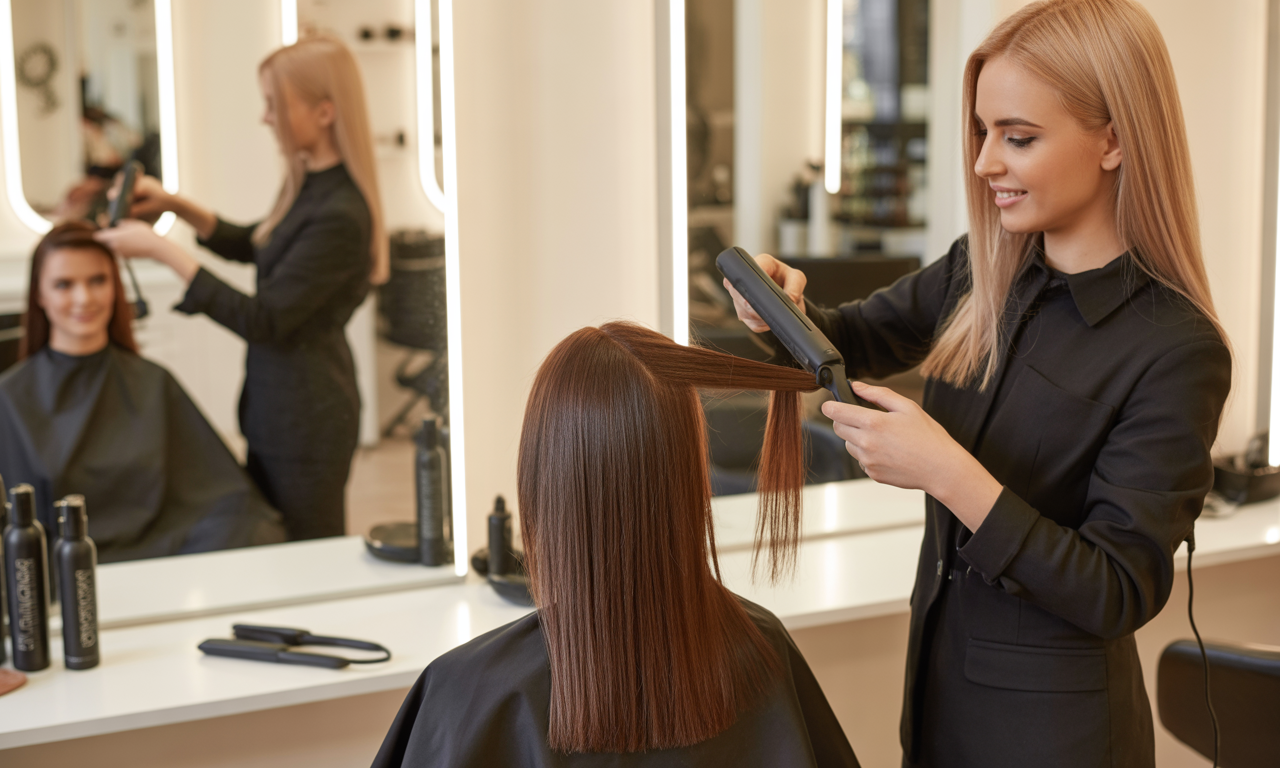
Comparing Top Brands and Tools for Safe Straightening
With an array of options on the market, selecting a tool that balances performance with safety requires evaluating temperature control, plate composition, and build quality. Below is a comparative look at ten leading brands, focusing on feature sets that reduce the risk of overexposure to heat.
| 🏷️ Brand | 🍃 Plate Material | 🌡️ Temp Range | 🔧 Key Feature |
|---|---|---|---|
| GHD | Ceramic | 250–365°F | Auto-sleep function |
| Chi | Ceramic Tourmaline | 180–450°F | Infrared heat |
| Remington | Ceramic | 270–400°F | Digital LCD |
| BaByliss | Titanium | 300–450°F | Rapid heat-up |
| Paul Mitchell | Titanium | 280–430°F | Contoured plates |
| T3 | Ceramic | 200–410°F | Digital microchip |
| Conair | Ceramic Tourmaline | 180–410°F | Swivel cord |
| Hot Tools | Gold-Plated Titanium | 200–450°F | Professional motor |
| Corioliss | Titanium | 280–430°F | Dual voltage |
| FHI Heat | Ceramic-Tourmaline | 250–410°F | Fast heat recovery |
- 🔎 Look for fully digital temperature controls to avoid overshooting your ideal heat.
- 💼 Consider dual-voltage options for travel-friendly styling.
- 🛡️ Check for automatic shut-off features to prevent fires or overheating.
For further reading on usage frequency, see expert guidelines at Byrdie, which suggests limiting straightening to two or three times weekly for most hair types to maintain optimal health.
Key Insight: Investing in a tool with precise digital controls and safety features—paired with informed usage—yields superior styling results with minimal long-term damage.
Developing a Sustainable Straightening Routine and Hair Care Plan
A balanced hair care program integrates occasional heat styling within a broader regimen of rejuvenation. Drawing on best practices from dermatologists and trichologists, this plan stresses prevention, recovery, and continuous monitoring of hair health.
Weekly and Monthly Care Schedule
| 🗓️ Frequency | 📋 Task | 💡 Purpose |
|---|---|---|
| Daily | Gentle detangling & serum application | Minimize friction damage |
| Weekly | Deep conditioning treatment | Restore moisture & protein |
| Biweekly | Scalp massage with oil | Stimulate blood flow & follicle health |
| Monthly | Professional trim | Eliminate split ends & improve shape |
- 💆 Scalp health is foundational; maintain pH balance using a gentle, sulfate-free shampoo.
- 🔄 Rotate between flat iron styling and air-dried looks to reduce direct heat exposure.
- 📝 Keep a hair journal logging heat settings, products used, and any signs of damage.
- 📖 Explore resources like The List for additional expert tips on frequency and recovery.
By monitoring trends—such as increased dryness or visible color fade—styling routines can be adjusted before significant damage occurs. Incorporating antioxidants, UV filters, and humidity-resistant sprays further shields treated hair from environmental stressors year-round.
Key Insight: A sustainable straightening routine weaves protective, recuperative measures into regular styling, creating a resilient foundation for both daily and occasional heat use.
Frequently Asked Questions
- Q: How often should I lower the heat on my straightener?
A: Aim for no more than 300°F on fine or color-treated hair and reassess every six weeks by observing shine, elasticity, and split end frequency. - Q: Can I eliminate frizz without daily flat ironing?
A: Yes—incorporate anti-humidity serums, silk pillowcases, and occasional blowouts with a nozzle attachment to maintain smoothness between straightening sessions. - Q: Are salon keratin treatments safe if I avoid formaldehyde?
A: Look for certified formaldehyde-free labels; however, many alternatives still release irritant aldehydes when heated. Patch tests and salon ventilation remain critical. - Q: Which tool brand offers the best temperature consistency?
A: T3 and GHD are renowned for stable digital temperature control, reducing hotspots that can overheat strands. - Q: What’s the quickest way to repair heat-damaged hair?
A: Trim damaged ends, follow with a weekly protein mask, and suspend flat iron use until cuticle integrity is visibly restored (typically 4–6 weeks).