On this page

In the evolving landscape of infant nutrition, parents weigh the benefits and risks of feeding their newborns with formula milk. While breastfeeding is widely advocated for the first 4–6 months, modern caregivers often turn to commercially prepared formulas when breast milk is unavailable or insufficient. This detailed examination delves into the rigorous safety measures enforced by health authorities, shows how manufacturers and caregivers can minimize contamination, and explains the nutrient composition tailored to a baby’s growth milestones. Trusted brands like Similac, Enfamil, Aptamil and Gerber stand alongside organic lines such as Earth’s Best, Holle, HiPP, Cow & Gate, Kendamil and specialized options like Nutramigen. From the U.S. Food and Drug Administration’s strict oversight to step-by-step preparation guidelines, caregivers will find expert insights, interactive visuals, and practical tips. Across five in-depth sections, each fortified by actionable lists, illustrative tables, and multimedia embeds, this guide provides a clear path for ensuring that every bottle offers safe, complete nutrition. Whether evaluating international imports or addressing special dietary needs, families will come away equipped to make informed decisions without compromising their baby’s health. 🔍
Regulatory Oversight Ensuring Formula Milk Safety
Every jug of infant formula undergoes comprehensive scrutiny before reaching the store shelf. In the United States, the FDA enforces strict standards for nutrient composition, microbial testing and manufacturing practices. These regulations ensure that every batch is free from harmful bacteria like Cronobacter sakazakii and Salmonella. Moreover, the EPA sets limits for contaminants in water sources used during production, guaranteeing compliance with national water-quality benchmarks.
Imported formulas must adhere to identical safety protocols, yet purchasing overseas products through unauthorized online channels introduces risks. Parents have faced incidents where aged or counterfeit formulas bypassed FDA recall notices. That’s why experts recommend always selecting formulas from reputable domestic suppliers.
Additional oversight comes from third-party audits that verify Good Manufacturing Practices (GMP). These assessments cover everything from ingredient sourcing to final packaging. In case of deviations, manufacturers are required to initiate voluntary recalls or face enforcement actions.
- 🏢 FDA: Nutrient standards, bacterial testing
- 💧 EPA: Water safety, contamination limits
- 🔍 Third-party auditors: GMP compliance checks
| Agency 🏢 | Key Responsibility ✅ | Reference 📑 |
|---|---|---|
| FDA | Sets nutrient & microbial standards | More on FDA rules |
| EPA | Monitors water quality for formulas | EPA Safe Water Guidelines |
| Import Control | Verifies overseas formula imports | FDA Import Alerts |
Historical recalls—such as the 2023 incident involving trace lead levels—highlight the need for continuous quality checks. Regular updates from Harvard Health and consumer watchdog reports amplify transparency. Parents can subscribe to FDA email alerts or consult official websites to stay informed.
By understanding this oversight network, caregivers gain confidence in the supply chain and can spot risky sources. The clarity of these regulations offers a robust safety net—ensuring every scoop meets rigorous standards. Insight: Strong regulatory frameworks translate directly into safer bottles at home.
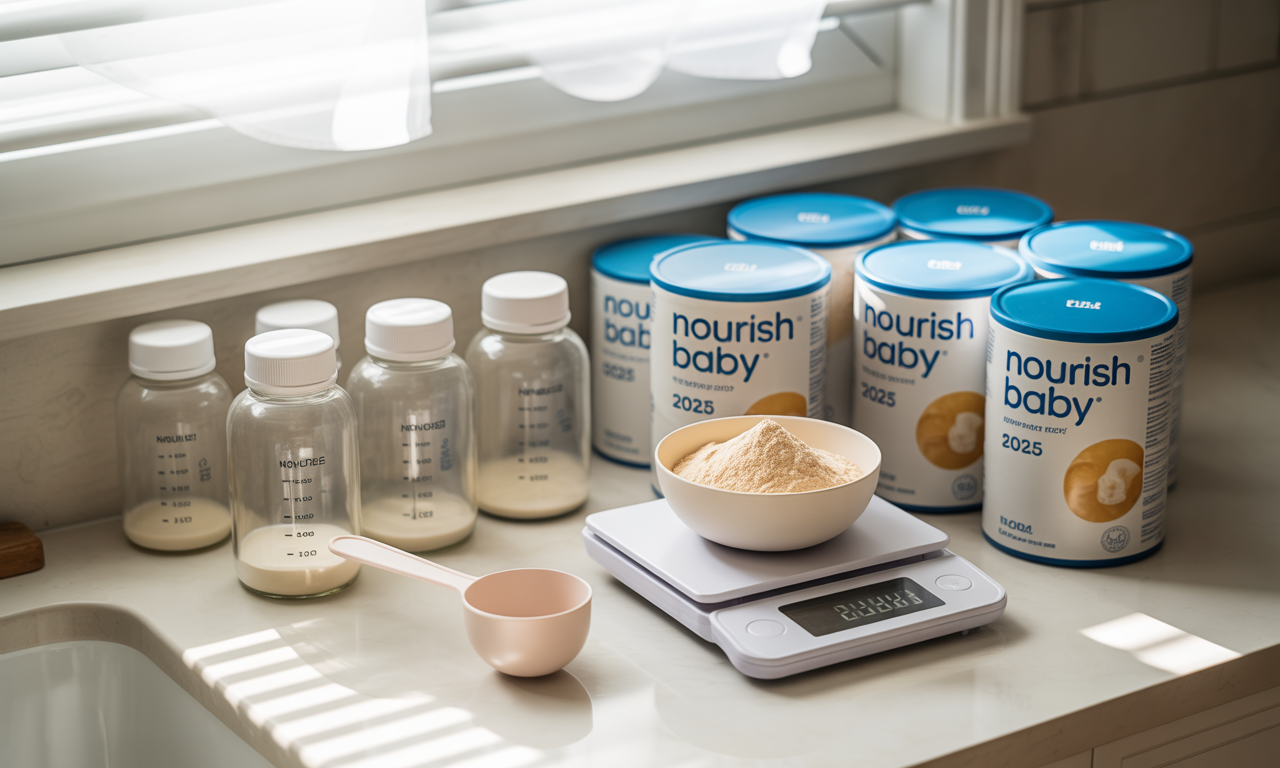
Safe Preparation and Handling Guidelines for Infant Formula Milk
Even the best-regulated formula can become unsafe if prepared or stored improperly. Before each feeding, hands must be washed thoroughly for at least 20 seconds using soap and warm water. Bottles, nipples and rings require boiling for five minutes or treatment in a sterilizer—especially important for infants under two months or those with weakened immune systems.
After sanitization, caregivers should follow manufacturer instructions precisely. Deviating by altering water-to-powder ratios or skipping temperature checks can dilute nutrients or foster bacterial growth. Always review guidelines from reputable sources such as the CDC’s Preparation and Storage page.
- 🧼 Sanitize equipment daily
- 💧 Use boiled & cooled water if tap quality is uncertain
- ⏲️ Discard unused prepared formula after 24 hours in fridge
- 🥶 Never refreeze bottles once refrigerated
| Step 💤 | Description 🌡️ | Time ⏱️ |
|---|---|---|
| Wash Hands | Soap & warm water | 20 sec |
| Boil Bottles | Boil parts in clean water | 5 min |
| Mix Formula | Follow label scoop ratios | Per label |
| Store | Refrigerate at ≤4°C | ≤24 h |
For advanced safety, caregivers can use a digital thermometer to ensure formula temperature does not exceed 37°C. When traveling, insulated containers maintain both warmth and hygiene. Resources like tipsforsafety.com provide expiration tracking templates to monitor prepared bottles.
Following these best practices preserves nutrient integrity and minimizes microbial risks. Consistency in handling routines protects vulnerable newborns during those critical first months. Insight: Meticulous preparation equals peace of mind for families.
Understanding Nutritional Composition of Formula Milk
Infant formulas aim to mimic the complex profile of breast milk. The FDA mandates minimum and maximum levels for essential macronutrients—protein, fats and carbohydrates—alongside critical micronutrients such as iron, calcium and vitamins A, C and D. Labels must clearly disclose ingredient lists, allowing caregivers to compare formulas like Gerber cow’s milk blends versus plant-based Earth’s Best soy options.
Specialty formulas offer tailored solutions for specific needs: Nutramigen for infants with cow’s milk protein allergy, hydrolyzed proteins for easier digestion, or added DHA (docosahexaenoic acid) and probiotics to support brain and gut health. A well-informed discussion with a pediatric dietitian can determine whether these enhanced blends are appropriate.
- 🍼 Protein: Supports muscle & tissue growth
- 🥛 Fats & Oils: Provide energy & neural development
- 🌾 Carbs: Supply immediate caloric needs
- 🦠 Probiotics: May aid healthy digestion
| Nutrient 🍼 | Role 📈 | Sources 🥛 |
|---|---|---|
| Protein | Tissue & enzyme building | Hydrolyzed, Cow’s milk |
| DHA | Neural & visual development | Algal oil, Fortified blends |
| Probiotics | Digestive support | Lactobacillus strains |
Concerns around additives like seed oils and corn solids persist, yet these ingredients offer digestible calories without compromising safety. For caregivers wary of lactose or gluten, lactose-free formulas are rigorously tested—see product safety guidelines.

Transparent labeling empowers choices, ensuring each scoop meets developmental milestones. Insight: Nutrient precision transforms formula feeding into personalized baby care.
Comparing Leading Formula Brands and Reducing Contaminant Risks
With dozens of labels on pharmacy shelves, selecting the right brand can feel daunting. Consumer Reports’ 2024 lead and arsenic testing flagged some international imports as risky, emphasizing the importance of brand reputation and supply-chain transparency (CR report). Meanwhile, Weill Cornell’s 2025 analysis affirms that mainstream brands maintain low contaminant levels (Weill Cornell findings).
Parents often compare:
- 🌟 Similac: Broad spectrum, strong retailer support
- 😍 Enfamil: Extensive research data
- 🥇 Aptamil: European variant with added prebiotics
- 🌿 Holle/HiPP: Organic farming standards
- 🛡️ Cow & Gate: GMP certified, allergen options
| Brand 🌟 | Source 🥛 | Features 🚀 |
|---|---|---|
| Similac | Milk-based | EyeQ nutrients, non-GMO |
| Enfamil | Milk-based | DHA, ARA, NeuroPro blend |
| Aptamil | Milk-based | GOS & FOS prebiotics |
| Gerber | Milk-based | Gentle protein blend |
| Earth’s Best | Organic soy | No GMOs, USDA organic |
| Holle | Organic cow | BIONATURA certified |
| HiPP | Organic cow | Live cultures, DHA |
| Cow & Gate | Milk-based | Hypoallergenic option |
| Kendamil | Whole milk | No palm oil, grass-fed cows |
| Nutramigen | Hydrolyzed | Allergy relief formula |
To avoid expired or tampered products, compare lot numbers and “Use By” dates. Online marketplaces may list older inventory—always cross-check with manufacturer websites. When in doubt, consult a pediatrician before switching formulas (ShunChild guidance).
Arming oneself with data on testing results and organic certifications lets families select formulas aligned with their values. Insight: Brand transparency and batch verification minimize exposure to hidden hazards.
Special Circumstances and Expert Advice for Formula Feeding
Certain conditions—premature birth, milk-protein allergies or maternal health issues—demand alternative feeding strategies. Premature infants often require specialized preterm formulas fortified with extra calories, protein and minerals. For babies with galactosemia, lactose-free or soy-based formulas can prevent metabolic complications.
Consultation with a pediatric dietitian shapes a personalized feeding plan. Resources such as the Mayo Clinic’s comparative guide (Mayo Clinic) stress the importance of regular weight, hydration and tolerance monitoring. Likewise, Today’s Parent recommends vigilant bottle hygiene and feeding posture (Today’s Parent tips).
- 👶 Prematurity: High-calorie preterm formulas
- 🔄 Milk-protein allergy: Hydrolyzed or amino-acid formulas
- 🍃 Lactose intolerance: Lactose-free blends (safety tips)
- 🥕 Plant-based preference: Soy formulas (diet safety)
| Condition ⚕️ | Recommended Formula 🍼 | Key Consideration 🔍 |
|---|---|---|
| Premature | Preemie enriched blend | Extra calories & minerals |
| Allergy | Nutramigen or hypoallergenic | Protein hydrolysis |
| Lactose Intolerance | Lactose-free formula | Enzyme addition |
| Vegan Preference | Soy-based formula | Fortified with vitamins |
Ultimately, a collaborative approach between caregivers and healthcare professionals ensures that special needs are met without compromising safety. Insight: Expert guidance translates broad regulations into customized care for each infant.
Frequently Asked Questions
Q: Can tap water be used directly to mix powdered formula?
A: Tap water meeting EPA standards is generally safe. However, if water quality is uncertain, caregivers should boil it, let it cool and then mix formula or use pre-bottled water designed for infants. 🚰
Q: How long can prepared formula stay in the refrigerator?
A: Once mixed, formula should be refrigerated at or below 4°C and used within 24 hours. Any unused portion after a feeding should be discarded within one hour to prevent bacterial growth. 🕒
Q: Are organic formulas safer than conventional ones?
A: Organic certification ensures ingredients are free from synthetic pesticides and GMOs but does not guarantee superior microbial safety. All formulas—organic or not—must meet FDA microbial and nutrient standards. 🌱
Q: Is homemade infant formula safe?
A: Experts strongly advise against homemade formulas. Precision in nutrient balance and microbial control is critical for infant health, and homemade recipes cannot replicate these standards. ❌
Q: When should I introduce specialty formulas like Nutramigen?
A: Specialty formulas should be considered when diagnosed with allergies or digestive issues. Consultation with a pediatrician and dietitian is essential before making any dietary changes. 🩺