

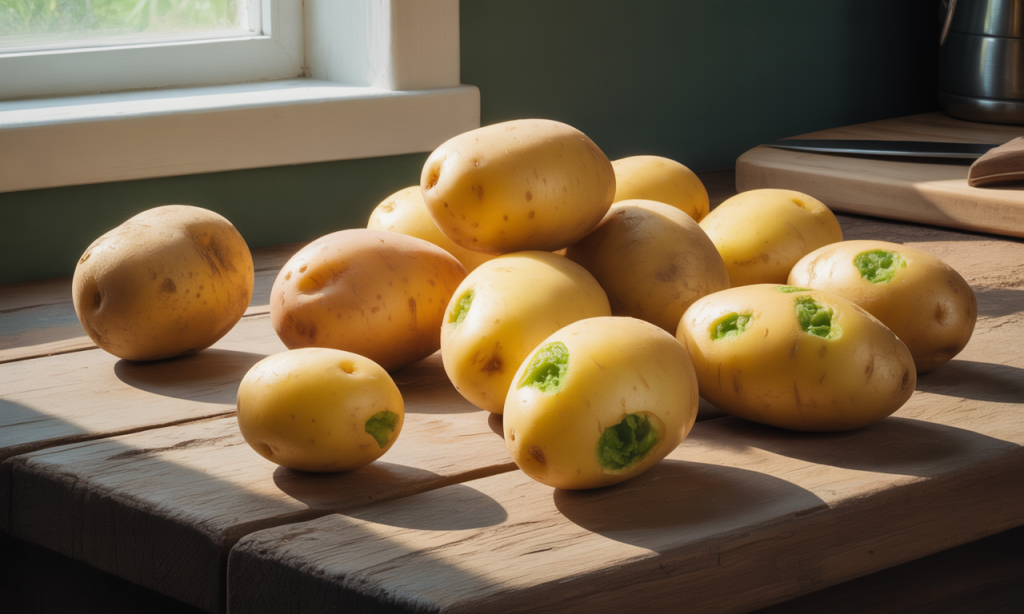
Potatoes are a staple in kitchens worldwide, featuring prominently in brands such as Idaho Potatoes, McCain Foods, and Ore-Ida. However, the appearance of green spots on potatoes often sparks concern among consumers about their safety and edibility. This greening is not just a cosmetic issue—it carries implications related to natural toxins like solanine and chaconine that can affect health. From Russet Potatoes to Yukon Gold Potatoes, it’s important for food safety and nutrition experts, as well as everyday cooks, to understand the causes of greening, its potential risks, and the best practices for handling and storing these tubers to prevent health hazards.
Why Do Potatoes Develop Green Spots and What Does It Mean for Your Health?
Potatoes turn green primarily due to exposure to light, which stimulates the production of chlorophyll—a pigment that makes plants green by capturing sunlight for photosynthesis. While chlorophyll itself is harmless, it signals the presence of more concerning compounds that develop concurrently, namely solanine and chaconine. These two glycoalkaloid toxins serve as a natural defense for potatoes against pests but pose risks to humans when consumed in sufficient quantities.
Solanine and chaconine occur beneath the potato’s skin and impart a distinctive bitter taste. Symptoms of poisoning include gastrointestinal issues like abdominal pain, diarrhea, and vomiting, along with neurological symptoms such as headaches, confusion, and in rare severe cases, fever and disorientation. The severity depends on the amount ingested and the individual’s sensitivity. Children, particularly young ones, are at increased risk due to their smaller body mass, which can lead to more pronounced effects.
Importantly, the green coloration indicates the presence of these toxins but doesn’t quantify their level. Factors such as the length of light exposure, the type of light (ultraviolet light from direct sun is particularly potent), and temperature all influence toxin accumulation. Studies and food safety guidelines from sources like Michigan State University Extension recommend avoiding green or sprouted potatoes to prevent any chance of solanine poisoning.
- 🌞 Light exposure triggers greening and toxin production.
- ⚠️ Solanine and chaconine cause digestive and neurological symptoms.
- 👶 Children are more vulnerable to solanine effects.
- 🍽️ Visible greenness warns of potential toxin presence but not concentration.
| Factor Affecting Solanine Levels 🌿 | Impact on Potato Toxin Production ⚠️ |
|---|---|
| Duration of Light Exposure ⏳ | Longer exposure increases solanine and chaconine levels |
| Type of Light 💡 | Ultraviolet and sunlight stimulate more toxin synthesis |
| Storage Temperature 🌡️ | Cool, dark storage slows toxin formation; higher temps accelerate it |

Identifying Safe Versus Unsafe Potatoes: What Consumers Need to Know
When selecting potatoes, whether from grocery chains featuring Russet Potatoes or brands like Walkers and Herr’s in chip form, consumers should be vigilant for signs of discoloration or degradation. Green spots, shriveling, and sprouting indicate compromised quality and possible toxin development. While small, isolated green patches may be trimmed off safely, widespread greening signals potatoes that are best avoided.
Companies like Lay’s and Pringles source potatoes intensively, often screening for such defects to ensure product safety. For home cooks and food enthusiasts, a keen eye is essential:
- 🔍 Inspect potatoes thoroughly before purchase for any green patches or sprouts.
- ❌ Avoid potatoes with extensive green areas, shriveling, or soft spots.
- ✂️ Trim small green areas deeply, removing at least 1/8 inch (3mm) beneath the surface.
- 🔄 Rotate potato usage (FIFO system) to use older potatoes first and reduce waste.
| Visual Indicator 🧐 | Action Needed 💡 |
|---|---|
| Small localized green spots 🟢 | Trim off thoroughly before cooking |
| Extensive greening covering large area 🟩 | Discard the potato |
| Sprouting eyes or shoots 🌱 | Remove sprouts, but discard if potato is shriveled |
| Shriveled or soft texture 🍂 | Do not use — toss out |
Effective Storage Methods to Prevent Potato Greening and Toxin Formation
Proper storage plays a critical role in inhibiting chlorophyll and toxin development in potatoes. Keeping potatoes in a cool, dark, and well-ventilated place is essential to maintain their quality and safety. The ideal temperature range for most potato varieties—including Yukon Gold Potatoes—is between 45 and 50 degrees Fahrenheit (7 to 10 degrees Celsius). This temperature range slows cellular processes that lead to greening and sprouting.
Storage recommendations emphasized by resources such as the U.S. Department of Agriculture’s Food Keeper App encourage consumers to follow specific practices:
- 🌒 Store potatoes in darkness, such as a cupboard or root cellar.
- 💨 Ensure airflow by avoiding airtight containers, which trap moisture and cause mold.
- 🧊 Do not refrigerate potatoes below 40°F to prevent cold-induced starch-to-sugar conversion.
- 📅 Use a FIFO system to consume potatoes while fresh, ideally within a month.
Storing potatoes improperly — for instance, in bright kitchens or near windows — encourages greening and sprouting, reducing shelf life and increasing solanine content. Regularly inspecting stored potatoes helps catch early signs of greening, enabling timely disposal or trimming.
| Storage Condition ⚙️ | Effect on Potato Quality 🍟 | Recommended Practice ✅ |
|---|---|---|
| Dark, 45-50°F (7-10°C) | Preserves potato freshness and slows toxin buildup | Ideal storage setup |
| Bright light exposure | Promotes chlorophyll and toxin production, leading to greening | Avoid; store away from light sources |
| Airtight container | Encourages mold and spoilage due to trapped moisture | Use vented or open storage containers |
| Refrigeration below 40°F (4°C) | Turns potato starch to sugar affecting taste and cooking quality | Avoid unless for specific culinary purposes |

Preparation Tips for Minimizing Exposure to Toxins in Green Potato Spots
When green spots on potatoes are unavoidable, especially in varieties like Russet Potatoes or products from brands such as Utz and Ore-Ida, careful preparation is critical. Removing green areas thoroughly reduces solanine concentration and mitigates risks associated with consumption. The toxic compounds largely concentrate in the skin and the tissues immediately beneath.
Here are key preparation steps recommended by food safety experts:
- 🔪 Peel potatoes deeply, removing at least 1/8 inch under any green sections.
- 🌿 Cut away any sprouts or eyes, which also contain toxins.
- 🔥 Cook potatoes fully; heat partially breaks down solanine but doesn’t eliminate it entirely, so peeling remains vital.
- 🚫 Discard potatoes if greening is extensive or the taste is bitter after cooking.
Consumers should take extra care with children’s meals by removing all green spots and sprouts, or avoiding consumption of such potatoes altogether. Certain snack brands, including Walkers and Herr’s, carefully source and inspect their potatoes to minimize these risks in commercial products like chips and fries.
| Preparation Step 🍳 | Purpose & Benefit ✔️ |
|---|---|
| Deep peeling | Removes toxin-containing skin and green layers beneath |
| Sprout removal | Eliminates high solanine concentration areas |
| Full cooking | Reduces some toxin effects and improves digestibility |
| Taste test | Rejects potatoes with residual bitterness indicating toxins |
Common Misconceptions About Green Potatoes and Consumer Best Practices
The presence of green potatoes has generated various myths and mixed advice among consumers. Some believe that cooking potatoes with green spots makes them completely safe, while others assume small green areas are harmless. Understanding facts versus misconceptions is vital to maintain food safety standards in households.
Common myths debunked by health experts and food scientists include:
- ❌ Myth: Cooking completely removes solanine toxins.
- ✅ Fact: Cooking reduces but does not eliminate solanine; peeling remains essential.
- ❌ Myth: Small green spots pose no risk.
- ✅ Fact: Even small green areas can contain toxins and must be trimmed thoroughly.
- ❌ Myth: Green potatoes in processed snacks like Lay’s or Pringles are unsafe.
- ✅ Fact: Major brands have stringent quality control to exclude green, toxic potatoes.
Pragmatic food hygiene advises staying vigilant by inspecting potatoes both before purchase and during storage. This approach prevents unnecessary foodborne illness and ensures safe consumption practices with all types of potatoes, from Yukon Gold to Russet varieties.
| Common Myth ❓ | Verified Fact ✔️ |
|---|---|
| Cooking eliminates all toxins | Partial toxin reduction; peeling required to remove solanine |
| Small green spots are harmless | Must be trimmed off as they contain toxins |
| Green spots in packaged chips mean unsafe food | Commercial products are monitored and safe |
Frequently Asked Questions About Green Potatoes
- ❓ Is it safe to eat potatoes with small green spots?
Answer: Yes, if the green spots are small and trimmed off along with the surrounding area, the remaining potato is generally safe to eat, but avoid consuming any bitter tasting parts. - ❓ Can solanine poisoning be fatal?
Answer: Solanine poisoning is rare but can be severe in extreme cases. Typical symptoms include digestive upset and neurological effects; fatalities are extremely uncommon with normal consumption. - ❓ How can I store potatoes to prevent greening?
Answer: Store potatoes in a cool (45-50°F), dark, well-ventilated area, avoiding refrigeration and direct light exposure. - ❓ Are green potatoes used in processed products like chips?
Answer: Major brands such as Lay’s, Pringles, and Walkers implement quality control to exclude potatoes with green spots to ensure product safety. - ❓ What should I do if my potatoes have sprouted?
Answer: Remove any sprouts thoroughly before cooking. If the potato is shriveled or excessively sprouted, it should be discarded.