On this page

Chocolate is a beloved treat enjoyed worldwide, from luxurious boxes of Godiva and Ferrero Rocher to popular favorites like Hershey’s and Cadbury. Yet, many consumers wonder: is it safe to eat chocolate after its expiration date? Understanding the science behind chocolate’s shelf life, the meaning of expiration dates, and the variables impacting quality can help clarify when indulgence remains safe and when caution is warranted. This article unpacks these details with a practical lens, including tips on storage and how different chocolates from brands like Lindt, Nestle, and Toblerone hold up over time.
How to Interpret Chocolate Expiration Dates and Their Impact on Safety
Most chocolate packaging, including products from renowned brands like Green & Black’s or Mars, features a “best by” or “best if used by” date rather than a strict expiration date. This distinction is important: these dates denote optimal quality rather than food safety. Manufacturers guarantee peak flavor, texture, and appearance until this point, but consuming chocolate past that date is often harmless if properly stored.
The main factors affecting chocolate’s shelf life are environmental: heat, humidity, and light play significant roles in degrading quality over time. For instance, improper storage may cause chocolate bloom, a whitish or grayish haze that appears on the surface. Fat bloom results from cocoa butter separation, while sugar bloom originates from moisture triggering sugar recrystallization. Although visually unappealing, bloom is not harmful and does not indicate spoilage.
Over time, chocolate’s texture and flavor can transform, becoming dryer or grainier, while aroma and taste may diminish or adopt off-notes from absorbed odors. Notably, chocolate’s capacity to absorb flavors from its environment means storage away from pungent aromas is essential.
The composition of chocolate affects how long it remains appealing post best-by date. Below is a detailed overview:
| 🍫 Chocolate Type | 🗓️ Typical Shelf Life Past Best-By Date | ⚠️ Key Considerations |
|---|---|---|
| Dark Chocolate | 1-2 years | High cocoa content preserves freshness longer; less prone to spoilage |
| Milk Chocolate | 6-12 months | Contains milk solids that shorten shelf life; monitor for bloom |
| White Chocolate | 4-6 months | No cocoa solids; highest risk of spoilage due to milk & cocoa butter content |
| Chocolate with Additives (nuts, caramel) | 3-6 months | Fillings can spoil faster than chocolate base; check carefully |
Knowing this can assist in determining the safety and quality of chocolates from brands like Ghirardelli or Toblerone when considering prolonged storage.

Practical Storage Strategies for Maximizing Chocolate’s Longevity
The secret to safely enjoying chocolate beyond its expiration date largely depends on storage practices. Even chocolate from premium brands such as Lindt and Nestle benefits immensely when kept under ideal conditions.
Follow these essential guidelines to maximize freshness:
- 🌡️ Temperature control: Store chocolate between 60°F and 70°F (15°C and 21°C) to avoid melting or bloom caused by temperature swings.
- 💧 Humidity management: Chocolate is sensitive to moisture which can cause sugar bloom. Use airtight containers to prevent humidity penetration.
- 🕶️ Light avoidance: Exposure to sunlight or fluorescent light breaks down cocoa butter, leading to off flavors and poor texture.
- 👃 Odor protection: Chocolate absorbs smells readily; keep it away from onions, garlic, or spices.
- ❄️ Refrigeration caveats: In hot or humid climates, refrigeration is an option but chocolate must be tightly wrapped and gradually brought to room temperature before unwrapping to avoid condensation.
These storage tips are vital whether dealing with casual Hershey’s bars or luxury Godiva truffles. Packaging and storage methods significantly influence the palatability of chocolate even years beyond the printed date.
| 🔑 Storage Condition | ✅ Recommended Action | 🚫 What to Avoid |
|---|---|---|
| Temperature | Consistent 60-70°F (15-21°C) | Avoid heat spikes, direct sunlight, freezing without protection |
| Humidity | Keep below 50%, use airtight containers | Do not expose to kitchen steam or damp places |
| Light | Store in dark cabinets or pantries | No transparent packaging or window boxes in bright light |
| Odor Control | Separate from strong-smelling foods | Avoid storing near cleaning products or spices |
Proper maintenance can allow chocolates such as Ferrero Rocher or Green & Black’s to maintain their flavor profile significantly longer, ensuring a satisfying experience even past expiration.
Recognizing When Expired Chocolate Is Unsafe or Unpleasant
Though chocolate is remarkably resilient, it’s important to know when it should no longer be eaten. Signs that expired chocolate has gone bad and may pose a health risk include:
- 🦠 Mold growth: Rare but a definite discard signal if present.
- 🤢 Rancid or off odors: Indicate fat degradation and spoilage.
- 👅 Unpleasant taste changes: Significant bitterness, sourness or stale flavors.
- 🐜 Infestation or bugs: Contamination requires disposal.
Visual inspection is critical. Chocolate bloom, often mistaken for spoilage, is harmless but mold is a clear warning. Similarly, any strange or rancid smells should prompt caution.
Using chocolate that has bloomed but shows no other spoilage signs is generally safe, especially for baking. For instance, melted expired chocolate is frequently used in recipes without impacting the final product’s safety or taste, particularly with high-quality brands like Cadbury or Ghirardelli.
| 🔍 Sign | ⚠️ Should You Eat? | 💡 Notes |
|---|---|---|
| Chocolate Bloom | Yes | Aesthetic issue only; safe to consume or cook with |
| Mold Presence | No | Discard immediately; health risk |
| Rancid Odor | No | Indicates fat breakdown; discard |
| Texture Changes with No Odor | Yes (with caution) | Can still be used for baking; taste may vary |
| Foreign Matter/Bugs | No | Unsafe; discard immediately |
Avoiding consumption of suspect chocolates reduces risks. For further reading on chocolate spoilage signs, resources such as The Cooking Facts offer comprehensive guidance.
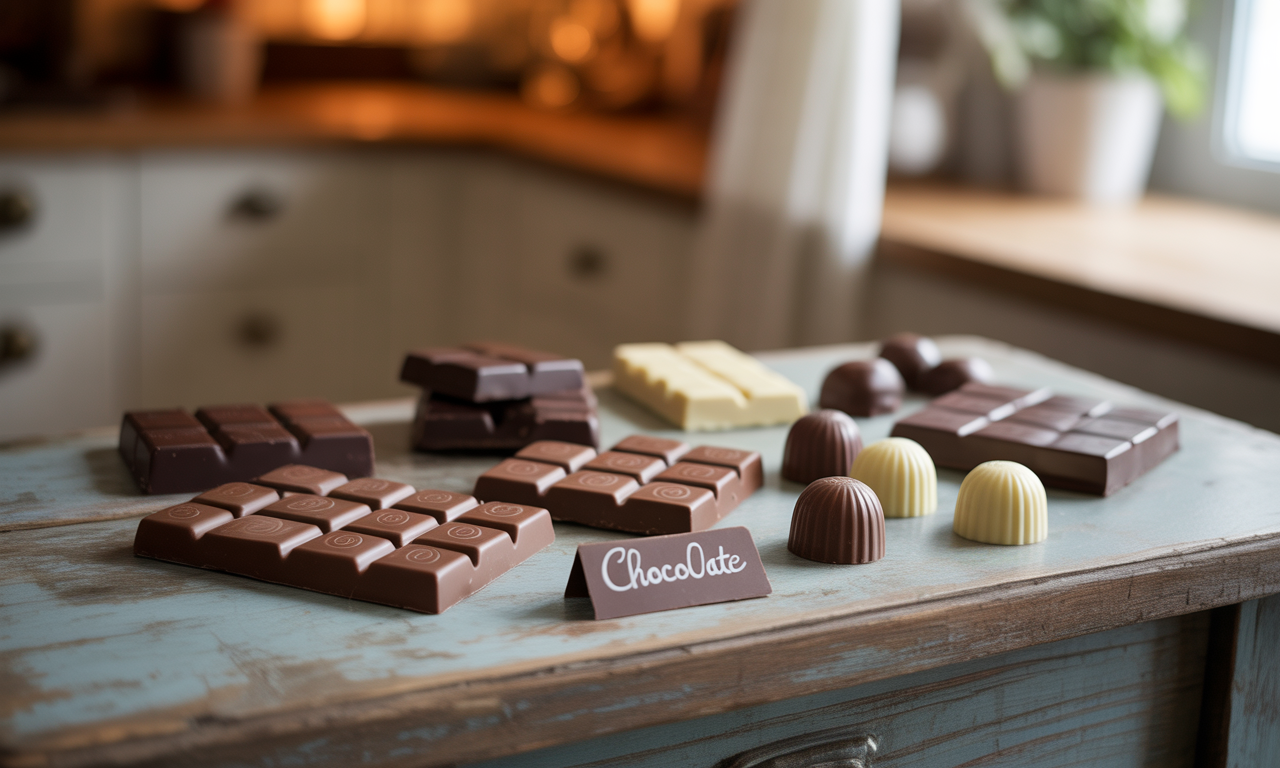
Evaluating the Shelf Life of Different Chocolate Types from Popular Brands
Variations in chocolate composition influence longevity and safety when consumed after the printed date. Brands like Toblerone, Nestle, and Mars produce a range of chocolates each with unique shelf life characteristics:
- 🍫 Dark Chocolate: High cocoa solids and low milk content extend the lifespan. Some Lindt 70% or 85% bars remain fine 2+ years after the “best by” date.
- 🥛 Milk Chocolate: Higher dairy content shortens shelf life. Famous examples include Cadbury Dairy Milk or Hershey’s spills typically remain fresh around 1 year afterward.
- 🤍 White Chocolate: Contains no cocoa solids, mainly milk solid & fat, which degrade faster. Nestle and Green & Black’s white chocolates often stay drinkable for 4-6 months post-date.
- 🌰 Chocolate with Nuts and Fillings: Brands such as Ferrero Rocher and Godiva produce filled chocolates subject to earlier degradation due to perishable ingredients.
Understanding these differences helps consumers make informed decisions about whether to eat or discard chocolates that are past their indicated best-by dates.
| Brand | Chocolate Type | Approximate Shelf Life Past Date | Storage Requirement |
|---|---|---|---|
| Hershey’s | Milk Chocolate | ~1 year | Cool, dry, dark place |
| Cadbury | Milk Chocolate | 6-12 months | Room temperature, airtight container |
| Lindt | Dark Chocolate | 1-2 years | Cool, stable temp, sealed container |
| Green & Black’s | White Chocolate | 4-6 months | Cool, dry, airtight |
| Ferrero Rocher | Filled Chocolate | 3-6 months | Cool, dry, consume soon after opening |
| Toblerone | Dark / Milk Mixed | 1 year | Standard storage, dry place |
Health Aspects and Risks of Eating Expired Chocolate
From a safety standpoint, chocolate typically poses minimal risk when consumed after its printed date, provided it shows no spoilage signs. Its natural properties contribute to this resilience:
- 🍫 Low moisture content: Inhibits bacterial growth which causes foodborne illness.
- 🍬 High sugar levels: Acts as a preservative by creating an osmotic environment hostile to microbes.
- 🌿 Cocoa’s natural antioxidants: Help slow degradation.
Admittedly, fats in chocolate can become rancid over long periods, causing unpleasant odors and flavors, but this is primarily a quality problem rather than a safety hazard. In contrast, ingredients like dairy or nuts within chocolates increase the risk of spoilage and should be evaluated carefully.
For baking or cooking, expired chocolate with minor bloom is perfectly functional. This practical use reduces waste and turns products like Ghirardelli or Mars chocolate bars into valuable economical ingredients long after their best-by date.
| 🍽️ Factor | ✅ Positive Effect | ⚠️ Potential Risk |
|---|---|---|
| Low Moisture | Prevents bacterial growth | None |
| High Sugar | Preserves by inhibiting microbes | Increased stickiness if exposed to humidity |
| Fat Content | Delays spoilage initially | Can become rancid over long periods |
| Fillings / Dairy | Adds flavor & texture | Shorter shelf life and spoilage risk |
Consumers interested in buying discounted chocolate near or past expiration will find vendors like Bargain Boxed offer excellent insights and quality assurance.
For more on food safety and legacy expiration practices, exploring reliable sources such as Tips for Safety adds a broader context relevant in household food management.
Frequently Asked Questions About Eating Expired Chocolate 🍫❓
- Can eating expired chocolate cause illness?
Generally no, as long as there is no mold or rancidity. Chocolate’s properties make it largely resistant to bacterial contamination.
- What is chocolate bloom, and is it safe?
Chocolate bloom is a harmless white coating from sugar or fat crystallization. While it impacts appearance and texture, it is safe to eat.
- Can expired chocolate be used for baking?
Yes, baking can mask minor texture or flavor changes, making expired chocolate ideal for cooking purposes.
- Does refrigeration prolong chocolate shelf life?
Refrigeration can help in warm climates but risks condensation and bloom if chocolate isn’t well-wrapped and warmed slowly before opening.
- How long is chocolate good after the best-by date?
Dark chocolate can often remain good for 1-2 years, milk chocolate for about 6-12 months, and white chocolate for 4-6 months beyond the date when stored properly.