On this page
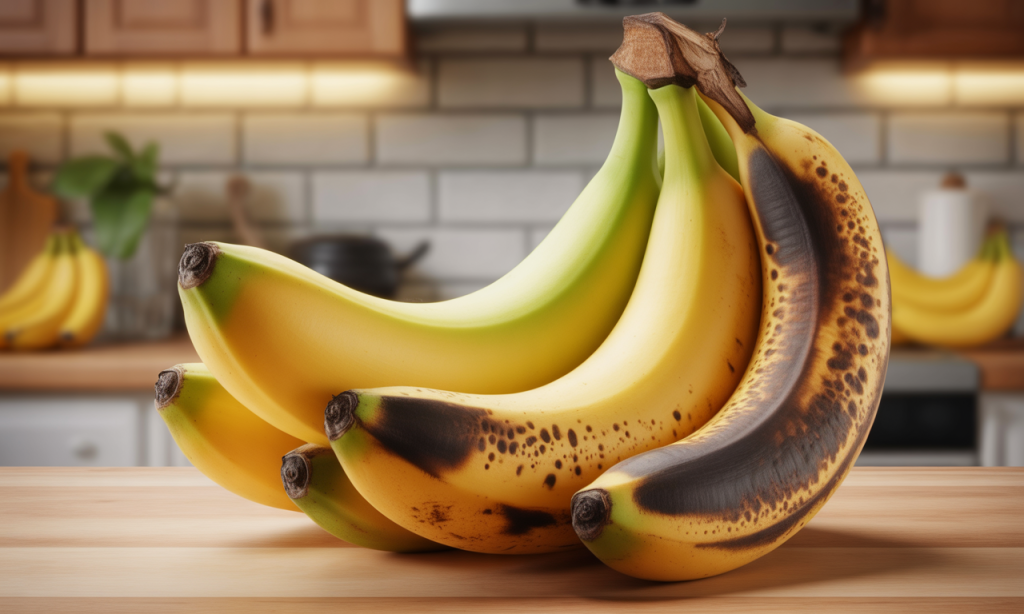
Bananas are among the most widely consumed fruits worldwide, praised not only for their delightful taste but also for their remarkable nutritional profile. Their appearance changes notably as they ripen, and the emergence of black spots on their peel often causes consumers to question their safety and edibility. Understanding the relationship between these spots and the banana’s ripeness, nutritional content, and potential health concerns is vital. While some shoppers from retailers like Tesco Bananas, Sainsbury’s Bananas, and Whole Foods Market Bananas might swiftly discard spotted bananas, these blemishes can actually signify enhanced nutritional benefits and safety under most conditions. The major suppliers such as Chiquita, Dole, Del Monte, Fyffes, Organic Bananas lines, and Great Value Bananas often ship fruit across various ripeness stages, reflecting the diversity encountered on store shelves.
Understanding the Nature of Black Spots on Bananas: What Do They Really Indicate?
Black spots or brown patches on banana skins are primarily signs of the fruit entering an advanced ripening phase. These blemishes develop as the fruit’s starches break down into sugars, a natural process that makes the banana sweeter and often softer. This scientifically recognized transformation improves the flavor profile significantly, explaining why many prefer bananas with black spots for baking or snacking.
However, not all black spots are created equal. Some marks are harmless bruises caused by physical handling during transportation or stocking — a common occurrence with bananas from suppliers like Chiquita or Dole. Others can signal the initial stages of overripeness. Distinguishing between these types is essential to determining the suitability of consumption. Bruised spots generally do not pose a health risk, but if accompanied by a fermented smell or a mushy texture inside, the banana might be deteriorating, demanding disposal.
Key factors contributing to black spots:
- 🍌 Natural ripening and enzymatic browning: Enzymes oxidize banana tissue, turning starch into sugar, and skin into spotted hues.
- 🍌 Physical bruising: Pressure or impact during shipping or handling, especially affecting chains like Tesco Bananas or Asda Bananas, can cause localized blackening.
- 🍌 Storage conditions and ambient temperature: Warm environments accelerate ripening, so improper storage might exacerbate spotting.
- 🍌 Presence of fungal issues such as Black Center Syndrome: A condition caused by fungal infection that discolors the banana’s interior core, more common in batches from Del Monte or Fyffes.
Verifying if the black spots are inside or confined to the peel is critical. While peeling reveals edible fruit underneath, internal blackening — such as Black Center Syndrome — may reduce palatability and safety. For more on black spots causes and safety measures, detailed insights can be found at Tasting Table or Went Bananas.

Health Benefits and Nutritional Impact of Eating Bananas with Black Spots
As bananas develop black spots, they undergo biochemical changes that enhance certain health-promoting properties. These changes make spotted bananas unique compared to their under-ripe or purely yellow counterparts. Nutritionally, bananas with black spots are rich in antioxidants. The breakdown of chlorophyll during ripening leads to an increase in antioxidant compounds that can combat oxidative stress within the body.
One remarkable element associated with ripe bananas is the elevated production of Tumor Necrosis Factor (TNF), a compound that induces apoptosis in aberrant cells and contributes to cancer prevention. This means that bananas nearing overripeness might, in fact, offer superior protective health benefits. According to studies referenced by India Today and Business Insider, antioxidants found in these bananas help delay cellular aging and damage.
Moreover, the high soluble fiber content of ripe bananas facilitates digestive health, making them effective remedies against constipation. The sweeter taste of overripe bananas, often favored in baking, comes from starch conversion to natural sugars, which boosts energy availability.
Benefits summarized:
- 🍎 Increased antioxidants: Support in fighting free radicals and reducing inflammation.
- 🍎 Enhanced anti-cancer properties: TNF production helps suppress tumor growth.
- 🍎 Improved digestion: High soluble fiber content aids bowel regularity.
- 🍎 Smoother energy supply: Sugar content provides quick calories beneficial for active lifestyles.
- 🍎 Soothing effect on ulcers and menstrual cramps: Traditional remedies utilize ripe bananas.
| Ripeness Stage 🍌 | Primary Nutritional Benefit 🥗 | Best Uses 🍴 |
|---|---|---|
| Green to Yellow | High resistant starch, low sugar | Good for diabetes management and low glycemic diets |
| Yellow with Small Black Spots | Balanced fiber and sugar, increased antioxidants | Snacking & baking |
| Mostly Black-Spotted | Very high antioxidants, TNF presence | Baking, smoothies, natural sweetener |
| Completely Black Peel (overripe) | Reduced nutritional value, fermentation begins | Use cautiously; check for spoilage |
Recognizing this spectrum of benefits clarifies why prominent brands, including Organic Bananas and Great Value Bananas lines, emphasize ripeness variety among their products. For further in-depth nutritional discussion, sources like HealthShots provide authoritative guidance.
Safety Concerns: When to Avoid Bananas With Black or Brown Spots
Despite their many benefits, certain black spots signal hazards rather than health advantages. Differentiating between normal ripening spots and indicators of spoilage or fungal contamination is crucial for consumer safety. Black Center Syndrome, a fungal infection evident by darkening of the banana’s core, is an example of a defect that may make consumption unsafe.
Moreover, bananas with signs of mold, a rotten odor, or extremely mushy textures should never be eaten. Such spoilage can cause digestive disturbances and is often accompanied by the release of fermentation gases. These unwanted changes can occur more rapidly if bananas have been stored improperly or for too long.
Providing clear visual and sensory checkpoints helps consumers decide whether to eat or discard spotted bananas, a vital practice to avoid foodborne illness. Retailers like Asda Bananas and Tesco Bananas often include handling instructions and ripeness tips to minimize spoilage risks.
Signs a banana should not be consumed:
- ⚠️ Mold growth on peel or flesh
- ⚠️ Off-putting fermented or rotten smell
- ⚠️ Black center syndrome—darkened core within the banana pulp
- ⚠️ Excessive mushiness or oozing indicating decay
For practical advice on avoiding unsafe bananas, consulting resources such as Cooking Stack Exchange and OneReCP presents experienced viewpoints on black center issues.
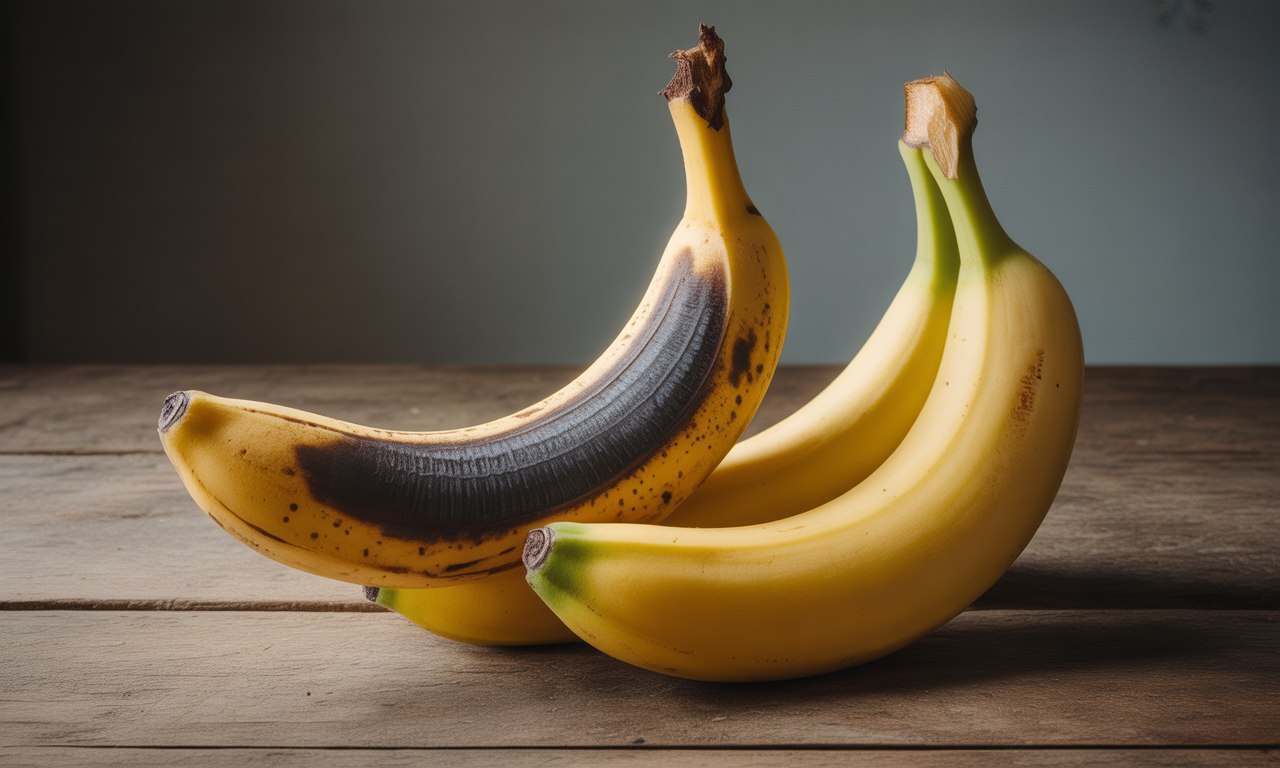
Practical Tips for Storing Bananas to Minimize Spoilage and Maintain Quality
To maximize the shelf life and nutritional qualities of bananas, proper storage methods are necessary. This guidance becomes especially relevant when dealing with varieties from suppliers such as Fyffes, Del Monte, or Chiquita, as their handling standards can influence ripeness speed.
Here are actionable strategies to extend the sweet perfection of bananas, particularly those approaching the black spot stage:
- ❄️ Freeze ripe bananas: Peel and slice bananas before freezing to preserve their flavor and texture for up to six months, perfect for smoothie preparation or baking.
- 🍳 Cooking applications: Use spotted bananas to prepare fried treats or baked goods like banana bread, reducing waste and enhancing flavor.
- 🌡️ Keep at room temperature: Store unripe bananas in a cool, shaded area to delay ripening rather than immediate refrigeration, which can prompt peel darkening.
- 👜 Use a paper bag: Ripen green bananas faster by placing them in a closed brown paper bag, utilizing ethylene gas buildup effectively.
- 🥶 Refrigeration for ripe bananas: Once peeled, refrigerate bananas to slow decay, noting the peel may darken while the flesh stays firm longer.
| Storage Method 🍌 | Effect on Ripeness & Quality ⭐ | Recommended When 🕒 |
|---|---|---|
| Room temperature | Natural ripening at moderate pace | Unripe to yellow stage |
| Brown paper bag | Accelerates ripening via ethylene accumulation | Green bananas needing quick ripening |
| Refrigeration | Slows pulp degradation, peel darkening occurs | Ripe bananas ready for consumption within days |
| Freezing | Preserves taste and texture for months | Ripe bananas not to be wasted |
For those shopping at chains like Sainsbury’s Bananas or Whole Foods Market Bananas, these storage tips can help preserve the quality of organic and conventional bananas alike. Further information is available in various culinary communities, such as Food and Fizz.
Proper banana storage extends freshness and reduces wastage, providing consumers with more time to enjoy the nutritional perks of this versatile fruit.
Creative and Safe Ways to Consume Bananas with Black Spots
Bananas marked with black spots should not be rushed to the trash, as they lend themselves well to numerous culinary uses. Their intensified sweetness and softer texture make them especially suitable for recipes requiring natural sugars and moisture. For instance, overripe bananas are a primary ingredient in classic banana bread, muffins, and pancakes.
These bananas can also be transformed into healthy ice creams or frozen treats by slicing and blending the frozen fruit with cocoa or vanilla, appealing to those who prefer dairy-free options. Frying banana slices with a dash of cinnamon or honey offers another delicious use, capable of lasting several days refrigerated without quality loss.
Even dehydrating ripe bananas to make homemade chips is a creative method to prevent waste while enjoying their sweet flavor. These methods are practical for families, especially for those shopping at outlets such as Great Value Bananas or Fyffes, who seek to maximize fruit utility.
- 🍦 Banana ice cream: Freeze sliced mushy bananas, then blend with flavorings for a creamy dessert.
- 🍞 Baked goods: Use black-spotted bananas in muffins, bread, or cakes for natural sweetness.
- 🍳 Fried bananas: Quickly pan-fry with cinnamon and honey for a sumptuous treat.
- 🍪 Banana chips: Thinly sliced banana baked until crispy, offering a healthy snack alternative.
- 🍹 Smoothies: Blend overripe bananas with other fruits and greens for a nutrient boost.
Frequently Asked Questions About Bananas with Black Spots 🍌❓
- Is it safe to eat bananas that are completely black?
Completely black bananas often indicate overripeness with fermenting sugars and potential spoilage. They might still be safe if not moldy or foul-smelling but should be consumed with caution or discarded if uncertain. (Simply Recipes) - What is Black Center Syndrome and is it harmful?
Black Center Syndrome is a fungal condition affecting the banana’s core. While it is not proven harmful to humans, the affected part may have unpleasant taste and texture; best to discard the blackened core. (OneReCP) - Can I eat bananas with brown spots on the peel but yellow flesh?
Yes, bananas with brown spots on the peel but firm yellow flesh are safe and often preferred due to increased sweetness and antioxidants. Just remove any particularly soft spots. (FruitoNix) - Are organic spotted bananas different from conventional ones?
Organic Bananas may show more variability in ripeness and spots because they’re not treated with synthetic chemicals, but their safety and nutritional benefits are comparable to conventional bananas from brands like Del Monte or Chiquita. - How should bananas be stored to avoid early black spots?
Keep unripe bananas at room temperature away from direct sunlight; use brown paper bags to control ripening and refrigerate only when ripe to slow decay. Avoid moisture exposure to reduce spotting. (Food and Fizz)