On this page

Contemporary parenting landscapes in 2025 bring a wealth of nutritional debates, none more pressing than whether cow’s milk belongs in a baby’s diet before their first birthday. As pediatric guidelines evolve, health professionals and families weigh traditional practices against emerging research on digestive tolerance, micronutrient needs and long-term wellness. From gastrointestinal micro-bleeds to vital vitamin and protein balances, the stakes are high when considering cow’s milk for infants under twelve months.
Across continents, new parents consult sources as varied as the NHS (Drinks and cups for babies) and Cleveland Clinic (When is it safe to give cow’s milk?) for trusted insight. Yet personal narratives—like that of pediatric nurse Emma at Green Valley Clinic—highlight that each child’s journey is unique. Below, five detailed explorations delve into health risks, feeding alternatives, introduction protocols, brand comparisons and cultural strategies, empowering caregivers with evidence-based clarity.
Health Risks of Cow’s Milk for Babies Under 12 Months
Pediatric experts universally agree: avoid cow’s milk until an infant turns one. In 2025, studies confirm that early exposure can trigger digestive complications and nutritional imbalances. Dr. Kimberly Churbock’s analysis underscores three core risks: gastrointestinal micro-bleeding, excessive protein load and missing vital nutrients. Parents must weigh such hazards when evaluating whether to stray from breast milk or formula.
- 🩸 Micro-bleeds: Cow’s milk proteins may irritate the immature intestinal lining, causing occult blood loss.
- 🚰 Kidney stress: High protein and mineral concentrations can overload neonatal renal function.
- 🥛 Inadequate iron & vitamins: Cow’s milk lacks the iron and vitamin C essential for neurodevelopment and immunity.
| Component 🍼 | Cow’s Milk 🐄 | Breast Milk 🤱 | Formula (e.g., Similac) 🧪 |
|---|---|---|---|
| Protein | 3.3 g/100ml ❌ | 1.1 g/100ml ✅ | 1.4–1.6 g/100ml ✅ |
| Iron | 0.03 mg/100ml ❌ | 0.03 mg/100ml ✅ | 0.7–1.3 mg/100ml (fortified) ✅ |
| Vitamin C | 0 mg/100ml ❌ | 4–5 mg/100ml ✅ | 0 mg/100ml ❌ |
| Salt Content | 50 mg/100ml ❌ | 15 mg/100ml ✅ | 25–30 mg/100ml ✅ |
Clinical data from Mount Sinai (Cow’s milk and children) emphasize that premature introduction of cow’s milk correlates with iron-deficiency anemia and hindered growth trajectories. Even trace intestinal bleeding can accumulate over weeks, provoking developmental delays.
- Identify signs of intolerance (loose stools, irritability). ✅
- Maintain iron-rich complementary foods once solids begin. 🍌🥑
- Consult a pediatrician before shifting milk types. 📋
Early feeding choices set the stage for future health. Steering clear of cow’s milk until 12 months safeguards infants from avoidable risks and ensures optimal nutrient absorption. This cautious approach remains the cornerstone of evidence-based childcare. Insight: Protecting the delicate balance of infant nutrition prevents complications down the line.
Optimal Feeding Practices Before Introducing Cow’s Milk to Babies
From birth until around six months, exclusive breastfeeding or iron-fortified formula reigns supreme. When solids are added between six and twelve months, milk-like alternatives still fail to match breast milk’s immunological and nutritional profile. Brands like Enfamil, Gerber, Aptamil and Holle tailor formulations to mimic human milk composition, ensuring babies receive balanced fat, protein and micronutrients.
- 🥇 Breast Milk: Dynamic antibodies, perfect nutrient ratio, promotes bonding.
- 🥈 Formula (Similac, Earth’s Best): Consistent composition, fortified with iron and vitamin D.
- 🥉 Alternative Milks: Soy, almond or oat lack essential fats & proteins; avoid under 12 months.
| Feeding Option 🌟 | Strengths 💪 | Limitations ⚠️ |
|---|---|---|
| Breast Milk | Antibodies, Perfect Balance | Maternal diet influences supply |
| Enfamil Formula | Iron-fortified, DHA for brain | Some brands contain added sugars |
| Gerber Gentle | Reduced lactose, sensitive tummies | Not suitable for true cow’s milk allergy |
| Earth’s Best Organic | USDA-certified organic | Higher cost per ounce |
Solid Starts (Milk & Alternatives for Babies) highlights that before 12 months, non-dairy milks can disrupt growth. Even goat’s milk lacks adequate folate and vitamin C, risking deficiency.
When weaning between six and twelve months, personalized advice from a pediatrician shapes the transition plan. For families unable to breastfeed, rotating between brands—Kendamil or Bobbie American Organic—can address tolerance issues. Insight: Tailored formula use bridges gaps in exclusive breastfeeding, maintaining developmental momentum.
Guidelines for Safely Introducing Cow’s Milk to Babies Over 12 Months
Once a child turns one, plain whole cow’s milk becomes a recommended complement to a varied diet. Pediatric authorities advise no more than 16–20 ounces daily, to leave room for nutrient-dense solids. Transition strategies emphasize gradual exposure: mixing with breast milk or formula, offering small servings and encouraging cup drinking.
- 🥛 Start Small: Offer 1–2 ounces of whole milk initially.
- 🔄 Mix Ratios: Blend 50/50 with breastmilk or formula, then reduce until pure cow’s milk.
- ☕ Cup Training: Introduce sippy or open cups to foster independence.
- 🌡️ Warm It: Match baby’s preferred temperature to ease acceptance.
| Age 🗓️ | Milk Type 🥛 | Recommended Volume 📏 |
|---|---|---|
| 12–18 months | Whole cow’s milk | 8–16 oz/day 😊 |
| 18–24 months | Whole cow’s milk | 12–20 oz/day 😊 |
| After 24 months | 2% or 1% cow’s milk | 16–24 oz/day 😊 |
According to BabyCenter (Cow’s milk when and how to introduce it), toddlers should never exceed 24 ounces of milk to prevent iron deficiency and encourage solid foods. Pediatric dietitians recommend pairing milk servings with calcium-rich foods such as cheese, yogurt and leafy greens.
Gradual weaning preserves gut microbiome stability and reduces fussiness. Encouraging toddlers to sip rather than gulp fosters healthier habits. Insight: A paced introduction to whole milk supports nutritional balance while reinforcing self-feeding skills.
Evaluating Commercial Formulas and Milk Alternatives for Babies
Beyond cow’s milk, the market brims with formulas and non-dairy milks—each claiming unique benefits. In 2025, consumers can choose from organic to hypoallergenic blends. Brands such as Aptamil, HiPP, Nestle and Holle compete on nutrient profiles, sourcing ethics and price points. Understanding these differences ensures choices align with baby’s health and family values.
- 🌱 Organic vs Conventional: Organic brands (HiPP, Holle) avoid pesticides but may cost more.
- 🔐 Hypoallergenic Blends: Extensively hydrolyzed formulas suit infants with cow’s milk protein allergy.
- 💧 Plant-based Alternatives: Soy formulas are the only non-dairy options approved after 12 months; avoid almond, rice or oat under two years.
| Brand 🏷️ | Key Feature 🔍 | Best For 🎯 |
|---|---|---|
| Aptamil | Prebiotics & DHA | Gut health support |
| HiPP Organic | European organic standards | Pesticide-free |
| Nestle NAN | Gentle protein blend | Tummy sensitivity |
| Bobbie | US-based plant-derived fats | Clean-label enthusiasts |
While plant-based milks like almond and oat have surged in adult diets, pediatricians caution against using them as formula substitutes (When can babies drink cow’s milk?). Such beverages lack critical fats, proteins and micronutrients, potentially stunting growth.
Consumer reviews often highlight taste acceptance and digestive comfort as deciding factors. Sampling small containers before committing to large tins can prevent waste and ensure baby’s tolerance. Insight: Informed brand selection tailors nutrition to both developmental needs and family preferences.
Practical Strategies and Cultural Insights for Babies Transitioning to Cow’s Milk
Across cultures, milk-weaning traditions vary widely. In Mediterranean regions, cubed cheese and yogurt play central roles before sipping milk, while South Asian families often incorporate paneer and ghee into early diets. Nurse Emma at Green Valley Clinic has guided hundreds of families through these transitions, noting that blending cultural practices with modern guidelines fosters smoother adaptations.
- 🌍 Mediterranean Approach: Introduce cheese purées and yogurt at 8–10 months to accustom taste buds.
- 🌱 South Asian Method: Use paneer mash with rice for protein and fat enrichment.
- 🇯🇵 East Asian Custom: Offer small sips of miso soup (low sodium) to develop umami preference.
| Culture 🎎 | Early Dairy Foods 🥄 | Transition Technique 🔄 |
|---|---|---|
| Mediterranean | Soft cheese, yogurt | Cheese sticks, yogurt dips |
| South Asian | Paneer, ghee | Mash with lentils, rice |
| Nordic | Skyr, whey soups | Blend into porridges |

Emma’s case study: The Li family in 2025 integrated yogurt-infused porridge at ten months, then introduced whole milk in sippy cups by twelve months. The toddler, Mei, adapted rapidly with no signs of intolerance.
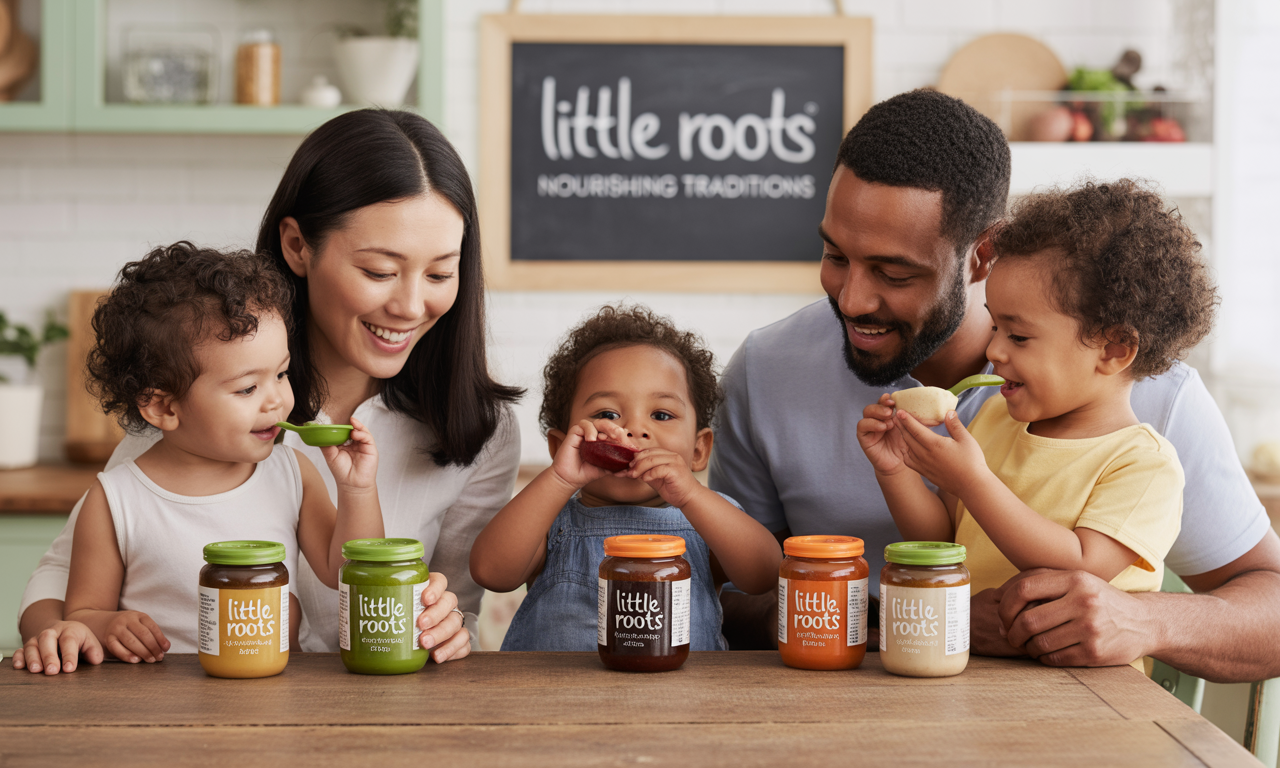
Pairing cultural staples with pediatric-approved methods reinforces both heritage and health. Such hybrid tactics respect tradition while ensuring balanced nutrition. Insight: Blending ancestral wisdom with scientific guidance builds confidence and fosters lifelong healthy eating patterns.
Frequently Asked Questions About Giving Cow’s Milk to Babies
- When can babies safely drink cow’s milk?
After turning 12 months, plain whole cow’s milk may be introduced gradually, limiting 16–20 ounces daily 😊. - Are plant-based milks suitable for infants?
Under two years, avoid almond, rice or oat milk; only soy formula is approved for babies over 12 months if cow’s milk is not tolerated 🚫. - What if my baby refuses cow’s milk?
Mix small amounts with breast milk or formula, warm to preferred temperature and offer in a cup to encourage acceptance 🔄. - Can toddlers switch to low-fat milk?
After age two, children can transition to 2% or 1% cow’s milk to meet fat and calorie needs appropriately ✅. - What if my baby is allergic to cow’s milk?
Consult your pediatrician for hypoallergenic or extensively hydrolyzed formulas and consider alternatives like soy under medical guidance 🩺.