On this page
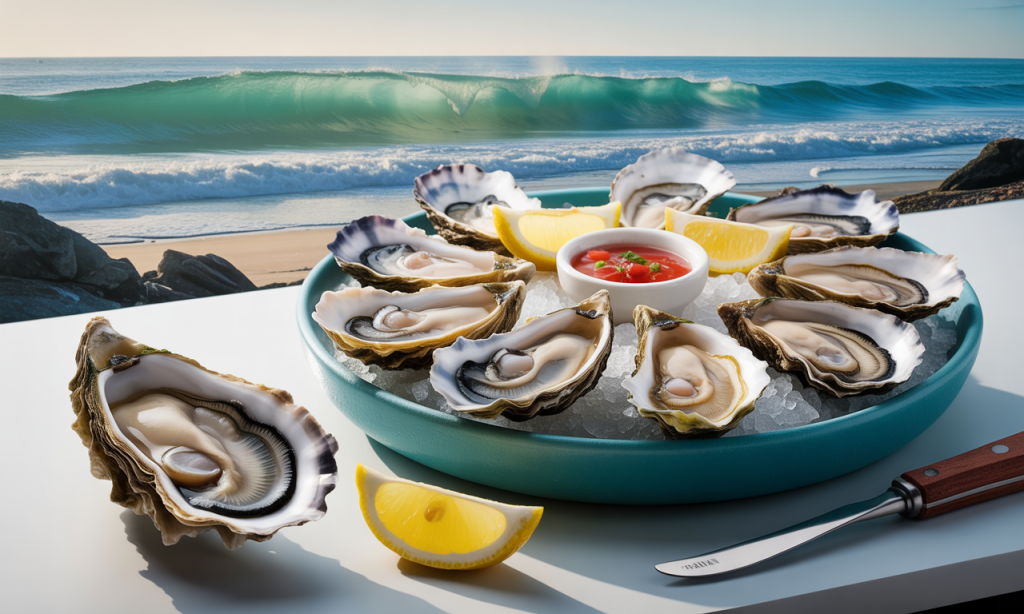
Raw oysters have enchanted food lovers for centuries, cherished for their delicate, briny flavor and silky texture. Coastal communities especially delight in this oceanic delicacy, often savoring oysters in their raw state. Yet, beneath the allure lies important considerations about safety. The act of eating raw oysters is not without risks due to potential contamination by bacteria, viruses, and environmental pollutants. In 2025, with an increasing focus on food safety and nutrition, understanding how to navigate these risks while enjoying the benefits is critical. From major brands like Blue Point Oysters and Taylor Shellfish Farms to retailers including Whole Foods Market, the supply chain’s integrity greatly influences oyster safety. This article dissects the nutritional rewards, health hazards, methods to minimize risk, and regulatory frameworks linked to raw oyster consumption. It aims to empower consumers to make informed choices, balancing pleasure and prudence in seafood indulgence.
Exploring the Nutritional Benefits of Raw Oysters: Why They Deserve a Place on Your Plate
Raw oysters shine as nutritional powerhouses, delivering a wealth of essential nutrients in every serving. Their unique composition offers a well-rounded boost to health, particularly when sourced from reputable harvesters like Island Creek Oysters and Maine Oyster Company.
Protein Content and Quality: Oysters provide high-quality protein. Each oyster contains all nine essential amino acids, which the body cannot synthesize. This makes them an excellent choice for muscle maintenance and repair.
Vitamins Powerhouse: Particularly rich in vitamin B12, oysters contribute significantly to energy production and cognitive function. B vitamins such as riboflavin and niacin also play pivotal roles in nervous system health and metabolism.
Mineral Reservoir: The high concentration of minerals found within oysters is quite remarkable. Zinc, abundant in species like Poppy’s Oysters and Pacific Seafood’s offerings, is instrumental in immune function and tissue repair. Iron combats anemia while selenium and copper support antioxidant defenses.
Beneficial Fats: Omega-3 fatty acids present in oysters contribute to cardiovascular health by reducing inflammation and supporting brain function.
Low-Calorie Profile: For those mindful of caloric intake, raw oysters offer a low-calorie, low-fat option, perfect for a nutrient-dense snack or appetizer.
Nutrition tables comparing oysters from suppliers like Hama Hama and Acme Smoked Fish reveal consistent nutrient density across varieties, reassuring consumers of their dietary value.
| Nutrient 🦪 | Average Amount per 6 Oysters (Raw) | Health Benefit |
|---|---|---|
| Protein | 10 grams | Muscle repair and growth |
| Vitamin B12 | 84 mcg (1400% DV) | Energy metabolism, nervous system support |
| Zinc | 76 mg (690% DV) | Immune function, wound healing |
| Omega-3 Fatty Acids | 500 mg | Inflammation reduction, heart health |
| Iron | 4 mg | Prevents anemia |
When sourced correctly, raw oysters are a nutritional treasure worth savoring. Brands such as SeaPak and Whole Foods Market ensure high standards, helping to deliver these nutritional benefits safely. Understanding the health rewards is critical before delving into the risks that shellfish may entail.
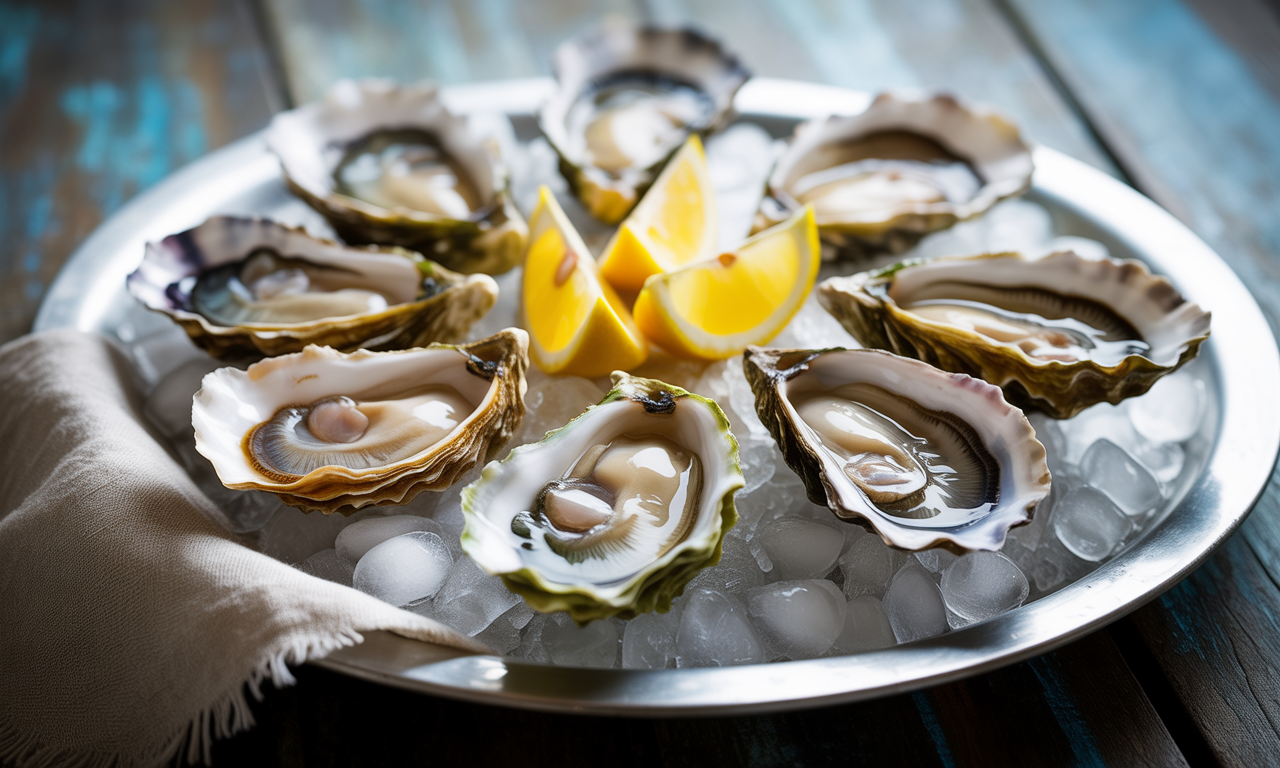
Food Safety Risks of Raw Oysters: Bacteria, Viruses, and Who’s Most Vulnerable
Eating raw oysters is a gustatory pleasure shadowed by safety concerns, largely because oysters are filter feeders. They draw in large volumes of seawater to collect nutrients but simultaneously accumulate bacteria, viruses, and toxins present in their environment. This attribute makes consuming them raw a gamble if proper vigilance is not maintained.
Key Pathogens in Raw Oysters include:
- 🦠 Vibrio vulnificus: A marine bacterium thriving in warm coastal waters, responsible for vibriosis. It can lead to bloodstream infections, severe wound infections, and is fatal in susceptible individuals.
- 🦠 Norovirus: A highly contagious virus causing gastroenteritis, often spread through sewage-contaminated waters.
- 🦠 Hepatitis A: A liver-infecting virus linked to contaminated shellfish consumption.
- 🦠 Salmonella and Shigella: Bacteria causing intestinal illnesses sometimes traced back to raw oysters.
- 🦠 Other Vibrio species: Including Vibrio parahaemolyticus, known for causing gastrointestinal upset.
Recent cases underscore these risks: in Missouri, a 54-year-old man died after consuming raw oysters contaminated with Vibrio vulnificus. According to CDC statistics, approximately 80,000 Americans contract vibriosis annually, with roughly 100 fatalities — underscoring that although rare, consequences can be severe.
Populations at Higher Risk:
- 🧑⚕️ People with compromised immune systems due to conditions such as HIV/AIDS or cancer.
- 🧑⚕️ Individuals with chronic liver diseases including cirrhosis.
- 🧑⚕️ Those living with diabetes.
- 👵 Elderly individuals.
- 🤰 Pregnant women.
For these groups, eating raw oysters is strongly discouraged. Opting for cooked alternatives significantly reduces health dangers.
| Risk Factor ⚠️ | Reason | Health Impact |
|---|---|---|
| Immunocompromised | Reduced ability to fight infections | Higher risk of severe illness or death from Vibrio |
| Liver Disease | Impaired detoxification and immune response | Greater vulnerability to bacterial infections |
| Pregnancy | Changes in immune system and fetal risk | Potential for complications and illness |
| Age (Elderly) | Weaker immune defenses | Increased risk of hospitalization from illness |
Thorough knowledge of these hazards and who is most affected equips consumers to make safer choices. Exploring strategies for safe oyster selection follows.
Guidelines for Safely Selecting and Storing Raw Oysters to Minimize Health Risks
The journey to safe raw oyster consumption begins long before the plate. Proper selection and storage are paramount to minimize harmful contamination and maximize freshness.
Key Tips for Choosing Safe Raw Oysters:
- 👨🍳 Purchase from reliable suppliers like Taylor Shellfish Farms, Acme Smoked Fish, or certified markets such as Whole Foods Market to ensure proper harvesting and handling standards.
- 🗂 Verify labels or tags indicating harvest location, harvest date, and certification from regulatory bodies (e.g., FDA-approved waters). This traceability is a safeguard against polluted sources.
- 👀 Inspect shells for tight closure; avoid oysters with open or cracked shells as they may indicate death or spoilage.
- 👃 Assess the smell — fresh oysters should evoke a clean ocean scent. A pungent or sour odor signals spoilage.
Storage Fundamentals:
- ❄️ Store oysters at temperatures below 40°F (4°C). Utilize ice packs or refrigerated storage promptly after purchase.
- 🌬 Keep oysters in breathable containers such as mesh bags or loosely covered bowls, avoiding sealed plastic bags that trap moisture and accelerate spoilage.
- ⏳ Consume oysters ideally within 24 hours of purchase to retain freshness and safety.
- 🚫 Avoid freezing live oysters, as freezing kills them and impairs texture and flavor.
| Step 🔍 | Important Considerations | Recommended Practices |
|---|---|---|
| Selection | Source reputation & shell condition | Buy from certified suppliers; reject open/cracked shells |
| Label Verification | Authenticity and harvest details | Confirm tags meet regulatory standards |
| Storage Temperature | Prevent bacterial growth | Maintain below 40°F (4°C) |
| Container Type | Allow breathing, avoid moisture buildup | Use mesh bags or vented containers |
| Time To Consumption | Minimize bacterial proliferation | Consume within 24 hours of purchase |
With these precautions, consumers can significantly lower their risk of contamination. This careful stewardship speaks to responsible oyster enjoyment.
Safe Preparation and Consumption Practices for Raw Oysters
Once selected and stored with care, attention during preparation and service makes a critical difference. These steps safeguard against cross-contamination and ensure an optimal dining experience.
Best Practices for Raw Oyster Preparation:
- 🧼 Thoroughly wash hands and sanitize all tools and surfaces before shucking.
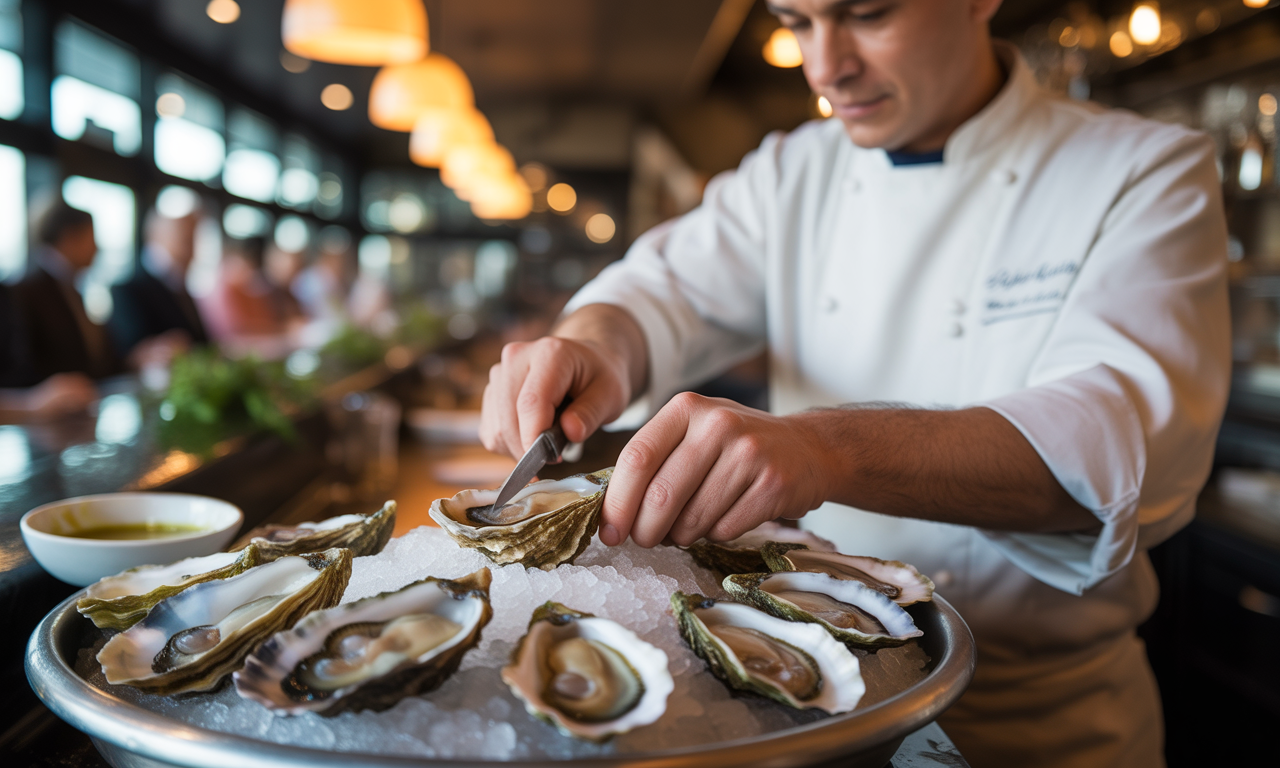
- 🔪 Use an oyster knife designed for shucking, inserting it carefully at the hinge and twisting gently to open without damaging the meat inside.
- ⚠️ Avoid spilling oyster liquor, as it contains much of the delicate flavor and nutrients.
- 👁 Inspect each oyster post-opening; discard any that appear dry, discolored, or emit off odors.
- ❄ Serve oysters immediately on crushed ice to maintain cold temperatures and freshness until consumed.
These practices reinforce the quality and safety of your oysters, whether from brands like Maine Oyster Company or Island Creek Oysters, known for premium quality adherence.
Additional Safety Tips:
- 🔥 Consider cooking oysters, particularly for vulnerable groups. Cooking at an internal temperature of 145°F (63°C) reliably kills harmful pathogens without substantial flavor loss.
- 🍋 Use condiments such as lemon juice or vinegar sauces only for flavor enhancement; they do not neutralize microbial hazards.
- 🧳 Exercise caution when consuming raw oysters while traveling, especially where food safety standards cannot be verified.
| Step 🧑🍳 | Safety Measure | Purpose |
|---|---|---|
| Hand Hygiene | Wash & sanitize before handling | Prevent cross-contamination |
| Proper Shucking | Use oyster knife, handle gently | Preserve oyster integrity and safety |
| Immediate Serving | Keep oysters chilled on ice | Maintain freshness, inhibit bacterial growth |
| Cooking Option | Cook to 145°F/63°C | Eliminate pathogens for high-risk groups |
Ensuring these protocols are followed closely minimizes risk while maximizing the enjoyment of raw oysters.
Understanding Regulations, Multi-Source Safety, and FAQs About Eating Raw Oysters
In 2025, regulatory oversight by entities like the FDA plays a pivotal role in keeping oysters safe. The classification of shellfish harvesting areas into approved, conditionally approved, and restricted zones guides the industry. Suppliers such as Poppy’s Oysters and experts at Pacific Seafood abide by these rules to provide consumers with safer products.
Overview of Shellfish Growing Area Classifications:
| Classification 🏷️ | Definition | Consumer Impact |
|---|---|---|
| Approved Areas ✅ | Waters meet rigorous quality standards for raw shellfish harvesting | Safe to consume raw oysters from these waters |
| Conditionally Approved Areas ⚠️ | Monitored areas with temporary restrictions during certain conditions | Consumption only safe when restrictions lifted or oysters cooked |
| Restricted/Prohibited Areas ❌ | Waters closed due to pollution or contamination risks | Avoid shellfish from these sources |
Purchasing oysters from distributors who ensure compliance with these classifications, like SeaPak and Whole Foods Market, reduces consumer risk dramatically.
Consumer education is essential. To support safe enjoyment, here is a FAQ addressing common concerns:
- ❓ Can condiments like lemon or vinegar kill bacteria in raw oysters?
No, these enhance flavor but do not eliminate pathogens. Cooking is necessary for safety. - ❓ Is it safer to eat raw oysters during colder months?
Yes, bacteria like Vibrio vulnificus thrive less in cooler water temperatures, reducing risk. - ❓ What should I do if I experience symptoms after eating raw oysters?
Seek medical attention promptly if symptoms such as diarrhea, vomiting, fever, or blisters develop within hours to days after consumption. - ❓ Are cooked oysters still nutritious?
Cooking can reduce some heat-sensitive nutrients but generally retains high protein and mineral content. - ❓ Is it safe for pregnant women to eat raw oysters?
Pregnant women should avoid raw oysters due to high risk of severe infections and complications.