On this page

Curious whiskers and inquisitive noses often lead cats to investigate every tempting scent wafting from the kitchen. Recently, peanut butter’s nutty aroma has caught the attention of feline companions across households. Experts note that while a tiny lick seems harmless, the reality involves careful label reading, potential toxins, and calorie counts that can tip a healthy cat into digestive distress or weight gain. With brands like Purina and Blue Buffalo dominating cat-treat aisles, the idea of sharing a human snack challenges the line between bonding over flavor and risking feline health. This overview unpacks why even a simple dab of spread requires vigilance, drawing on insights from veterinary sources such as Vet Explains Pets and Total Vet, and highlighting the fine print that can make or break a safe moment of indulgence.
Through case studies at Whiskers Haven Rescue, plenty of kittens and senior cats have taught volunteers that what looks like a harmless surprise treat may lead to unexpected reactions. We’ll explore hidden sweeteners like xylitol, delve into fat content concerns, and examine situations where peanut butter can actually serve as a useful tool for administering medication. Alongside expert opinions found on Just Cat Café and PetMD, this feature investigates alternatives from brands including Fancy Feast and Nutro, ensuring every reader can navigate the peanut butter question without compromising their cat’s well-being.
From ingredient deep dives to practical tips, expect clear lists, real-life anecdotes, and helpful visuals that guide responsible pet parenting. Whether you’re a first-time cat owner or a long-time volunteer, understanding the pros and cons of this sticky snack could save you a vet visit—and keep purring companions healthy and content.
What Are the Key Risks of Feeding Cats Peanut Butter?
Many cat owners assume that anything safe for dogs is fine for cats. Yet feline physiology is distinct, prioritizing protein over fats and sugars. One glance at a peanut butter jar often reveals ingredients that pose digestive and systemic risks to curious felines.
Xylitol Toxicity: This artificial sweetener is common in “sugar-free” or “low sugar” peanut butter brands. Even minuscule amounts can trigger a rapid spike in insulin, resulting in hypoglycemia. Symptoms include:
- Sudden vomiting and drooling
- Muscle weakness and loss of coordination
- Seizures or tremors
- Potential liver failure if untreated
References like Vet Explains Pets stress emergency response time; any suspicion of xylitol ingestion demands immediate veterinary care.
High-Fat Content and Gastrointestinal Distress: Even xylitol-free peanut butter can overload a cat’s digestive system. Cats lack the enzymes required to process large amounts of vegetable-based fats, leading to upset stomach, diarrhea, or vomiting.
- Pancreatitis risk from chronic high-fat intake
- Acute digestive cramping after first exposure
- Possible allergic reactions manifesting as skin irritation or wheezing
Case files from Total Vet (Total Vet Guide) document several kittens experiencing persistent diarrhea after accidental sampling of a peanut butter jar.
Calorie Density and Obesity: Household cats, especially indoor ones, often struggle with maintaining a healthy weight. A single teaspoon of peanut butter can contribute over 30 calories—enough to unbalance a 10-pound cat’s daily caloric budget.
- Weight gain leading to diabetes mellitus
- Joint stress and osteoarthritis in overweight cats
- Increased cardiovascular strain and reduced lifespan
Volunteers at Whiskers Haven noticed that cats treated with peanut butter for pill administration without adjusted meal plans gained an average of 0.5 pounds in weeks.
Choking and Aspiration Hazards: The sticky, thick texture of peanut butter can adhere to the throat or escape into the airway, causing coughing fits or, in severe cases, aspiration pneumonia. That’s why experts recommend diluting any peanut-based treat with water or low-sodium broth.
- Spread thinly on a treat mat rather than offering by spoon
- Mix with water to reduce stickiness
- Monitor every bite to react quickly if choking occurs
Real-life anecdotes from rescue volunteers emphasize how a single bad treat episode can lead to weeks of recovery and monitoring. Understanding and mitigating these risks is the first step in any decision about sharing peanut butter. This awareness sets a clear boundary between affectionate sharing and endangering a cat’s health.

How to Identify Safe Peanut Butter Options for Your Cat
Not all peanut butter is created equal. Identifying a brand that meets stringent safety criteria is crucial before introducing any amount to a feline companion. Let’s break down the essential label checks and ingredient choices that distinguish cat-safe spreads from harmful ones.
Xylitol Check: The first line of defense is ensuring zero xylitol. Inspect labels for other hidden artificial sweeteners that mimic sugar without calorie content. Brands may list ingredients like sorbitol or maltitol—avoid those too.
- Look for “No artificial sweeteners” on packaging
- Scan ingredient list thoroughly before purchasing
- When in doubt, contact the manufacturer directly
Sites such as Just Cat Café recommend sending a photo of the ingredient panel to vet hotlines when uncertainty arises.
Salt and Sugar Content: Excess sodium can strain a cat’s kidneys, while added sugar contributes to obesity. A label reading “natural peanut butter” might still contain salt or sugar unless explicitly labelled “unsalted” or “unsweetened.”
- Prefer jars stating “100% peanuts” and “unsalted”
- Opt for minimal or no added oils
- Avoid hydrogenated or trans-fat ingredients
Testing a tiny dab on a surface before offering to a cat provides a quick check for unwanted sweetness or aftertaste.
Organic vs. Conventional: While organic peanut butter can reduce pesticide exposure, it doesn’t guarantee cat-specific safety. The focus should remain on verifying no toxic additives and moderate fat levels.
- Organic label doesn’t replace safety checks
- Smaller batch brands may lack rigorous quality control
- Larger, reputable manufacturers often have stricter testing
Experts from PetMD emphasize choosing brands with transparent sourcing and third-party testing.
Portion Control Tools: Even the safest peanut butter should be rationed. Use a calibrated spoon or a silicone mold to measure out fractions of a teaspoon. Employ treat dispensers that release only small amounts at a time.
- Invest in a micro-spoon labeled in 1/8 or 1/16 teaspoons
- Freeze small dollops to slow consumption
- Store peanut butter in designated cat-treat containers to avoid accidental overuse
By mastering label scrutiny and portion management, pet parents can transform peanut butter from a confusing pantry staple into a carefully controlled, occasional treat. This precision ensures that feline health always comes first.
Benefits and Occasions: When Peanut Butter Could Help Administering Medication
While peanut butter poses risks, savvy cat caregivers know it can serve a positive purpose: masking medications. Administering pills is often stressful for both cat and owner, and a sticky, flavorful coating can transform a pill into an accepted reward.
Masking Bitter Flavors: Many prescription or over-the-counter feline medications come with off-putting tastes. A thin layer of peanut butter coats pills, concealing bitterness behind a familiar nutty aroma.
- Apply peanut butter directly onto the pill surface
- Press the coated pill into a soft treat or spoon
- Ensure the pill remains intact until swallowed
Rescue staff at Whiskers Haven find this trick invaluable, reducing handling stress and making daily medication routines smoother.
Enrichment Through Puzzle Feeders: Filling a treat puzzle with diluted peanut butter encourages problem-solving and mental stimulation. This approach combines medication timing with positive reinforcement.
- Mix peanut butter with water or cat-safe broth
- Fill treat ball or maze toy with the mixture
- Monitor play to gauge medication intake
Volunteers note that spreading peanut butter inside interactive toys extends engagement time, turning a stressful pill session into a playful challenge.
Occasional Use Only: Veterinarians caution against relying on peanut butter daily. Overuse can lead to tolerance, where cats discover a pill hidden in a favorite snack and become suspicious.
- Rotate masking methods: pill pockets, canned fish juice
- Limit peanut butter use to less than twice weekly
- Maintain a journal of each medication session for tracking
Readers interested in deeper insights can explore detailed guidelines at The Rescue Vets.
When wielded with restraint and paired with proper monitoring, peanut butter can transform dreaded pill time into a moment of positive reinforcement. This targeted application highlights that even risky treats have a place when used judiciously.
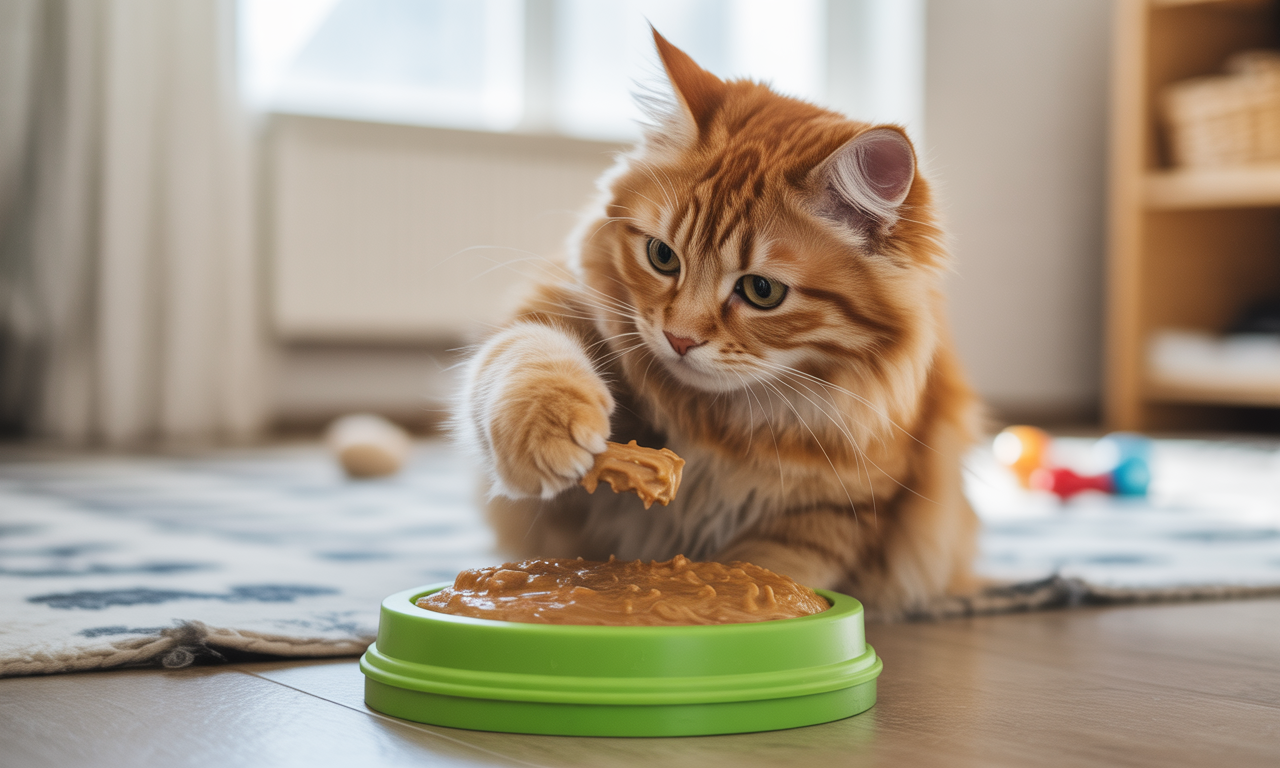
Healthier Alternatives: Tasty Treats That Replace Peanut Butter for Cats
For pet parents who decide against peanut butter, a wide range of specialized treats offers all the benefits of flavor without the hazards. Brands like Purina, Friskies, and Wellness lead the market with products tailored to feline nutritional needs and safety standards.
Commercial Cat Treats: These are formulated to match protein requirements and control calorie intake.
- Purina Friskies Party Mix: Crunchy texture, under 3 calories per piece
- Wellness Purrfect Bites: Grain-free, high-protein soft treats
- Greenies Dental Treats: Promotes oral health while satisfying crunch cravings
Such treats often include taurine and minimal additives, striking the balance between taste and nutrition.
Canned Meat Options: Plain, cooked chicken, turkey, or salmon provide irresistible flavor without risky sweeteners or excess fats.
- Fancy Feast Classic Chicken Feast: Moist texture, high moisture content for hydration
- Sheba Meaty Tender Chunks: Carefully trimmed, no added grains
- Nutro Perfect Portions: Pre-measured servings, easy storage
These selections appear in nutritional roundups on BiggieBees, reinforcing their role as go-to alternatives.
Freeze-Dried Bites: Retain natural nutrients and aroma without packing on extra calories.
- Blue Buffalo Wilderness Rocky Mountain (with real salmon or duck)
- Hill’s Science Diet Crunchy Bites (made with whole grains and real chicken)
- Temptations MixUps (fun shapes, limited ingredient options)
Freeze-dried treats can be broken into tiny flakes, ideal for scatter feeding or training sessions.
Herbal and Vegetable Snacks: Not all cats appreciate greens, but many enjoy occasional pumpkin or carrot bites.
- Small boiled pumpkin cubes for fiber support
- Greenies SmartBlend Multivitamin Soft Chews
- Catnip-infused treats for mental enrichment
Refer to HowStuffWorks Pets for guidance on introducing plant-based additions safely.
Opting for purpose-made alternatives safeguards feline health and simplifies portion control. These treats align with a balanced dietary approach, nurturing both body and mind without the sticky complications of homemade spreads.
Monitoring Your Cat: Signs to Watch After Eating Peanut Butter
Even with careful selection and minimal portions, vigilance remains key. Spotting early signs of adverse reactions can mean the difference between a minor upset and a veterinary emergency. Let’s outline the critical red flags and best monitoring practices.
Gastrointestinal Indicators: Vomiting, diarrhea, or gas within hours of ingestion often signal intolerance to fat or additives.
- Note frequency and volume of any regurgitation
- Keep a log of stool consistency for 24–48 hours
- Offer water but pause meals if vomiting persists
Detailed incident logging on platforms like Catster Nutrition helps veterinarians pinpoint causes more quickly.
Neurological Symptoms: Weakness, tremors, or seizures could indicate xylitol poisoning. Act immediately if any motor control issues arise.
- Remain calm and prevent injury during seizures
- Contact emergency vet services without delay
- Transport in a secure, ventilated carrier
As documented by Hill’s Pet Care, quick response is vital for recovery from xylitol-induced hypoglycemia.
Allergic Reactions: Skin redness, itching, or facial swelling warrant prompt attention. Anaphylactic reactions, though rare, require epinephrine and professional care.
- Check for paw licking and biting
- Observe for sneezing or respiratory distress
- Prepare antihistamine cream if prescribed by a vet
Behavioral Changes: Lethargy, hiding, or loss of appetite can accompany any physical symptom. Monitor activity levels and willingness to interact.
- Offer favorite toys but expect reduced engagement
- Note any reluctance to jump or play
- Record changes in grooming habits
Maintaining open communication with your veterinarian, backed by clear logs and symptom descriptions, ensures timely intervention and peace of mind.
Frequently Asked Questions About Cats and Peanut Butter Safety
Q: Can a small lick of peanut butter really harm my cat?
A: A tiny taste of pure, xylitol-free peanut butter typically poses minimal immediate danger. However, repeated exposure risks weight gain, digestive upset, and potential choking.
Q: How quickly do xylitol poisoning symptoms appear in cats?
A: Signs such as vomiting, weakness, and tremors can surface within 15–30 minutes. Immediate veterinary care is crucial to manage hypoglycemia and prevent liver damage.
Q: Are there specific peanut butter brands recommended for cats?
A: No peanut butter brand is formulated for cats. If used, choose one with only peanuts and no additives. Always check for xylitol-free, unsalted, and no sugar claims.
Q: What’s the safest way to introduce any new treat?
A: Start with under 1/16 teaspoon, monitor for 24–48 hours, and log any physical or behavioral changes. Rotate with vetted alternatives from brands like Purina and Wellness to maintain dietary balance.
Q: Which treat alternatives are best if my cat dislikes peanut butter?
A: Consider purpose-made treats such as Friskies Party Mix, Greenies Dental Treats, or freeze-dried single-protein bites from Blue Buffalo and Hill’s Science Diet for safe, nutritious indulgence.