On this page
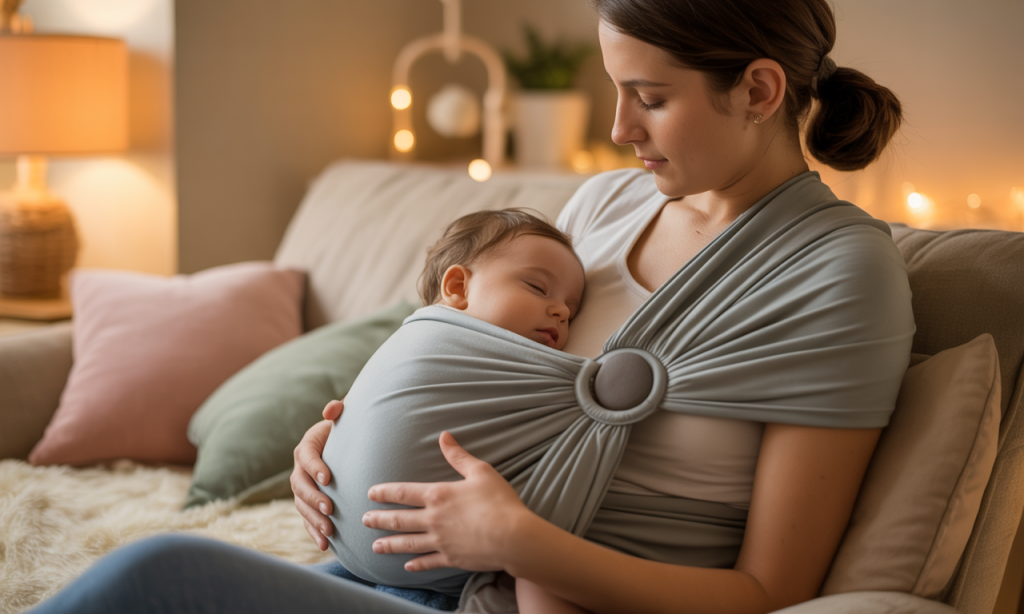
Parents juggling errands and the soothing rhythm of a newborn’s heartbeat often turn to slings and baby carriers for solace and mobility. As the practice of babywearing sees a resurgence in 2025, questions swirl around one key issue: is it truly safe for infants to nap nestled against a caregiver’s chest? This exploration cuts through marketing claims from brands like Ergobaby, BabyBjörn, and LILLEbaby and unpacks current research on sleep safety.
Medical experts and pediatric nurses note that while closeness can calm fussy babies and promote bonding, there are potential risks—especially when wearers doze off mid-carry. Studies by the Lullaby Trust and AAP News reveal rare but serious incidents of airway blockage and falls. Yet, advocates cite benefits such as improved breastfeeding rates and stress reduction for parents.
This article navigates through practical tips, brand comparisons, and true-to-life anecdotes to help caregivers decide if slings are a nap-time ally or a hidden hazard. From the T.I.C.K.S. checklist endorsed by the Royal Society for the Prevention of Accidents to guidance on ‘spread squat’ positioning, discover expert advice on balancing safety and convenience in everyday life.
Between urban commutes on public transport and strolls in leafy parks, the question remains: how long can a baby sleep in a sling without compromising well-being? Delve into evidence-based recommendations, safety guidelines, and real-world experiences that illuminate the delicate art of babywearing sleep.
Assessing Sleep Safety: Can Babies Nap in Slings Without Risk?
Babywearing has roots in diverse cultures, from South American rebozos to Asian wraps. Modern slings—whether from Boba, Infantino, or Moby—promise hands-free convenience. Yet experts emphasize that sleeping in a sling requires vigilance. A review by the Lullaby Trust (https://www.lullabytrust.org.uk/investigating-the-safety-of-slings-and-baby-carriers/) highlights that improper positioning can lead to airway restriction.
Recent data from the American Academy of Pediatrics shows that, between 2011 and 2020, over 14,000 ER visits involved infants injured while in carriers (https://publications.aap.org/aapnews/news/18684/Keep-babies-safe-while-in-carriers-slings). Although the incidence is low, the severity demands attention.
- Airway monitoring: Babies under four months need clear nasal passages, with chin lifted off chest to prevent breathing issues.
- Firm support: The fabric should hold the infant snugly, avoiding slumping that can obstruct airflow.
- Wearer alertness: Caregivers must remain awake and attentive—napping themselves in a sling is discouraged by both NCT guidance (https://www.nct.org.uk/information/baby-toddler/caring-for-your-baby-or-toddler/baby-slings-and-carriers-guide) and the Lullaby Trust.
- Time limits: While detailed studies vary, many professionals recommend limiting sling naps to under 30 minutes, then transitioning the infant to a flat, supervised surface.
- Environmental factors: Adequate headroom, temperature regulation, and avoiding smoke exposure are crucial for safe nap sessions.

Jessica, a first-time mother in London, found that her baby slept soundly in a Tula wrap while riding the Tube—something unachievable in a stroller. However, during a longer ride, she noticed her infant’s head tilted dangerously, prompting an early transfer to a pram. This experience underlines how context and timing shape safety.
For families with limited mobility or multiple children, slings from Chicco or CuddleBug can offer critical relief, but they must be paired with correct technique. Consulting NCT sling libraries or accredited sling consultants ensures proper fit and reduces hazards.
- Test different brands—Ergobaby vs. LILLEbaby vs. Boppy—to find the best body alignment.
- Review manufacturer instructions or watch trusted videos, avoiding unverified social media demos.
- Inspect second-hand carriers for wear-and-tear before use.
Ultimately, understanding the balance between proximity and vigilance is essential for safe nap-time babywearing.
Essential Practices for Safe Napping in Baby Carriers and Slings
Ensuring a baby’s safety while they nap in a sling hinges on a handful of well-established rules. The T.I.C.K.S. checklist (Tight, In view at all times, Close enough to kiss, Keep chin off chest, Supported back) is endorsed by RoSPA and echoes NHS guidelines (https://www.nhs.uk/conditions/baby/caring-for-a-newborn/reduce-the-risk). Following these steps helps caregivers maintain airway patency and ergonomic posture.
- Check weight and age: Every carrier has limits. For instance, some Infantino models suit newborns, while Boba wraps adapt to toddlers.
- Follow layering tips: In winter, add outer layers over the sling—never under—so straps remain snug. See temperature guidelines at https://www.tipsforsafety.com/babies-nap-in-carrier/.
- Avoid multitasking: No vigorous activities; treat the sling as you would hold the baby in arms only.
- Stay smoke-free: Smoking an hour before or during babywearing increases SIDS risk.
- Never sleep yourself: Caregiver dozing is the most common factor in mishaps.
Industry experts at Ergobaby advise taking micro-breaks: pause every 20 minutes to gently reposition and check your little one’s face. Meanwhile, data from BabyBloomLand (https://babybloomland.com/can-a-baby-sleep-in-a-sling-carrier/) highlights that frequent monitoring lowers the chance of slumping.
Case Study: The Ahmeds, a busy duo with twins, alternated between Boppy and Chicco carriers. They set alarms on their smartphone every 15 minutes to ensure visibility of their babies’ faces. This system of “scheduled checks” helped them feel secure during afternoon errands.
- Scheduled alarms: Use gentle chimes to prompt visual breathing checks.
- Alternate carriers: Different body shapes may prefer Tula, Infantino, or Moby—rotate to prevent strain.
- Consult sling libraries: Borrow from NCT before committing to a purchase.
By integrating these practices, caregivers can enjoy the nurturing closeness of slings without overlooking critical safety measures.
Proper technique, combined with vigilance, transforms slings from mere convenience to a supportive nap-time tool.
Comparing Top Baby Carriers: Ergobaby, BabyBjörn, and Other Brands for Nap Safety
With myriad options on the market—Ergobaby, BabyBjörn, LILLEbaby, Boba, Infantino, Moby, Chicco, Tula, Boppy, CuddleBug—selecting the right carrier for safe naps can feel overwhelming. A comparison of key features and user feedback helps clarify which models excel in safety and comfort.
| Brand | Weight Range | Ergonomic Support | Ease of Use | Recommended Nap Use |
|---|---|---|---|---|
| Ergobaby Omni 360 | 7–45 lbs | Excellent lumbar support | Moderate learning curve | 30-min monitored naps |
| BabyBjörn Miracle | 8–26 lbs | Built-in head support | Quick snap buckles | Short naps under 20 mins |
| LILLEbaby Complete All Seasons | 7–45 lbs | Adjustable panel | Multiple positions | Up to 30 mins with checks |
| Boba Wrap | 7–35 lbs | Skin-to-skin closeness | Wrap technique required | Short naps; reposition often |

Parents often praise Ergobaby for its robust structure and BabyBjörn for intuitive buckles. However, the Boba and Moby wraps deliver superior closeness, ideal for soothing but demanding more frequent monitoring. Brands like CuddleBug and Boppy, with simpler designs, may suit occasional use but lack advanced ergonomic adjustments.
- Build quality: Denim or canvas carriers tend to last longer than lightweight wraps.
- Adjustability: Multiple strap settings allow a personalized fit as the baby grows.
- Breathability: Mesh panels in LILLEbaby and Tula help regulate temperature during naps.
Reviewing posts on forums and reading expert blogs (https://ergobaby.com/blog/post/9-things-you-want-to-know-about-babies-sleeping-in-baby-carriers) gives real-world insights into long-term use. Some caregivers note that Infantino’s padded straps ease shoulder fatigue, while Chicco’s carriers excel for travel due to lightweight frames.
Ultimately, the best carrier balances support, ease of adjustment, and verified safety features. Testing multiple options at NCT sling libraries (https://www.nct.org.uk/information/baby-toddler/caring-for-your-baby-or-toddler/baby-slings-and-carriers-guide) is a recommended step toward confident babywearing.
Choosing wisely means embracing a carrier that fosters safe, restful naps without compromising on comfort or vigilance.
Real-Life Insights: How Families Navigate Baby Sling Nap Time
Parents often share vivid accounts of sling naps transforming daily life. A recent TikTok trend showcased 200,000 views of a father gently pacing with his newborn in a Chicco wrap, highlighting close contact’s calming power. Yet stories also serve as cautionary tales when positioning lapses cause mid-nap jerks or airway concerns.
The Thomas family recounts how their preemie, born at 3.5 lbs, adapted to Moby wraps after NICU staff recommended skin-to-skin contact. They combined professional advice with natural instincts, checking the baby every five minutes during early naps. This approach echoes research by Norholt (2020), linking babywearing to improved sleep regulation.
- Micro-observations: Use reflective check-ins (mirror or glance) every few minutes.
- Comfort cues: Watch for sighs and stretching, signs of healthy sleep cycles.
- Parental teamwork: Co-parents can alternate carriers—Boppy for mom, Tula for dad—to share load and maintain alertness.
In tropical climates, caregivers adapt by choosing breathable fabrics—mesh panels in LILLEbaby carriers—and limiting cover-ups to prevent overheating. One mother from Miami reports that integrating a small portable fan, directed at the carrier’s back, helps maintain airflow without startling the baby.
Insights from the BokkBaby guide (https://bokkbaby.com/can-baby-sleep-in-carrier/) stress that no single method fits all. Cultural traditions in parts of Africa and South America illustrate long-standing safe babywearing practices, reminding modern families to blend ancestral wisdom with up-to-date medical research.
Whether navigating crowded metros or meandering through botanical gardens, these narratives reinforce that practical vigilance paired with personalized routines forms the backbone of safe sling napping.
Real-world stories highlight the importance of adaptability and constant awareness in every nap scenario.
Expert Guidelines and Medical Recommendations for Safe Sling Napping
Pediatric professionals emphasize that slings and carriers are not substitutes for certified sleep surfaces. The American Academy of Pediatrics and the Lullaby Trust both advise transferring napping infants to a flat crib or bassinet after brief periods (https://shunchild.com/article/how-long-can-baby-sleep-in-sling). Health practitioners underscore certain key points:
- Consult health providers: Preterm infants or those with medical conditions require personalized advice before sling use.
- Structured training: Seek instruction from accredited sling consultants; request proof of training and insurance.
- Regular inspections: Assess carriers for fabric tears, loose seams, or faulty buckles.
- Activity limitations: Avoid cooking, driving, or other tasks that could endanger an unsupported baby.
- Professional resources: Review Stanford Children’s Health safety tips (https://www.stanfordchildrens.org/en/topic/default?id=tote-your-baby-in-a-slingsafely-1-24190).
Further guidance from the International Hip Dysplasia Institute (2025 update) recommends the “M-position” for the first six months to promote healthy hip development. This entails thighs spread and knees slightly above the bottom, mimicking ergonomic carriers offered by BabyBjörn and LILLEbaby.
Implementing these recommendations means viewing slings as dynamic tools—useful for short, supervised naps but not for overnight or unsupervised sleep. Emphasizing caregiving awareness over convenience shifts babywearing into a medically sound practice rather than a risky shortcut.
In sum, combining expert counsel with hands-on training yields the safest environment for napping in slings.
Adhering to professional standards ensures that close contact translates into secure, restful nap experiences.
Frequently Asked Questions
Is it safe for a baby to sleep in a sling unattended?
No. All authoritative sources, including the Lullaby Trust and AAP, advise against unsupervised naps in carriers. Caregivers must remain alert and periodically check airway clearance.
How long can a baby safely nap in a sling?
Most experts recommend limiting sling naps to 20–30 minutes, transferring the infant to a firm sleep surface afterward. Setting alarms helps maintain this schedule.
Which sling brands are best for nap-time comfort?
Brands like Ergobaby Omni 360 and BabyBjörn Miracle offer solid support and secure headrests. Mesh panels in LILLEbaby carriers also aid temperature control during naps.
Can premature or low-birth-weight babies nap in slings?
Consult a pediatrician before using a sling with medically vulnerable infants. If approved, rigorous monitoring and professional guidance are essential.
Where can I get hands-on training for safe babywearing?
Local NCT sling libraries and accredited consultants provide fit checks and technique demonstrations. Always verify the provider’s training credentials and insurance.