On this page
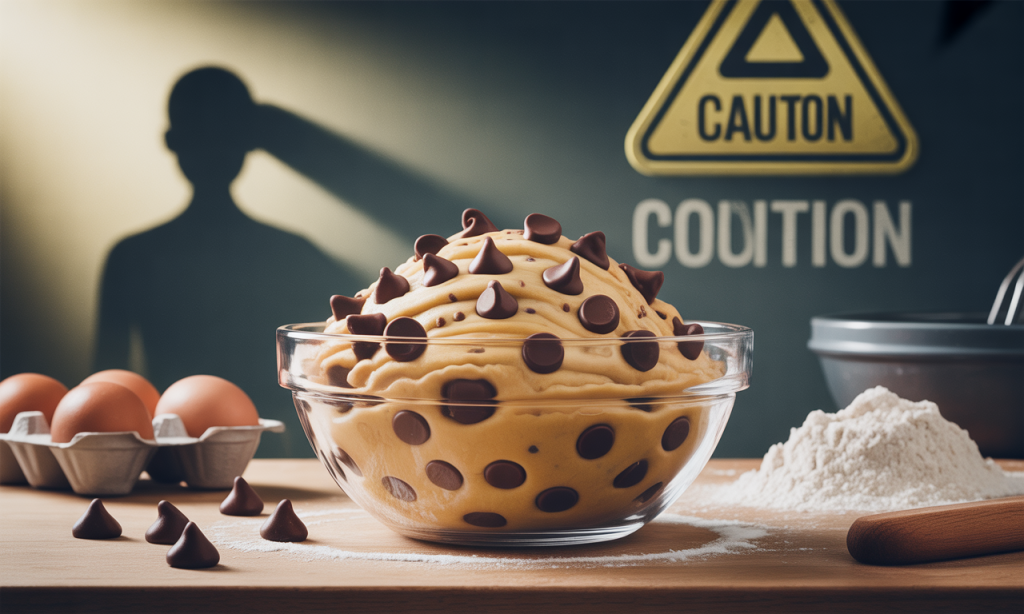
Raw cookie dough has long been a tempting indulgence for baking enthusiasts and dessert lovers alike. Its sweet, creamy texture sparks nostalgic memories while offering a unique taste experience. However, although delicious, raw cookie dough carries inherent food safety concerns that deserve careful attention. Recognizing the potential risks tied to raw eggs and untreated flour is crucial to safeguard health while still enjoying this familiar treat. Additionally, understanding which options on the market and homemade recipes can mitigate hazards without sacrificing flavor is vital for making informed decisions.
Understanding the Food Safety Risks of Eating Raw Cookie Dough
Consuming raw cookie dough poses significant health risks primarily because of two key ingredients: raw eggs and raw flour. Both can harbor harmful bacteria that are neutralized only through proper cooking.
First, raw eggs are known carriers of Salmonella, a bacterium that can cause serious food poisoning. Symptoms of Salmonella infection include nausea, vomiting, abdominal cramps, and diarrhea, which can last for several days. Vulnerable groups such as children, the elderly, pregnant women, and immunocompromised individuals face a higher likelihood of severe illness that might require medical intervention.
Equally concerning, untreated flour isn’t sterile. Flour is a raw agricultural product that can be contaminated with E. coli or Salmonella bacteria during harvesting or processing. These germs survive in dry environments and are not eliminated unless the flour undergoes heat treatment, which typical baking does not guarantee until the dough or batter reaches sufficiently high internal temperatures.
According to data from the Centers for Disease Control and Prevention (CDC), outbreaks linked to contaminated flour have affected multiple states, underscoring flour’s underestimated role as a vector for foodborne illness. Given that raw cookie dough often contains both raw eggs and untreated flour, the risk compounds substantially.
To illustrate these concerns, here is a comparison table highlighting the common pathogens associated with raw cookie dough ingredients:
| Ingredient 🍪 | Common Pathogen ⚠️ | Symptoms 🩺 | At-Risk Groups 👥 | Mitigation |
|---|---|---|---|---|
| Raw Eggs 🥚 | Salmonella | Nausea, vomiting, diarrhea, cramps | Children, elderly, pregnant, immune compromised | Use pasteurized eggs or cook fully |
| Raw Flour 🌾 | E. coli, Salmonella | Diarrhea, cramps, fever | Same as above | Use heat-treated flour or cook dough |
Given these risks, it’s no surprise why health experts advise against snacking on raw cookie dough straight from the mixing bowl. Baking to an internal temperature of at least 160°F (71°C) reliably eliminates harmful bacteria, making the final cookies safe to eat.
Despite this, the craving for raw dough persists, prompting innovation in both commercial and homemade alternatives designed to offer the taste and texture risk-free.

Identifying Safe-To-Eat Raw Cookie Dough Brands and Products
Given the popularity of raw cookie dough consumption, various food companies have developed products formulated specifically for safe raw eating. These commercial options typically incorporate heat-treated flour and pasteurized eggs or egg substitutes to minimize infection risk.
Familiar brands such as Nestlé, Pillsbury, Toll House, Ben & Jerry’s, Kraft, and Duncan Hines have introduced cookie dough lines labeled as “edible raw,” ensuring consumers know these products meet rigorous safety standards. For example, Betty Crocker and Ghirardelli also produce versions suitable for raw consumption, often marketed explicitly as ready-to-eat dough or batter. Crisco and Reddi-wip complement these offerings by providing safe baking mixes and toppings that harmonize well with safe cookie dough treats.
Consumers should look for clear indications on packaging such as “safe to eat raw,” “pasteurized eggs,” or “heat-treated flour” to confidently enjoy these products without health concerns. Many retailers and manufacturer websites provide detailed safety information and usage recommendations to ensure consumers understand the benefits and limits of their products.
Here are some practical tips to help identify and select trustworthy raw cookie dough options:
- ✅ Check for “heat-treated flour” mention on ingredient labels 📝
- ✅ Select dough made with pasteurized eggs or egg substitutes 🍳
- ✅ Avoid traditional cookie dough marketed for baking only ⚠️
- ✅ Purchase from reputable brands known for food safety compliance ✔️
- ✅ Validate safety claims via official websites or trusted food safety resources 🔍
Below is a summary table comparing common commercially available cookie dough brands safe for raw consumption:
| Brand 🍪 | Raw Flour Heat-Treated? 🔥 | Pasteurized Eggs or Egg-Free? 🥚 | Intended Use 📌 | Packaging Label Example |
|---|---|---|---|---|
| Nestlé Toll House | Yes | Yes | Raw and baked | “Safe to Eat Raw Dough” |
| Pillsbury | Yes | Pasteurized Egg or Egg-Free | Raw consumption and baking | “Ready to Eat Dough” |
| Ben & Jerry’s | Yes | Egg-Free | Raw consumption only | “Edible Cookie Dough” |
| Betty Crocker | Yes | Egg-Free or Pasteurized | Raw and baked | “Safe to Eat Dough” |
For full safety details, consulting trusted sources such as Eat and Geek and mainstream food safety websites is advised.
How to Prepare Edible Homemade Cookie Dough Safely
For baking enthusiasts who enjoy crafting their own treats, preparing raw cookie dough that can be safely eaten uncooked involves deliberate ingredient choices and extra care in preparation methods.
The critical modifications when making edible homemade cookie dough include substituting raw eggs with pasteurized eggs or omitting eggs altogether. Eggless recipes often rely on ingredients such as milk, yogurt, or applesauce to provide necessary moisture and binding, significantly lowering bacterial contamination risk.
Heat-treated flour, sometimes called “toasted” or “blanched” flour, is essential. Heat treatment can be done at home by baking the flour at 350°F (175°C) for about 5 minutes or microwaving it on high in short intervals while stirring. This process drastically reduces the risk of E. coli infection.
Equally important are food hygiene and prevention of cross-contamination during preparation. Thoroughly washing hands, washing utensils and bowls with hot soapy water, and avoiding contact between raw dough and ready-to-eat foods are necessary precautionary steps.
Below is a list summarizing recommended practices to ensure edible homemade cookie dough is both delicious and safe:
- 🔥 Use heat-treated flour only to kill pathogens
- 🥚 Replace raw eggs with pasteurized eggs, egg substitute, or no eggs
- 🧼 Maintain strict hygiene: wash hands and sanitize prep surfaces
- ⚠️ Avoid cross-contamination between raw dough and other foods
- ❄️ Store dough in the refrigerator and consume within a safe timeframe (typically 3-4 days)

When prepared correctly, homemade edible cookie dough can capture all the tempting qualities of the classic dessert without sacrificing safety. For step-by-step recipes and expert tips, resources like The Cooking Facts and Italian Chef are invaluable.
Balancing the Benefits and Drawbacks of Eating Raw Cookie Dough
The enjoyment of raw cookie dough involves more than just a craving; it’s a sensory experience that connects to memories and comfort. But balancing pleasure versus risk is crucial.
Benefits of indulging in raw cookie dough include:
- 🍫 Flavor and texture: The creamy richness and sweet taste are unlike any baked cookie.
- 🧁 Instant gratification: No waiting for baking and cooling.
- 👩🍳 Creative versatility: Customizing raw dough allows experimentation with mix-ins like chocolate chips, nuts, or spices.
However, drawbacks must be acknowledged:
- ⚠️ Health risks: Potential exposure to pathogenic bacteria from raw eggs and flour can cause foodborne illnesses.
- ⏳ Short shelf life: Raw dough spoils quickly if not stored properly, increasing risk of contamination.
- 🔬 Misleading safety perceptions: Many consumers underestimate threats associated with raw flour compared to raw egg.
Consumers should carefully weigh these pros and cons when deciding whether to consume raw cookie dough in various settings. School cookouts, picnics, or gatherings with vulnerable individuals may not be appropriate occasions for raw dough consumption.
One practical approach is to reserve raw cookie dough indulgence for commercially prepared or homemade edible versions specifically designed to be safe, minimizing health risks while preserving the joy of the experience.
For comprehensive understanding and advice on the health aspects of eating raw dough, reliable sources include Healthline and CNN Health.
Essential Tips for Handling and Enjoying Cookie Dough Safely at Home
Even with the rise of safer cookie dough products, many home bakers continue to prepare classic dough recipes. Adopting safety-conscious habits during baking and consumption is vital to avoid foodborne illnesses.
Key recommendations for handling cookie dough include:
- 🧴 Use separate utensils and cutting boards to prevent cross-contamination.
- 🧼 Wash hands thoroughly after handling raw dough.
- 🌡️ Bake cookies until golden brown and shiny appearance disappears, signaling an internal temperature above 160°F (71°C).
- ❄️ Store leftover dough only briefly in refrigeration and avoid freezing raw dough unless specified by recipe.
- 📅 Consume dough and cookies promptly to prevent spoilage.
Households with children, the elderly, or immunocompromised members should take particular precautions. It’s advisable to avoid serving raw dough directly to these individuals unless the dough has been confirmed safe-to-eat by manufacturers or prepared following safety guidelines.
Here is a quick safety checklist that can be used as a daily reminder in the kitchen:
| Safety Step ✅ | Why Important? ❗ | Best Practices 🛠️ |
|---|---|---|
| Use Heat-Treated Flour | Prevents E. coli contamination | Bake or microwave flour before mixing dough |
| Use Pasteurized Eggs or Egg Substitutes | Eliminates Salmonella risk | Buy pasteurized eggs or replace with yogurt/applesauce |
| Maintain Cleanliness | Reduces cross-contamination | Wash hands, utensils, work surfaces thoroughly |
| Bake to Proper Temperature | Kills pathogens in baked goods | Ensure cookies reach 160°F (71°C) internally |
| Proper Storage | Preserves freshness and safety | Refrigerate dough promptly, consume quickly |
Educating all household members about these measures can significantly reduce risks. In 2025, with increasing consumer awareness and availability of safe products, foodborne illnesses from raw cookie dough should decline if these recommendations are followed reliably.
Frequently Asked Questions About Eating Raw Cookie Dough
- Is it ever completely safe to eat raw cookie dough?
The safest options are commercially made cookie doughs labeled as safe to eat raw, or homemade versions made with heat-treated flour and pasteurized eggs. Traditional dough containing raw eggs and untreated flour always poses some risk. - Can raw flour cause food poisoning?
Yes, raw flour can harbor bacteria like E. coli and Salmonella, which can cause illness if consumed without heat treatment. - What are the symptoms of food poisoning from eating raw cookie dough?
Common symptoms include nausea, vomiting, diarrhea, stomach cramps, and fever. Severity varies based on individual health and exposure levels. - Are there specific brands recommended for safe raw cookie dough in stores?
Brands like Nestlé Toll House, Pillsbury, Ben & Jerry’s edible dough lines, Betty Crocker, and Duncan Hines offer cookies and dough products formulated for safe raw consumption. Always check packaging for safety claims. - How can I make raw cookie dough safe at home?
Use heat-treated flour, substitute raw eggs with pasteurized options or omit them, maintain good hygiene, and consume or store dough properly.